

BOE, the big Chinese display maker (you might know them from panels in phones, laptops, and TVs), just put out what they're calling the world's first official standard for "natural light" displays. It dropped on February 6, 2026, and it's basically a set of rules for measuring how well a screen copies the good parts of real sunlight so your eyes don't get wrecked after staring at it all day.
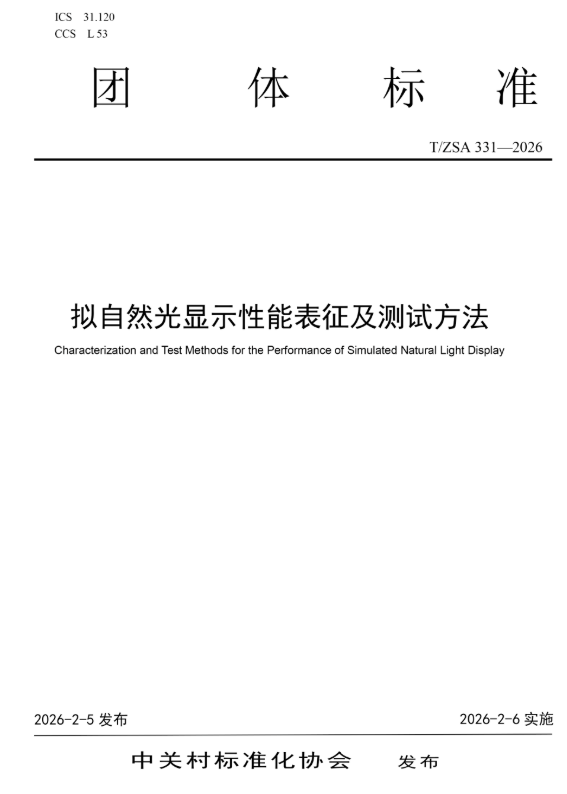
The standard is called Characterization and Test Methods for Quasi-Natural Light Display Performance (T/ZSA 331-2026). BOE led the project with a bunch of partners from industry, universities, and research groups.
Why does this matter? Screen time is insane these days-phones, computers, tablets-and a lot of people deal with dry eyes, headaches, or just feeling tired from looking at screens. The old focus was mostly "make it sharp and bright." Now companies like BOE are pushing toward "make it actually comfortable and less bad for your eyes long-term."
What "natural light" display actually means here
They based it on how our eyes evolved under sunlight for millions of years. Instead of just blocking bad stuff (like too much blue light), the idea is to rebuild the screen light to match sunlight's helpful traits in four main ways:
Spectrum tweaks - Cut down on the harsh blue light that messes with sleep and eyes, but keep or boost helpful reds and even some infrared that might help blood flow in the eyes or keep your body clock normal.
Polarization fix - Most screens shoot out super-polarized light (like laser-straight), which can dry out your eyes. They want to scatter it more like real daylight so it's softer and less directional.
Light shape and glare control - Make the light spread evenly, kill reflections and harsh spots, so it feels more like reading on paper-low dazzle, good from any angle.
Adapting over time - The screen changes brightness, color warmth, etc., based on the room or time of day, without annoying flicker, to match natural light cycles.
They defined 17 specific things to measure and how to test them. Some are recycled from older methods, but they added new ones for stuff like red/infrared levels, low-glare checks, and sensors built into the screen. Basically, it turns "feels nice to look at" into numbers anyone can test the same way.
What's the bigger deal?
BOE hopes this pushes the whole industry to think more about eye health instead of just cranking up pixels and refresh rates. It gives everyone a common way to talk about and compare "healthy" screens, so consumers can pick better without relying only on ads, and companies can innovate together more easily.
They're tying it into their bigger plan called "Screen of Things," where displays connect and adapt more smartly. Expect more products down the line that use these ideas, and maybe other brands will follow or build on the standard.
It's still early-it's a group standard, not some global law-but it's a sign the display world is starting to care more about not ruining everyone's eyesight. If you've been complaining about eye strain from your monitor or phone, stuff like this might eventually make a real difference.
What do you think-would you pay extra for a screen certified as "natural light" friendly? Or is it mostly marketing hype?


