

Right now, in the early days of China's latest five-year plan (the 15th one, running from 2026–2030), the big focus is on using tech innovation to drive better growth. One area that's changing fast is screens-the displays in phones, laptops, cars, TVs, you name it.
For a long time, companies competed mostly on numbers: higher resolution, faster refresh rates, brighter panels, etc. But lately, the real question people care about is shifting to: "Does this screen actually look and feel good to use? Is it easy on the eyes? Does it feel natural?"
Chinese display giant BOE (also called Jingdongfang or Beijing Oriental Electronics) just took a big step here. They helped create and release two brand-new industry standards that are world firsts:
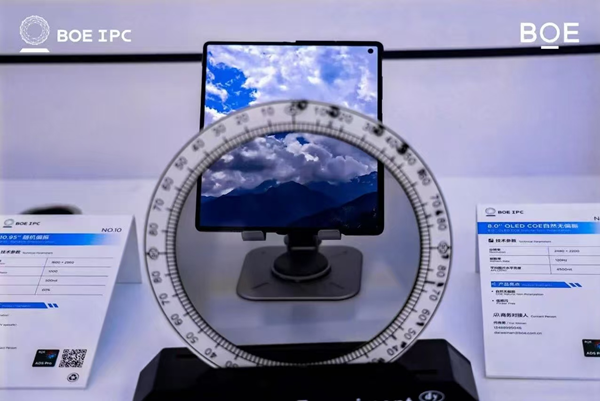
A way to measure "clarity" or "transparency feel" on OLED screens (the fancy, flexible ones used in foldable phones and high-end laptops). → The standard breaks it down into four clear, measurable things: color quality, sense of depth/layers, sharpness, and how well it handles motion/dynamic range. Basically, it turns that vague "this screen looks so clear and vibrant" feeling into numbers everyone can test and compare.
The world's first "natural light" display standard (officially called T/ZSA 331-2026). → This one tries to make screens act more like real sunlight-so they're healthier and more comfortable for your eyes over long periods. It looks at things like the light spectrum, how polarized the light is, the overall "shape" of the light, and how it changes over time. It includes 17 specific tests to make "eye-friendly" something you can actually prove, not just claim.
Why does this matter? Screens are everywhere-in our pockets, on our desks, in cars, even in hospitals. But until now, there wasn't really a solid, agreed-upon way to judge if a screen is truly "good" for real human eyes and comfort. Engineers had tons of lab specs, but users just felt things subjectively. These standards build a bridge: science that matches what normal people actually experience.
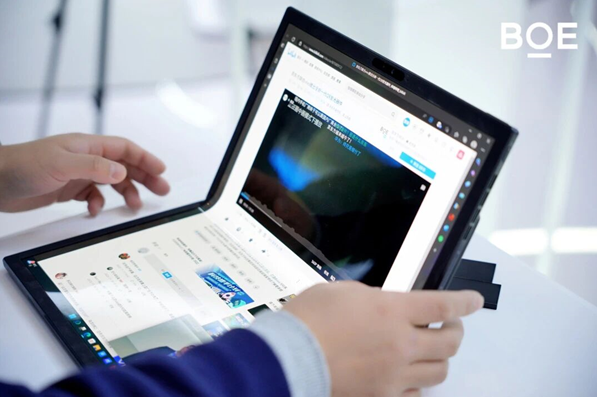
BOE isn't just talking about it-they've already shipped more than 500 million flexible OLED panels worldwide (they're #2 globally in that area) and helped shape around 430 display standards over the years. So when they say "pick BOE for a great screen," it's moving from a marketing line to something backed by objective rules the whole industry can use.
For regular buyers, this could mean:
- When shopping for a new foldable phone or premium laptop, you can look for screens that actually pass these clarity or natural-light tests-instead of just believing flashy ads.
- It pushes companies to focus more on real user comfort (less eye strain, more natural colors) rather than just cranking up numbers.
For the bigger picture, it's a sign that Chinese companies like BOE are starting to lead not just by making lots of panels cheaply, but by helping define what "high-quality" even means globally. The industry is moving from "who has the biggest numbers" to "who makes the best experience."
Cool move by BOE-and it might quietly make our daily screens a bit nicer to stare at for hours. What do you think-do you notice when a screen feels more "natural" or easier on your eyes?


