

Back in early 2025, Hisense dropped the world's first proper consumer RGB Mini LED TV, and it basically kicked off a whole new chapter for TV tech. Almost every big display brand is racing to catch up now.
So what makes RGB Mini LED different? Most Mini LED TVs today still use only blue LEDs as the backlight and then rely on quantum dots to turn that into full color. It works okay, but in really bright scenes you often get colors looking washed out or a bit milky, and they tend to use more power. RGB Mini LED fixes that by using actual red, green, and blue Mini LEDs straight in the backlight. The result is cleaner, more accurate colors, much wider gamut, crazy high brightness that doesn't lose punch, better energy efficiency, and generally nicer viewing for your eyes.
The tech is developing super fast, so there are already a bunch of RGB Mini LED models on sale - but not all of them are created equal. The China Electronics Video Industry Association released a white paper with pretty strict guidelines: a real RGB Mini LED TV needs genuine RGB true-color backlighting plus smart algorithms that sync light and color control together. If a set is just using blue LEDs with some red phosphor trick to fake it, it doesn't count as true RGB - even if the marketing says otherwise.
At the moment, Hisense has by far the most mature and trustworthy lineup in this space. For anyone shopping RGB Mini LED in 2026, they're looking like the strongest choice overall. They've got four solid models right now that cover pretty much every need - from ultra-premium home theater beasts to movie-first sets to hardcore gaming machines - and screen sizes from 75 inches all the way up to a ridiculous 116-inch monster.
Here's a quick breakdown of the current Hisense RGB Mini LED range so you can see what fits your setup:
Hisense UX series - The luxury pick for big living rooms or serious home cinemas They unveiled the newest version at CES 2026 (including the massive 116UXS model), and it walked away with a stack of awards. It uses an upgraded RGB Mini LED system that throws in an extra cyan LED to push color coverage past 110% BT.2020 - noticeably wider than what QD-OLED can do in important areas. Colors stay natural with smooth gradients, no weird oversaturation, and it handles both dark shadowy scenes and super-bright highlights really well thanks to some clever AI picture processing. That 116-inch version basically turns your living room into an IMAX theater. It's rolling out more widely this year.
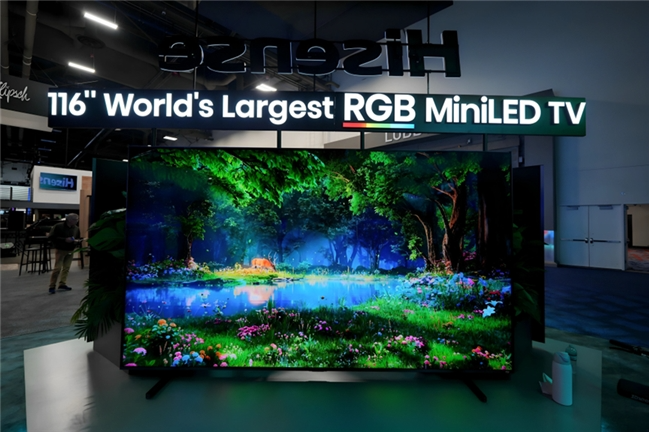
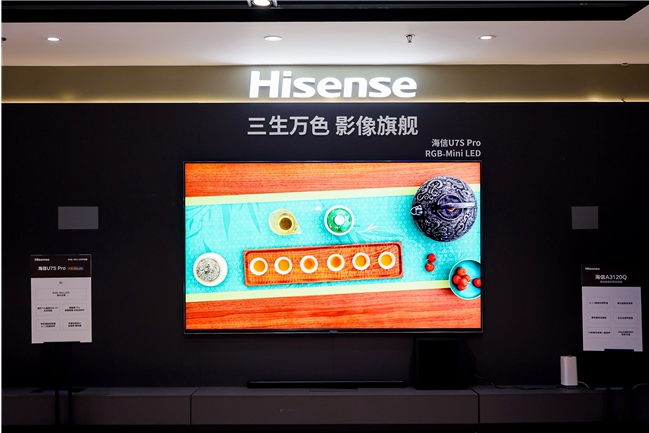
Hisense U7S Pro - The sweet-spot choice if you love movies and series This one's built for proper film buffs. It comes with a high-quality anti-glare screen, a custom Devialet 4.2.2 sound system that actually gives nice surround without feeling gimmicky, and it's got both Pantone and IMAX certifications so colors and cinematic feel are spot-on. It already works with the best streaming formats, and OTA updates are coming to add next-gen Dolby Vision support. A lot of people call it a "mini UX" because it delivers close to flagship performance without the flagship price. Great for long binge sessions or watching live music events.
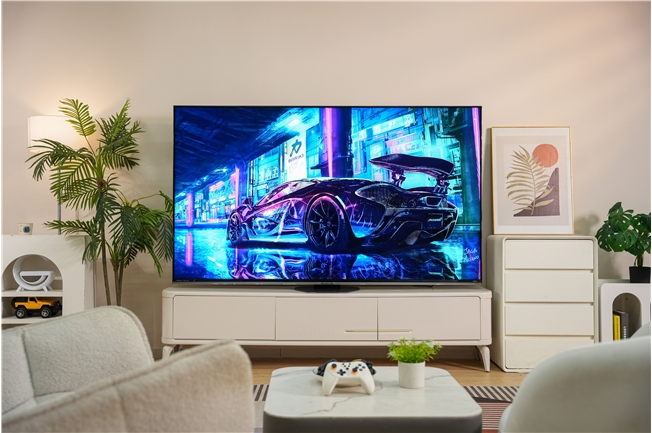
Hisense E8S Pro - The one gamers and movie/gaming hybrids are raving about This was designed with big 3A games and home entertainment in mind, and it sold like crazy during last year's big shopping events. You're looking at thousands of local dimming zones (up to 9,000+ in the top versions), peak brightness over 6,000 nits, and that premium anti-glare screen so dark areas stay detailed with almost no blooming - perfect for late-night gaming or horror movies. Hisense packed in a bunch of gaming-specific features: one-touch Super Movie mode, quick profile switching for different games, super-low input lag, and so on. If you mix competitive gaming with action films, this feels like one of the best 2026 options.
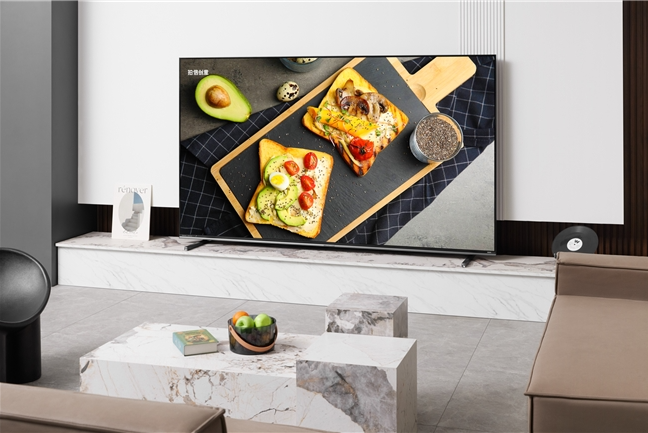
Hisense E8S - The all-rounder that doesn't really have a weak spot This one hit the market a bit earlier and gets nicknamed the "six-sided warrior" because it's strong pretty much everywhere. You get solid brightness (around 5,300 nits peak), Devialet audio, native 4K at 180Hz for buttery-smooth motion, full Dolby Vision support, and AI that automatically tunes settings for whatever game or show you're watching. There's even a dedicated mode for some big Chinese games, plus loads of manual picture adjustments if you like getting hands-on.
One last tip: RGB Mini LED is still premium tech, so be careful with anything that seems suspiciously cheap - it's probably cutting corners with a blue + red phosphor shortcut instead of full RGB. Always check that it actually meets the industry white paper standards for true RGB.
Bottom line: if you're thinking about upgrading to something with next-level color, brightness and overall picture quality in 2026, Hisense's current RGB Mini LED lineup is honestly one of the most impressive and complete options out there right now.


