

If you've ever stared at a screen and noticed a strange glowing patch that refuses to disappear no matter what image is displayed, you're dealing with LCD bright spots. These annoying defects show up across all kinds of displays - laptops, industrial control panels, medical monitors, outdoor kiosks, you name it. In my experience, they almost always signal that something went wrong somewhere in the design, manufacturing, or assembly process.
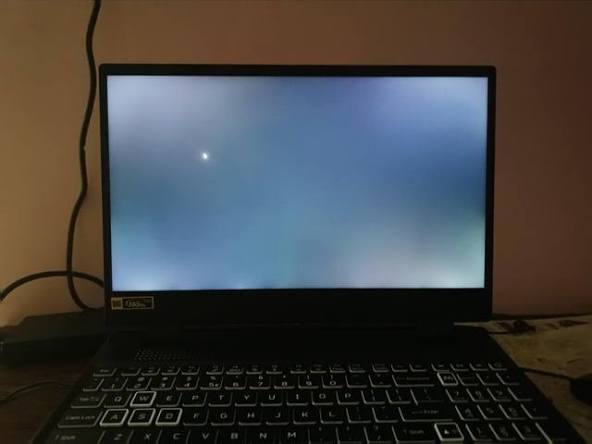
Here's a straightforward, no-nonsense guide that explains exactly what LCD bright spots are, the most common LCD bright spot causes, how to detect them early, and most importantly, practical ways to prevent them so they don't derail your product quality or project schedule.
What Exactly Are Bright Spots on an LCD Screen?
In simple terms, bright spots on an LCD screen are localized areas that appear noticeably brighter than the surrounding parts of the display.
They don't react to the content on screen - they just stay lit up, creating an obvious distraction. This kind of issue doesn't only hurt the visual appearance; it can also affect long-term reliability, especially in demanding applications like medical equipment or industrial HMIs where clarity and consistency really matter.
The Main Types of LCD Bright Spots
Not all bright spots look or behave the same. From what we've seen over the years working with customers, they usually fall into one of these categories:

- Single-Pixel Bright Spots (Hot Pixels)
These are small, permanent bright dots that remain lit even when the rest of the screen is dark. They're a classic pixel-level defect and can be particularly frustrating in precision work such as medical imaging or quality inspection systems.
- Localized Bright Patches
These appear as larger, foggy or cloudy glowing areas. They often happen when the backlight diffuser sheet moves slightly out of alignment, allowing extra light to leak through one specific region and create a visible white patch.
- Backlight Hotspots
When individual LEDs in the backlight have inconsistent brightness - due to manufacturing variation, uneven aging, or heat buildup - you end up with dot-like or block-shaped bright spots across the screen.
How LCD Bright Spots Differ from Other Common Defects
It's easy to confuse LCD bright spots with similar-looking problems, so here's a quick comparison:
- Bright Spots vs. Dead Pixels: Dead pixels stay completely black and never light up. In contrast, LCD bright spots (also known as hot or stuck pixels) remain permanently on and appear white or brightly lit.
- LCD Mura vs. Bright Spots: Mura shows up as gradual, cloudy unevenness across larger areas of the screen. LCD bright spots tend to be more localized with sharper contrast, making them stand out more noticeably.
- Bright Spots vs. Pressure Spots: Pressure spots are a specific type of bright spot caused by physical force applied to the panel. Even brief pressure can misalign the liquid crystal layers, and the defect sometimes doesn't appear until hours or days later.
Common LCD Bright Spot Causes
LCD bright spots rarely happen by chance. After handling hundreds of projects, we've found the root causes usually fall into these main areas:

- TFT Pixel Driver Failures
A frequent source of TFT LCD bright spot defect is problems with the thin-film transistors that control each pixel. Dust contamination, static electricity (ESD damage), or poor process control during manufacturing can cause a pixel to get stuck in the "on" state. Factories without strong ESD protection see this issue far more often.
- Backlight System Issues
Since LCD panels don't generate their own light, any inconsistency in the backlight quickly becomes visible. Scratches, dust, or deformation on the light guide plate, wrinkles or improper installation of diffuser and brightness films, or uneven LED performance can all trigger LCD white spots problems. In industrial environments that run 24/7, high temperatures and long duty cycles accelerate LED aging and make small variations turn into obvious hotspots.
- Mechanical Stress and Assembly Problems
Uneven pressure during module assembly is a surprisingly common culprit. If screws are over-tightened, the bezel doesn't distribute force evenly, or the flexible printed circuit (FPC) routing puts stress on the panel, you can end up with light leakage or cell gap distortion that shows up as bright spots - sometimes only after the product has been in the field for months.
- Manufacturing Process Defects
Contamination during liquid crystal filling, air bubbles trapped in optical clear adhesive (OCA) bonding, uneven sealant application, or lapses in cleanroom conditions can all introduce TFT LCD bright spot defects. High-volume production demands extremely tight process controls at every step to keep defect rates low.
How LCD Bright Spots Are Detected
Reliable manufacturers combine two approaches:

- Trained inspectors manually examine panels under controlled lighting using full-white, full-black, and color test patterns.
- Automated Optical Inspection (AOI) systems that use cameras and algorithms to flag any brightness deviations automatically. AOI is especially valuable because it catches subtle defects that human eyes might miss in high-volume runs.
Industry standards such as ISO 13406 and ISO 9241-307 define acceptable pixel defect levels for general use, but many medical, aviation, and industrial projects require zero bright spot tolerance and stricter custom criteria.
How to Prevent Bright Spots on LCD - The Smart Way
Here's the hard truth: once a real LCD bright spot appears on a finished panel, fixing it is difficult and often impossible without replacing the entire module. Minor diffuser misalignment from pressure might improve slightly with gentle tapping or lowering screen brightness, but structural or pixel-level damage usually means a full replacement.
That's why the only effective solution is prevention, and the best time to act is during the design and specification stage.
Key steps for how to prevent bright spots on LCD include:
- Carefully selecting and binning LEDs for uniform backlight performance
- Using high-quality optical films and optimizing light guide plate design
- Designing mechanical housings that distribute clamping force evenly and minimize stress on the LCD cell
- Maintaining strict cleanroom protocols and using AOI inspection throughout production
Why Choosing Custom LCD Design Makes a Real Difference
Standard off-the-shelf panels are convenient, but their quality can vary from batch to batch, and you have limited control over defect prevention. This is where working with a specialized custom LCD manufacturer like Minghua Display really pays off.

At Minghua Display, we don't just sell standard modules - we engineer display solutions tailored to your exact reliability needs. From the beginning of the project, we focus on backlight uniformity optimization, anti-stress mechanical structures, industrial-grade low-defect panel selection, and project-specific acceptance standards. Our AOI-based bright spot inspection and strict process controls help dramatically reduce the risk of LCD white spots problems and TFT LCD bright spot defects.
Many of our customers in industrial automation, medical equipment, and outdoor applications have switched to custom solutions after experiencing repeated field failures with generic panels. The result? Significantly lower warranty claims and much more stable production batches.
The Business Impact of Ignoring LCD Bright Spots
These defects are more than just cosmetic. In consumer products they drive returns and bad reviews. In professional equipment they can compromise functionality and erode customer trust. Warranty repairs for small to medium LCD modules typically cost between $100 and $300 each, and repeated field issues in long-lifecycle industrial systems can become very expensive very quickly.
How to Evaluate an LCD Supplier Effectively
When qualifying suppliers, skip the vague "good quality" answers and ask specific questions:
- Do you have a documented bright spot control standard and rejection criteria?
- Can you support zero-bright-dot grades for high-reliability projects?
- Do you provide detailed panel inspection reports with every shipment?
- What is your cleanroom classification for module assembly?
- Do you offer failure analysis support when issues appear in the field?
Final Thoughts
LCD bright spots may look like a small issue on the surface, but they usually reveal deeper problems in design, assembly, or manufacturing control. By understanding the real LCD bright spot causes and taking action early - especially through thoughtful mechanical design and rigorous process discipline - you can avoid costly headaches later.


If you're developing industrial, medical, or any high-reliability display product and want to minimize the risk of LCD bright spots, I strongly recommend considering a custom approach. At Minghua Display, we've helped many customers move from reactive defect management to proactive, built-in reliability. Feel free to reach out - we're happy to review your requirements and show how a tailored LCD solution can improve both performance and long-term cost.
By addressing how to prevent bright spots on LCD from the very beginning of your project, you'll deliver more reliable products, reduce warranty exposure, and keep your customers satisfied for years to come.


