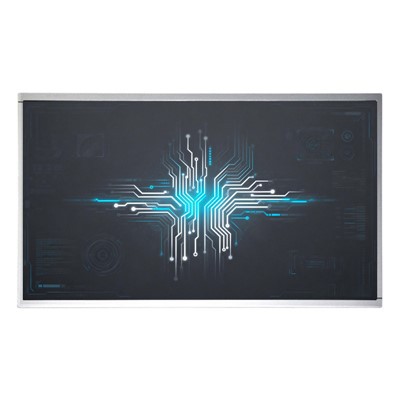
Hey everyone! Welcome to the MingHua Display blog. We're wrapping up 2025 and looking ahead - and if there's one thing that's crystal clear right now, it's that high brightness LCD (also called sunlight readable LCD or high brightness display) has officially moved from "nice upgrade" to "absolute must-have" in many tough environments.
Standard screens at 300–500 nits? They look great indoors, but the second you take them outside or into a brightly lit factory, everything washes out. Text vanishes, colors fade, and people end up squinting or shielding the screen with their hand. Not great for safety, productivity, or customer experience.
In 2026, real high brightness LCD solutions commonly hit 1000–2500 nits (and we can customize even higher, up to 3000+ nits when needed). Combined with optical bonding, anti-glare coatings, wide temperature range, and smart auto-dimming, these displays stay sharp and readable no matter how brutal the lighting gets.
Let's walk through the 7 key industries where high brightness LCD has become essential - with real-world reasons and plenty of photos to show you exactly what we're talking about.
Outdoor Digital Signage & Advertising Kiosks - If It Can't Be Seen in Sunlight, Why Bother?
This is the classic case. Digital billboards, bus stop info displays, drive-thru menus, shopping mall kiosks, tourist information boards - all of them live in direct sunlight for hours every day. Ambient light easily reaches 50,000–100,000 lux, while normal screens top out at around 400 nits. The result? Your expensive ad or important message turns into a shiny black mirror.
Modern high brightness outdoor LCD (1500–2500 nits) changes everything. Add optical bonding to eliminate internal reflections, AR/AG coatings to kill glare, and auto-brightness sensors that save power at night - suddenly your content is actually visible and eye-catching all day long.
We've heard from signage operators: Before, up to 50% of customer feedback was "can't read it during the day." After switching to sunlight readable high brightness LCD, complaints basically disappear and engagement goes up.
Here are some real outdoor digital signage installations captured in bright midday sun - look how sharp everything stays:

Automotive & Transportation - Dashboards and Passenger Displays Can't Afford to Fade
Cars, trucks, buses, trains, even electric scooters - screens are everywhere: instrument clusters, navigation, rear-seat entertainment, passenger information panels. Sunlight pours through windshields, especially in convertibles or during summer drives.
Regular automotive displays might reach 500–700 nits, but for true reliability (especially in commercial fleets or off-road vehicles), high brightness automotive LCD at 1000–1500+ nits is now the standard. It keeps critical info like speed, warnings, and maps perfectly visible without distracting the driver.

These displays also usually feature wide temperature range (-30°C to +85°C), vibration resistance, and wide viewing angles. Fleet operators tell us: After upgrading, drivers report much fewer "I couldn't see the alert" moments.
Industrial HMI & Factory Control Panels - Bright Lights, Reflective Surfaces, No More Squinting
Factories, warehouses, assembly lines - powerful overhead lighting, skylights, shiny metal machines everywhere. Operators stare at HMI screens for 8–12 hours monitoring machines, alarms, production stats. A washed-out display means missed warnings, wrong inputs, and costly downtime.
High brightness industrial LCD (typically 1000–2000 nits) with optical bonding, IP65/IP66 protection, wide temp range, and shock/vibration resistance is quickly becoming the default for serious HMI applications. Many even support glove operation.
Real feedback from automation teams: Switching to high brightness HMI displays noticeably reduces eye strain, speeds up alarm response, and cuts operator errors by 20–35% in some cases.
Check out these factory-floor examples - bright environments, but the screens stay razor sharp:
Marine & Harsh Outdoor Environments - Boats, Ports, Offshore Platforms
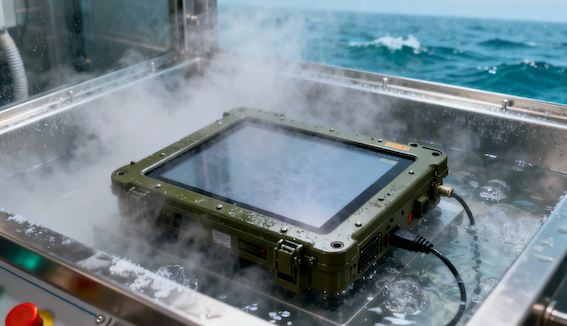
Salt spray, relentless vibration, huge temperature swings, and blinding sunlight on open water. Marine navigation, radar, engine monitoring, and control systems have zero room for error.
High brightness marine LCD (1500–2500 nits) comes with IP67+ sealing, anti-corrosion treatments, transflective technology (uses ambient light to boost visibility), and often meets tough IEC 60945 marine standards.
For commercial fishing boats, yachts, offshore rigs, or port equipment - a washed-out screen simply isn't acceptable.
Agriculture Machinery - Tractors, Harvesters, Precision Farming in Full Sun
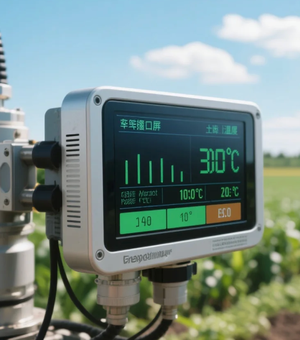
Modern farming is high-tech: GPS guidance, yield mapping, drone control, auto-steering - all on cabin screens. But fields mean direct sunlight, dust, rough terrain, and big temperature changes from dawn to dusk.
High brightness agriculture LCD needs 1000+ nits, glove-friendly touch, rugged anti-vibration design, and wide temp performance. Equipment makers are making these standard on premium models because better visibility = more accurate work and higher productivity.
Medical Portable & Field Devices - When Every Second Counts in Any Light

Portable ultrasounds, patient monitors, emergency diagnostic tools - sometimes used in ambulances, disaster zones, or outdoor field hospitals where lighting flips from dark to blazing bright.
High brightness medical LCD ensures doctors and paramedics can read critical data clearly at any time. These often combine high contrast, accurate color reproduction, and strict medical certifications.
In life-critical situations, a faded screen isn't just inconvenient - it can be dangerous.
Retail Window Displays & Semi-Outdoor Installations - Grab Attention All Day Long
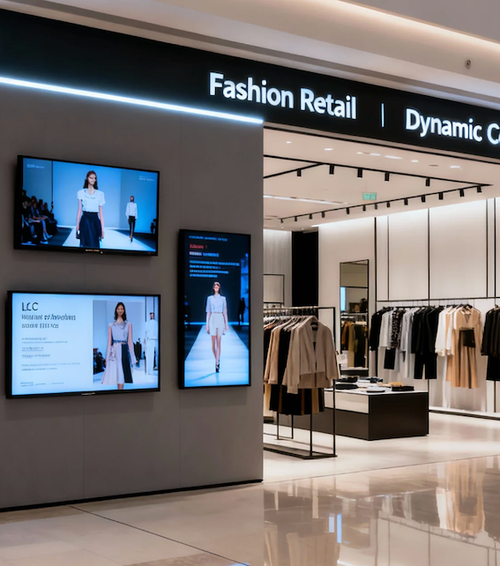
Storefront windows, semi-outdoor malls, cafes with big glass fronts - these screens battle direct sun for part of the day while needing to look vibrant at night too.
High brightness retail LCD (1200–2000 nits) with slim profiles, long backlight life, and auto-dimming keeps menus, promotions, and ads sharp and inviting 24/7. Retailers see much better customer engagement when the display is actually readable.
Final Thoughts: Is High Brightness LCD Essential for Your Application in 2026?
The bottom line? As more devices move into bright, harsh, or outdoor environments, high brightness LCD is no longer a luxury - it's what keeps things safe, efficient, and user-friendly.
At MingHua Display, we specialize in custom high brightness wide temperature industrial LCD - 1000 to 3000+ nits, any size, any interface, touch options, optical bonding, you name it. Fast lead times, solid reliability, and engineers who actually listen.
Struggling with washed-out screens in your current project? Leave a comment or drop us a message - we'd love to help find the perfect sunlight readable high brightness LCD solution for you.
Let's make sure your displays stay visible - rain, shine, or full midday glare.