

Hey everyone, it's January 2026, and if you're in industrial automation, medical equipment, factory HMIs, or any tough-environment setup, picking the right display tech is more important than ever. We're talking TFT-LCD, OLED, and the shiny new kid on the block, MicroLED.
These three technologies are battling it out for dominance in industrial applications, where you need rock-solid performance, long-term availability, and no nasty surprises after years of 24/7 operation.
Today, let's break it down honestly – the good, the bad, and the "still too expensive" – so you can decide what's best for your next project.
Here's a quick side-by-side comparison of the three major display technologies that manufacturers are pushing in 2026:

TFT-LCD: The Reliable Workhorse That's Still King in Industrial Settings
Let's start with the old reliable: TFT-LCD (Thin-Film Transistor Liquid Crystal Display). This tech has been around forever, and that's exactly why it's still the go-to for most industrial panels in 2026.
Why? Maturity. TFT-LCD panels are produced on massive scales by giants like BOE, Innolux, and Tianma. Supply chains are super stable – you can count on 10+ years of availability for the same panel size and spec without sudden EOL notices that wreck your product lifecycle.
In harsh environments – think dusty factories, vibrating machinery, or outdoor kiosks – TFT-LCD shines. These panels handle wide temperature ranges (-30°C to +80°C or better with enhancements), high humidity, and shocks without breaking a sweat.
High-brightness TFT-LCD versions easily hit 1000–2500 nits, making them readable under direct sunlight. No washout issues like some self-emissive techs.
Sure, they need a backlight, so they're a bit thicker and use more power for dark scenes, but modern LED backlights and local dimming have closed the gap a lot.
Check out these real-world industrial TFT-LCD panels running tough control interfaces in factories and how they hold up in rugged, harsh environments:

OLED: Stunning Visuals... But Watch Out for That Burn-In Risk
OLED (Organic Light-Emitting Diode) looks incredible – perfect blacks, infinite contrast, super-thin designs, and vibrant colors. In consumer phones and TVs, it's everywhere. But in industrial scenarios? It's a riskier choice.
The big issue is OLED burn-in. Organic materials degrade unevenly when static images (like fixed icons, toolbars, or status indicators) stay on screen for long periods. In factories or control rooms where HMIs show the same dashboard 24/7, this is a real problem.
Even with 2026 improvements – pixel shifting, logo dimming, and better materials – burn-in still happens faster at high brightness or in always-on applications. Many industrial OLEDs stick to monochrome (yellow/amber) to minimize risk, but full-color? Not ideal for static UIs.
Lifespan is shorter too – typically 20,000–50,000 hours to half brightness vs TFT-LCD's 50,000–100,000+ hours.
Temperature sensitivity is another headache. OLED can struggle in extreme cold or heat without extra compensation.
Here's what OLED burn-in looks like up close after prolonged static use:

Bottom line: OLED is great for occasional-use industrial tablets or premium HMIs with dynamic content, but for always-on, mission-critical displays, the burn-in risk often outweighs the wow factor.
MicroLED: The Dream Tech That's Still Priced Like a Luxury Item
MicroLED is the future everyone talks about – inorganic LEDs tiny enough to make self-emissive pixels. No burn-in like OLED, insane brightness (5000+ nits possible), perfect blacks, super-long lifespan (100,000+ hours), and wide viewing angles.
In 2026, we're seeing more prototypes and even some commercial pushes – Tianma showed a 108-inch 4K MicroLED at CES with glass-based LTPS backplanes for better cost scaling.
But here's the catch: MicroLED costs are still sky-high. Mass transfer yields are improving, but for industrial volumes, it's 5–10x more expensive than TFT-LCD. Supply chains are immature – limited manufacturers, high defect rates, and no long-term guaranteed availability yet.
For large-format signage or premium automotive cockpits? Maybe. For standard industrial control panels or HMIs? Overkill and way too pricey.
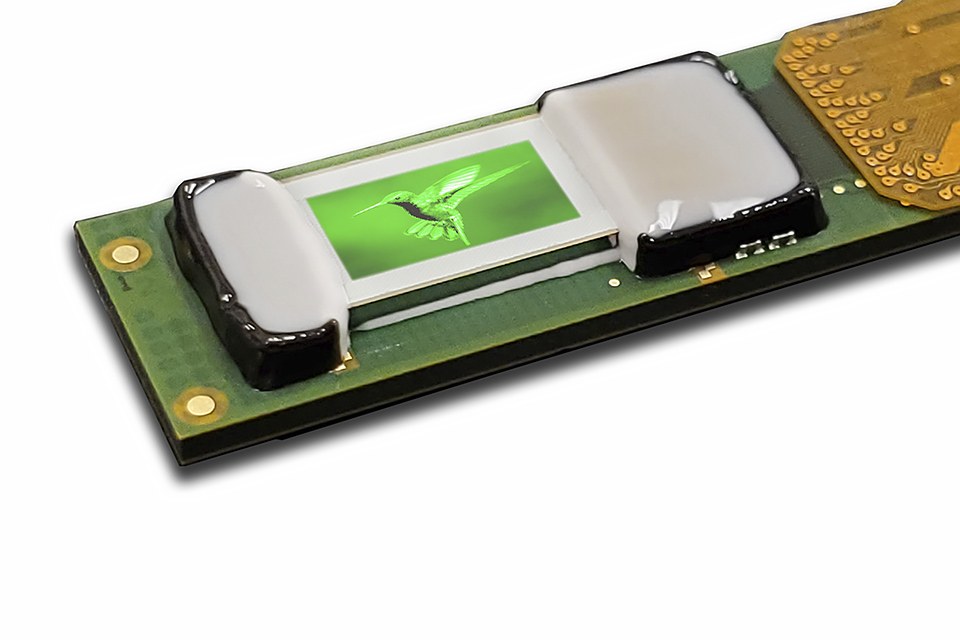
These high-res MicroLED modules show the potential for future industrial use:
Final Thoughts: What Should You Choose in 2026?
If your priority is long-term stability, cost-effectiveness, supply chain reliability, and proven performance in harsh conditions, TFT-LCD is still the clear winner for most industrial applications.
OLED brings premium visuals but demands careful design to avoid burn-in – best for dynamic, lower-duty-cycle uses.
MicroLED is the exciting future tech, but in 2026 it's more "coming soon" than "ready for mass production" in industrial volumes.
The industrial display world isn't about chasing the flashiest screen – it's about picking something that won't let you down after years of nonstop operation. TFT-LCD keeps winning that battle.
What do you think? Have you switched to OLED or MicroLED in any projects yet? Drop a comment below – I'd love to hear your experiences!


