

HSBC just put out a pretty bullish note on smart glasses, saying the whole market could hit $200 billion by 2040. That's about a third bigger than what they were thinking before.
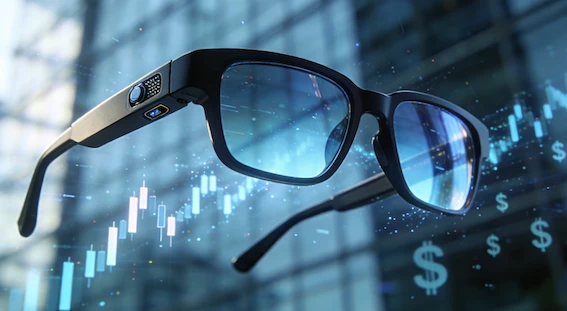
The main reason for the upgrade? The Ray-Ban Meta glasses (the ones EssilorLuxottica makes with Meta) are actually selling really well right out of the gate. HSBC's analysts, led by Anne-Laure Bismuth, bumped up their long-term view because of that early momentum.
They now expect the number of people using smart glasses to explode-from around 15 million users in 2025 to 289 million by the end of the 2030s. That's more than 18 times growth in just over a decade.
For EssilorLuxottica specifically, HSBC is forecasting way higher shipment numbers: 35 million units in 2030 (up from their old 18 million estimate) and 57 million in 2040 (previously 48 million). Even so, they think the company will still hold roughly 20% of the market by then, even as more competition shows up.
Right now, EssilorLuxottica basically dominates smart glasses with about 70% share, thanks to their control over manufacturing, distribution, and big brands like Ray-Ban, Oakley, etc. The Ray-Ban Meta line has been the big winner-sales more than tripled in parts of 2025, and they've already sold over 2 million pairs since launching a couple years back.
Demand is so strong that Meta and EssilorLuxottica are reportedly talking about doubling production capacity-potentially pushing annual output to 20 million units or more by the end of 2026 (they were already planning for 10 million).
HSBC points out that more big players jumping in-like Apple, Samsung, or Amazon, who might launch their own versions in 2026 or 2027-should actually help the category grow faster overall. More competition means more investment in tech (better AI, displays, health features, etc.), which pushes the market toward that "must-have" tipping point.
Because of all this, HSBC upgraded EssilorLuxottica stock from Hold to Buy (after holding that neutral view for almost two years) and raised their price target. They kept a Buy on Meta too, figuring it'll be a key player in the "computing" side of smart glasses, pairing solid hardware with its AI stuff.
Bottom line: HSBC sees smart glasses moving way beyond just cool accessories. They could become the next big everyday device after phones-handling AI help, quick photos/videos, navigation, maybe even some health tracking-all while looking like regular glasses. If the Ray-Ban Meta success keeps rolling, this whole space might turn into one of the hottest consumer tech stories over the next 10–15 years.


