

German researchers have just pulled off something pretty impressive in the world of tiny displays: a super-bright, low-power red Micro OLED that hits a whopping 35,000 cd/m² (that's nits) without guzzling energy.
The team at Fraunhofer IPMS (the Photonic Microsystems folks in Germany) announced this breakthrough back in February. It's a monochrome red OLED microdisplay, built on their usual silicon-backplane CMOS setup, with a resolution around 320x240 pixels in the prototypes they've shown.
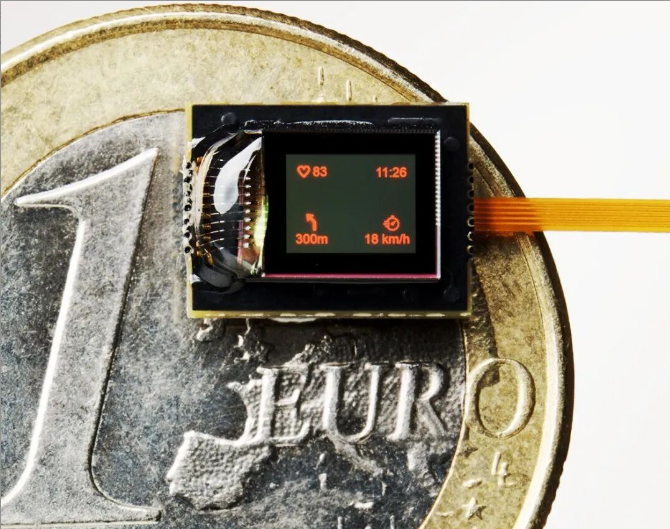
What makes it stand out is the combo of crazy high brightness-enough to stay readable in bright daylight for AR glasses or helmet displays-while keeping power use way down. Uwe Vogel, who heads up their microdisplays and sensors division, said it hits that 35,000 cd/m² mark but stays super efficient.
The secret sauce? A new OLED stack with high-efficiency materials that finally cracked the long-standing problem of getting red OLEDs really bright (red has always been the weak link compared to green or blue in these tiny emissive displays). They also use an ultra-low-power trick: instead of refreshing the whole screen every frame, the system only updates the pixels that actually change. That saves a ton of energy, especially for things like HUDs or data glasses where most of the image stays static.
This builds on their earlier work-like a green version that hit insane levels (over 70k nits or even 200k in stacks)-but red was the missing piece for full-color potential down the line or specialized apps that need strong red output.
The first public showing of these results is happening right now-ish at the SID Mid-Europe Conference in Lisbon (March 16-17, themed around augmented vision for defense stuff), so if you're there, that's where it'll debut properly.
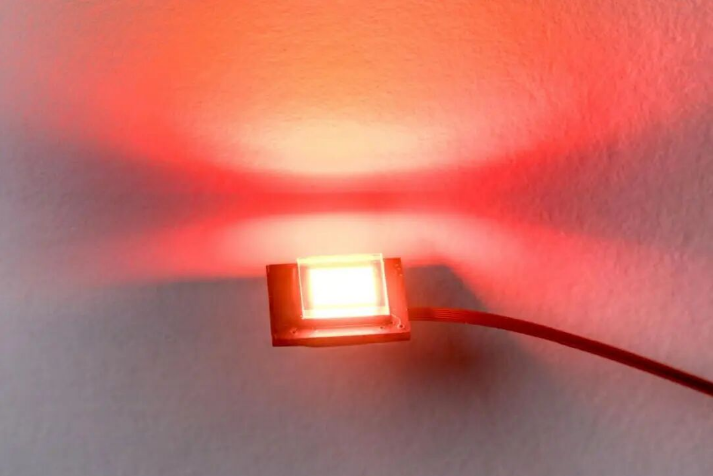
Fraunhofer says the stack is flexible and can be adapted to different backplanes, meaning they're gearing up for custom versions tailored to specific customers and use cases-think AR/VR wearables, military helmets, or any near-eye display that has to fight bright sunlight without draining the battery in minutes.
It's still research/prototype stage, but it's another step making OLED microdisplays (OLEDoS) more viable for real-world high-brightness wearable tech where MicroLED often gets the hype but OLED keeps proving it's no slouch. Cool progress!


