

I've seen it way too many times on job sites, in warehouses, or out in the field: someone drops a touchscreen monitor or industrial tablet from waist height, and boom-cracked screen, dead touch, or weird display lines that kill the whole shift. It's frustrating, expensive, and sometimes dangerous if it's part of critical equipment.

A lot of these "rugged" TFT LCD monitors come with fancy claims like "MIL-STD certified" or "1.5m drop proof," but then they fail in real life after a few months. So what's actually going on during a drop test? How do these standards decide if something is tough enough? And most importantly, if you're dealing with really rough environments, why off-the-shelf stuff often isn't enough-and how going custom with a custom LCD manufacturer can fix problems that standard products just can't handle.
First Things First: What a Drop Test Actually Is
Basically, a drop test (or free-fall test) is exactly what it sounds like: you let the device fall straight down onto a hard surface from a set height, usually multiple times from different angles (corners, edges, flat faces). The point is to check if it still works afterward-no broken glass, no touch going haywire, no black spots or flickering on the screen, and no hidden damage inside that causes failures later.
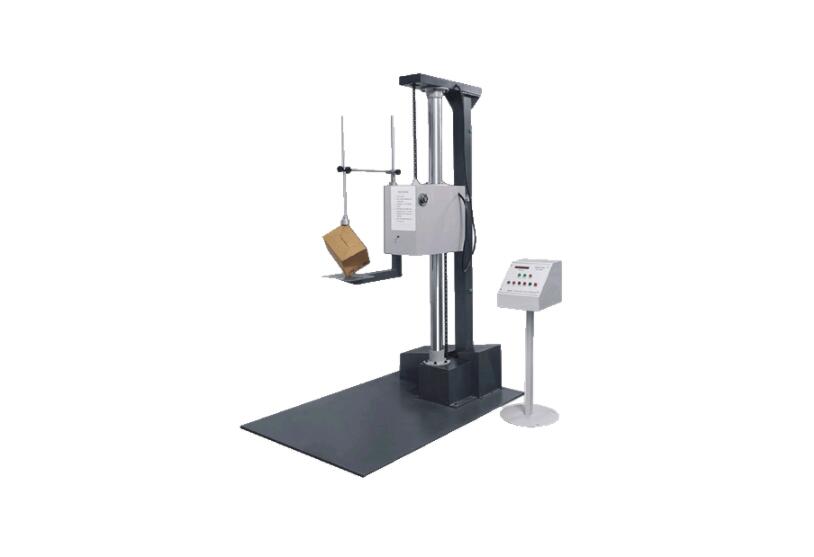
It's different from just whacking it with a hammer because the energy comes from gravity and speed buildup. Real drops happen fast and sharp-think hundreds of g-forces crammed into a split second.
This kind of testing is super common for industrial TFT monitors, panel PCs, control interfaces in factories, oil fields, cold storage, or anywhere gear gets knocked around daily.
The Physics: Why Things Break (and How the Energy Moves)
The basic math is straightforward: energy = mass × gravity × height. Drop something heavier or from higher, and the impact gets nastier. Speed at hitting the ground? Around 5-6 m/s from 1.5 meters-not crazy fast, but the deceleration when it stops is brutal.

That shock wave shoots through the whole stack:
- Outer case/shell takes the first hit
- Then the frame
- Any air gap or adhesive layer
- The cover glass
- Touch sensor layer (usually ITO or similar conductive traces)
- Finally the LCD panel itself, plus cables and boards
Glass is the weak link because it's brittle. One good bend or twist, and tiny cracks spread like lightning (that's the crack propagation thing engineers talk about). Edges are extra vulnerable since stress piles up there.
Common ways it fails:
- Glass shatters or spiderwebs
- Touch traces snap → dead zones or drifting
- LCD layers shift → ugly spots, color issues, or full blackout
- Adhesive lets go → touch feels off or bubbles appear
Stuff that makes it worse: cold temps (glass gets more brittle), hard surfaces like concrete vs softer plywood, or if the drop hits a corner instead of flat.
The Main Standards People Actually Use
Here are the big ones you'll see quoted:
- MIL-STD-810H Method 516 (the military favorite for rugged gear): Usually 1.2–1.5 meters (about 4–5 feet), 26 drops covering every corner, edge, and face. Surface is often plywood over concrete. To pass: everything still works perfectly-no cracks in glass, touch accurate, display clean (a few scratches on the body are fine).
- IEC 60068-2-32: More flexible free-fall stuff, often used for general electronics.
- Everyday industrial specs: 1.5–1.8m drops, 30–50+ times on concrete, expecting no touch drift or dead pixels.
- Really tough custom jobs: 2m+ drops onto steel, 50–100 cycles, zero visible damage.
Quick table for comparison:
| Standard | Height | Drops/Angles | Surface | What "Pass" Means |
|---|---|---|---|---|
| MIL-STD-810H | 1.2–1.5 m | 26 (all orientations) | Plywood + concrete | Full function, no glass break, touch/display OK |
| Typical Industrial | 1.5–1.8 m | 30–50+ | Concrete | No cracks, no touch issues, no display defects |
| Extreme/Custom | 2 m+ | 50–100+ | Steel/concrete | Zero cracks + touch stays precise |
Most TFT LCD supplier products list the basic 1.5m thing, but they rarely mention doing all 26 orientations or testing at extreme temps.
Why Standard Screens Pass Tests but Still Break in the Real World
A lot of generic TFT LCD monitors use the same thin glass (0.7–1.1mm), basic strengthening, and often an air gap between touch and display. They squeeze through certification to keep costs down, but they hit limits fast in tougher spots-like dropping from higher, in freezing cold, or with extra weight/vibration.
That's where you start seeing returns, downtime, and angry calls from the field.
How Custom LCD Changes the Game Completely
This is honestly where the magic happens. As a specialized LCD display manufacturer and custom LCD manufacturer, we don't just assemble off-the-shelf parts-we design the whole stack from glass up.
What we can do differently:
- Use thicker, chemically strengthened glass (like aluminosilicate) with special edge shaping to stop cracks before they start.
- Full optical bonding: glue the touch, glass, and LCD together with clear adhesive-no air gap. This spreads the shock evenly, boosts impact resistance a ton (often 30–50% or more), cuts vibration damage, and keeps dust/moisture out.
- Swap to tougher touch materials (metal mesh or nano-silver lines instead of fragile ITO) so they flex without breaking.
- Add custom buffers like foam or silicone layers inside the frame to soak up those peak forces.
- Build for crazy conditions: drops at -40°C to +85°C, 2m+ onto steel with no cracks, or hundreds of cycles without losing touch accuracy.
We've done projects where:
- An oil platform unit survived 50 drops from 2m onto steel-touch stayed perfect.
- Cold-chain gear handled -35°C drops from 1.8m-no blackouts or failures.
- Mining screens took heavy vibration + repeated knocks-field failure rate dropped almost to zero.
Standard stuff gets you "good enough for the spec sheet." Custom gets you something that actually survives your daily nightmare.
Wrapping It Up
Once you understand how drop tests really work-the energy, the failure points, the standards-you stop buying based on hype and start asking the right questions. And if your application is truly brutal, the answer is almost always custom engineering.
At Minghua Display, that's exactly what we do. We're a dedicated LCD display manufacturer, custom LCD manufacturer, and reliable TFT LCD supplier specializing in rugged TFT LCD monitors, high-durability touchscreen modules, optical bonding, and fully tailored displays for industrial, outdoor, and harsh environments.
Got a project with extreme drop needs, temperature swings, or other tough requirements? Shoot us a message with "Custom LCD" in the subject-we'll give you a straight-up consultation, share test data, or even mock up a sample to prove it works in your world.
Let's make sure your next display doesn't just pass a test-it lasts where it matters.
Minghua Display – Your go-to partner for custom, unbreakable LCD solutions.


