

Hey, if you're reading this, chances are you're dealing with displays for something tough – maybe an industrial handheld, a medical device, a car dashboard, or outdoor equipment. Everyone wants the screen to look sharp, respond perfectly to touch, and survive whatever abuse the real world throws at it.
The way most high-end screens achieve that nowadays is by fully laminating (or "bonding") everything together: the protective cover glass, the capacitive touch layer, and the actual TFT LCD panel. They use special clear adhesives so there are no air gaps left between the layers. Sounds great on paper, right? It usually is… but it's not magic, and it comes with real trade-offs. I've seen plenty of projects where people jumped into full lamination thinking it would solve everything, only to run into headaches later.
Let me walk you through the main ways this lamination gets done, what actually works well, where it falls apart, and why – in most non-standard cases – working with a proper custom LCD manufacturer ends up being the only realistic way to get what you really need.
The Two Main Lamination Methods People Use
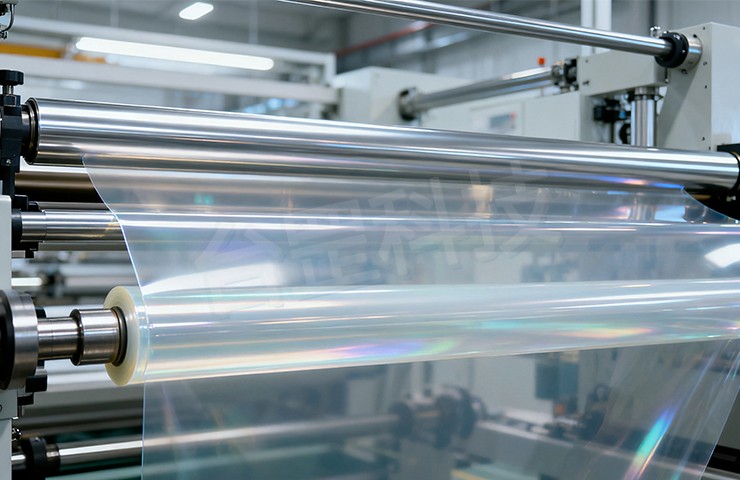
- OCA (dry film adhesive) – Basically a sheet of super-clear sticky film that's cut to size, placed between the layers, and then pressed together under vacuum and sometimes heat. Clean, controlled process.
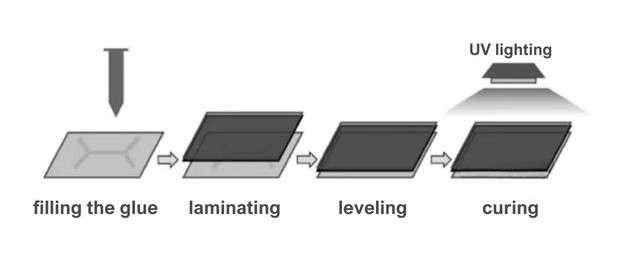
- OCR / LOCA (liquid adhesive) – You dispense a liquid optical glue in a pattern between the layers, press everything together, then cure it (usually with UV light). More flexible for odd shapes, but trickier to control.
Both beat the old-school method of just gluing the edges and leaving an air gap (which was cheaper but looked terrible and performed worse in almost every way).
What Full Lamination Actually Gets Right (The Good Stuff)
When it's done properly, the improvements are pretty dramatic:
- Way better picture quality in bright light – No air gap means almost no internal reflections. Your TFT LCD monitor can go from looking washed out outdoors to actually readable without cranking brightness to max and killing battery life.
- Touch feels accurate and natural – No parallax (that annoying offset where your finger isn't exactly where the cursor thinks it is). Gloves, wet fingers, thicker cover glass – it all works much more reliably.
- The whole thing gets tougher – The bonded stack is stiffer, so it handles drops, vibration, and temperature swings better. A lot of rugged TFT monitors rely on this to pass drop tests or get decent IP ratings.
- Thinner and lighter overall – You can shave off half a millimeter or more compared to air-gap designs, which matters when space is tight.
- Fewer weird visual issues – Less chance of seeing Newton's rings (those rainbow circles), Moiré patterns, or the screen fogging up inside from temperature changes.
I've seen these benefits make a real difference: operators on oil rigs can actually read schematics in sunlight, medical carts survive constant cleaning without delaminating, vehicle screens don't rattle apart after thousands of bumpy kilometers.
Where Full Lamination Can Go Wrong (The Honest Downsides)
But it's not all sunshine. Here are the parts people don't talk about enough until it's too late:
- It's hard to do perfectly – Tiny dust particles, uneven pressure, bad alignment, or curing issues can create permanent bubbles, delamination spots, or glue overflow. Yields drop, especially on bigger or curved panels.
- It costs a lot more – The adhesives themselves are expensive, you need cleanrooms and precise machines, and the process takes longer. A laminated display can easily cost 50–100% more than a similar air-gap version.
- Repair is basically impossible – Once it's bonded, you can't really take it apart without destroying something. If the touch layer fails or there's a dead pixel, most of the time the whole module gets scrapped.
- Not great for weird designs – Standard OCA films hate curves, cutouts, thick glass, or embedded antennas/sensors. Liquid OCR is more forgiving but still has limits on size and complexity.
- Long-term reliability isn't guaranteed – In really harsh environments (extreme heat/cold, constant humidity, chemical exposure), the adhesive can age, expand differently from the glass, and start separating or yellowing after a year or two.
- Supply chain headaches – If you're not buying huge volumes, you can get stuck waiting months for the right adhesive or face minimum order issues.
I've talked to engineers who spent a fortune on "premium" laminated screens, only to have bubbles appear after six months in the field or find out repairs cost almost as much as a new unit.
When Standard Lamination Just Isn't Enough
Most catalog TFT LCD screens are built around common sizes, flat shapes, and typical use cases. That's fine if you're making thousands of identical consumer tablets. But the second your project needs something different – curved glass, odd dimensions, operation from -40°C to +85°C, special anti-fingerprint coatings, integrated heaters, glove-mode touch through 4mm glass, or chemical resistance for hospital sterilization – standard lamination processes start breaking down fast.
You either pay crazy premiums for small modifications, compromise on performance, or end up redesigning the whole product around whatever the supplier happens to offer.
Why Working with a Custom LCD Manufacturer Usually Wins
This is exactly the kind of situation where partnering with a real custom LCD manufacturer makes the biggest difference. Companies like us at Minghua Display don't just assemble standard panels – we control the whole chain: from designing the TFT array itself, choosing the right touch controller, formulating or selecting the adhesive, tuning the lamination parameters, all the way to final testing.
That control lets us fix the classic problems:
- We develop custom adhesive mixes and curing profiles so bubbles and delamination are almost never an issue (yields routinely >99%).
- We keep costs reasonable even on smaller runs by optimizing the supply chain and avoiding unnecessary middlemen.
- We build in repair paths or modular options whenever possible.
- We handle pretty much any shape, size, curve, thickness, or add-on you can think of – curved automotive screens, ultra-rugged handhelds, medical interfaces with anti-bacterial coatings, you name it.
- We tune everything for the actual environment: wide-temp adhesives that don't crack at -40°C or soften at +85°C, UV-stable formulas, chemical-resistant top layers, etc.
A few quick examples from projects we've done:
- One industrial client needed reliable touch at -30°C plus serious drop protection. We engineered a custom LOCA process with an integrated heating film – standard off-the-shelf screens just froze up.
- A medical equipment maker wanted zero bubbles after repeated high-level disinfection and anti-blue-light protection. We adjusted the multi-layer stack and adhesive chemistry; it passed validation first time.
- An automotive project required a curved high-vibration display. We customized the TFT substrate and bonding process from the start so it fit perfectly and held up long-term.

Bottom line: lamination technology is excellent when done right, but the only way to make it truly solve your specific problem – without compromises – is through proper customization.
Want a Display That Actually Fits Your Project?
If you're tired of fighting with catalog TFT LCD monitors that almost work, or you're starting a new design and want to get the optics, touch, and durability exactly right from day one, we'd love to talk.


At Minghua Display, we're a dedicated LCD display manufacturer and custom LCD manufacturer specializing in tailored TFT LCD solutions – full capacitive touch integration, advanced lamination, and everything built around what your application really needs.
Drop us a message for a no-pressure consultation, quick feasibility check, or sample build. Let's figure out the display that actually makes your product better instead of holding it back.
Looking forward to hearing from you!


