

Hey there, if you've ever tried to squeeze a clear, colorful screen into a tiny wearable, handheld meter, or industrial controller without making the whole device bulky, you know exactly why people are searching for the right small LCD display. These compact wonders-often called mini LCD displays or micro LCD displays-are changing the game for embedded projects. In this guide, we'll walk through everything from what a small LCD display actually is to how to pick the best one for your next build.
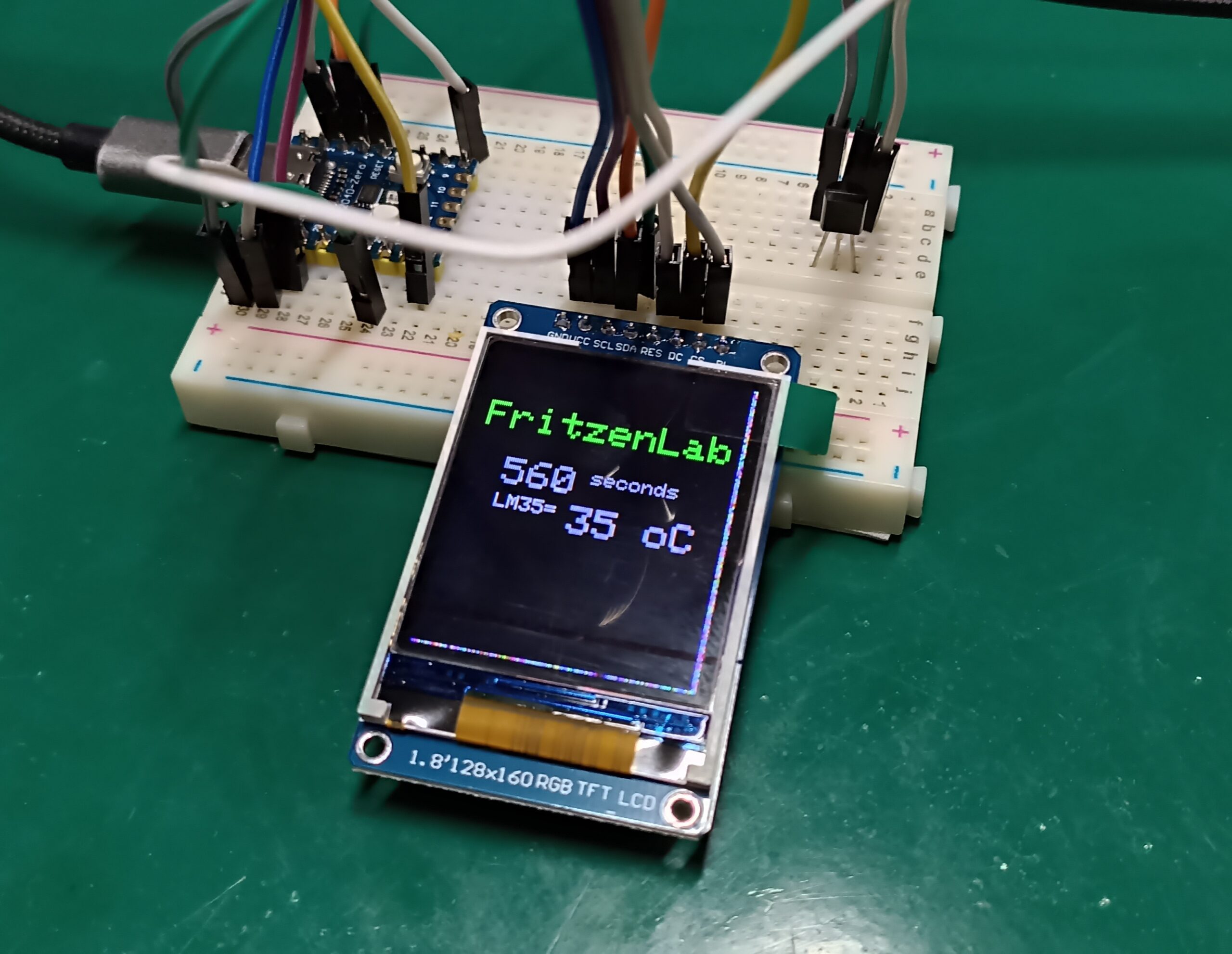
Whether you're prototyping with Arduino, running Raspberry Pi projects, or designing industrial gear, a good small LCD display can make your product look pro without eating up space or power. Let's dive in.
What Exactly Is a Small LCD Display or Mini TFT LCD Module?
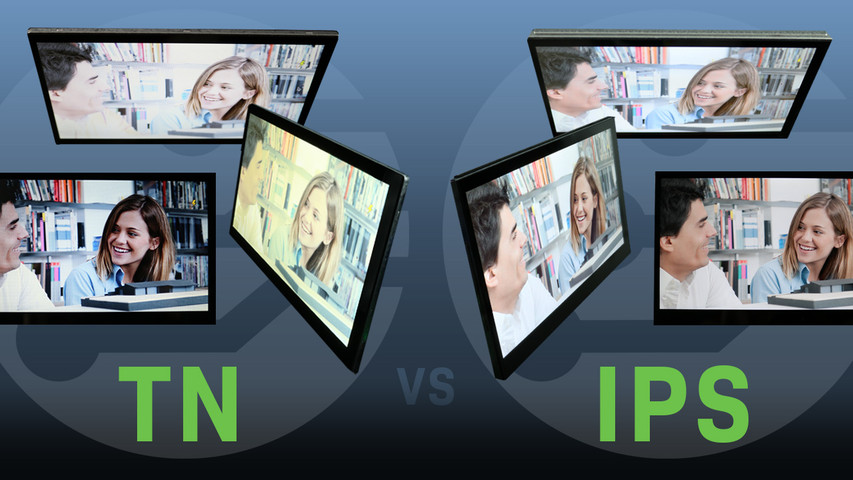
Let's start simple. A small LCD display, especially the mini or micro versions, is basically a compact TFT screen designed for devices where every millimeter counts. These aren't your big TV panels-they're tiny powerhouses with diagonal sizes usually between 0.96 inches and 1.77 inches, and resolutions ranging from 80×160 all the way up to 400×400 pixels.
You'll see them called all sorts of names: mini LCD display, micro LCD display, small TFT LCD, or even miniature LCD module. The key point is they're built for space-constrained embedded systems. Think about it-if your product needs to show clear graphics, status info, or a simple UI but can't afford a bulky screen, this small LCD display is exactly what you need.
Compared to larger displays, these small LCD displays shine when the whole device has to stay pocket-sized or fit inside tight industrial enclosures. They give you sharp visuals without draining your battery or complicating your PCB layout. That's why so many makers and engineers turn to mini TFT LCD modules when space is tight but readability still matters.
Key Features That Make These Small LCD Displays Stand Out
Now let's talk about what actually makes a good small LCD display useful in the real world. The best mini TFT LCD modules come packed with features that solve common headaches in embedded designs.
First up is IPS technology. Unlike older TN panels, an IPS small LCD display gives you wide viewing angles and accurate colors even if you're looking from the side. No more washed-out screens when your handheld device gets tilted-that's huge for portable measurement tools or outdoor gear.

You also get multiple interface options, which is a lifesaver for integration. Most modern small LCD displays support MCU, MIPI, SPI, or even SPI+RGB. That means whether you're pairing it with a simple microcontroller or a more powerful SoC, connecting your small TFT LCD is straightforward.
Touch or no-touch? You decide. Many mini LCD displays offer capacitive touch versions for slick user interfaces, while non-touch models keep things simple and cost-effective for pure display needs.
Brightness options are another big win. Some small LCD displays let you crank up the backlight for sunny outdoor use, while others stay efficient for battery-powered gadgets. And speaking of longevity, these modules often boast 50,000-hour lifespans-perfect for industrial control systems that run 24/7 in tough environments.
All these features turn a basic small LCD display into a reliable workhorse. Whether you're building a quick prototype or heading to mass production, a well-specced mini TFT LCD module saves time and headaches.
Where Do People Actually Use These Small LCD Displays? Real-World Applications
So where do these compact screens show up in everyday products? Pretty much everywhere space is limited and you still need a clear interface.

In industrial control systems, a small LCD display often serves as the HMI panel on machines. Operators get instant status updates without needing a huge monitor taking up cabinet space. The durability and long lifespan of these mini LCD displays make them ideal for factory floors.
Portable measurement instruments love them too. Think multimeters, environmental testers, or data loggers- a micro LCD display fits perfectly on the front panel, showing readings clearly while keeping the whole tool pocket-friendly.
Outdoor displays are another sweet spot. With adjustable brightness and IPS viewing angles, these small TFT LCD modules handle sunlight and odd angles like champs. Handheld devices used by field technicians benefit hugely from a reliable mini LCD display.
Smart home and home automation panels are getting smaller every year. A compact LCD module on a thermostat or control hub gives users a nice touchscreen interface without making the device look like a brick.
And don't forget other embedded platforms-medical portables, IoT sensors, wearables, even some automotive diagnostic tools. If your project is small, battery-conscious, or lives in a harsh environment, a well-chosen small LCD display often becomes the perfect fit.
I've seen teams go from struggling with oversized screens to smooth sailing once they switched to these mini TFT LCD solutions. The versatility really shines when you start matching the display to your exact use case.
How to Get Started with Your Own Small LCD Display Project
Ready to pick your first mini LCD display? Here's a practical step-by-step that actually works in the real world.
Start by browsing available models. Look at size, resolution, interface type, touch options, and brightness ratings. Most suppliers have clear spec sheets for every small TFT LCD module-download a few and compare side by side.

Next, check the mechanical and electrical details. Does the active area match your enclosure cutout? Will the interface work with your chosen microcontroller? Pay attention to power consumption too-especially important for battery projects.
Many engineers test a couple of samples before committing. Grab a development board or breakout version of your chosen small LCD display and hook it up to your Arduino or Raspberry Pi. Write a quick test sketch to display graphics and touch input if needed.
If you hit a snag-like needing custom brightness, a special interface tweak, or integration help-reach out to the manufacturer's engineering team. Good suppliers offer solid support for prototypes and production runs.
Pro tip: Start early with datasheets. Nothing kills momentum like discovering late that your small LCD display won't fit the mechanical layout you already designed.
Bonus Tips, Trends, and Common Questions About Small LCD Displays
The small LCD display world keeps evolving. Right now, we're seeing better sunlight-readable options, even lower power consumption, and smarter touch integration in these tiny packages. Some new mini TFT LCD modules even come with built-in graphics accelerators to offload work from your main MCU.
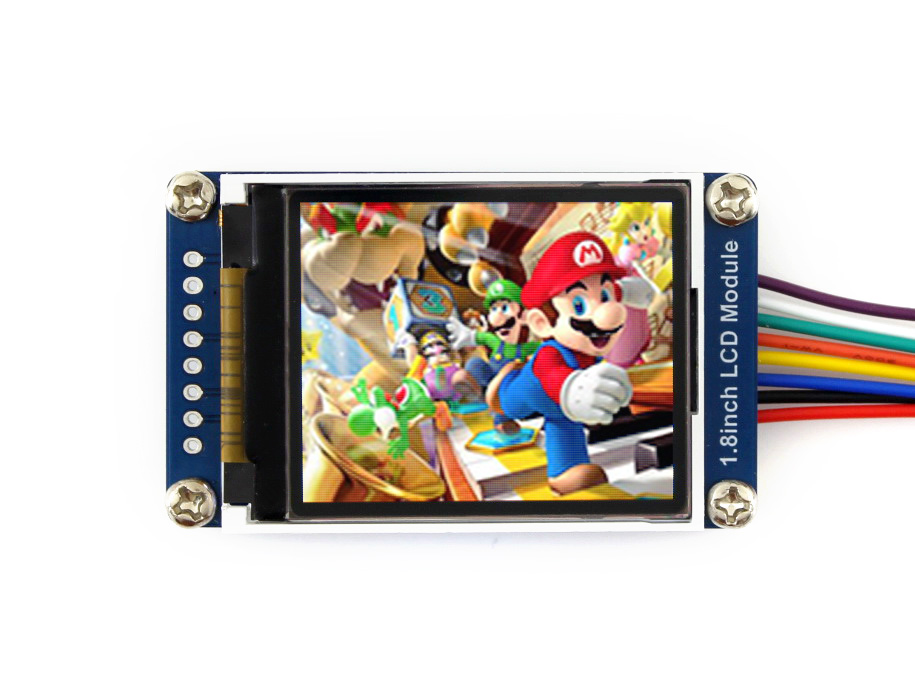
A quick comparison people always ask about: IPS versus TN. For most modern projects, go IPS unless cost is extremely tight- the viewing angles and color accuracy on a small LCD display with IPS make a noticeable difference.
Another frequent question: How long does 50,000 hours really last? That's roughly 5-6 years of continuous 24/7 operation, or way longer if your device isn't running nonstop. Perfect for industrial or outdoor small TFT LCD applications.
If you're integrating with popular platforms, libraries exist for Arduino, Raspberry Pi, and ESP32 that make driving your mini LCD display almost plug-and-play. Search for ST7789 or ILI9341 drivers depending on the controller chip.
Here's a quick checklist before buying any small LCD display:
- Size and resolution match your UI needs?
- Interface compatible with your MCU?
- Touch required or optional?
- Brightness sufficient for environment?
- Operating temperature range covered?
Follow that and you'll avoid 90% of the headaches.
Wrapping It Up: Small LCD Displays Are Smaller Than Ever But More Powerful
At the end of the day, a quality small LCD display-whether you call it a mini LCD display, micro LCD display, or compact TFT module-lets you add professional visuals to projects that simply couldn't handle bigger screens before. From industrial controls to portable gadgets and smart home devices, these little displays punch way above their weight.
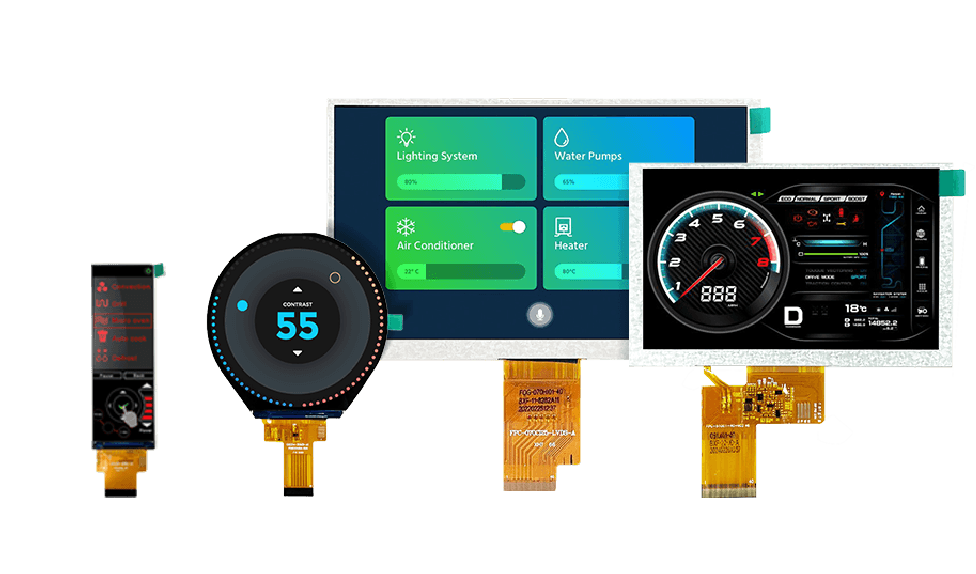
If you're working on something new and need a reliable small LCD display solution that fits your exact specs, the options today are better than ever.
Ready to add a sharp, compact screen to your next embedded design? Take a look at the full range of mini TFT LCD modules available and start comparing specs today.
Why Choose Minghua for Your Custom Small LCD Display Needs
If standard off-the-shelf small LCD displays don't quite hit your requirements-maybe you need a custom size, special brightness, unique interface, or ruggedized version for harsh conditions-reach out to Minghua. We specialize in custom LCD business and have years of experience turning "almost right" into "exactly right" for engineers and manufacturers worldwide.


Whether it's a one-off prototype or full production run of mini TFT LCD modules, our team can tailor everything from the glass to the backlight and touch layer. Drop us a message with your project details and let's build the perfect small LCD display together. Your next compact device deserves the best custom fit.


