Hey there! If you're reading this, chances are you're trying to figure out a high brightness LCD that won't get washed out the second you take it outside - or even in a super bright factory or car dashboard. I've been in the display game for years (working with custom LCD projects just like the ones at MingHua Display), and let me tell you: picking the right sunlight readable LCD can make or break your whole project.
In 2026, with more outdoor digital signage, industrial HMIs, automotive screens, and even marine/medical devices going high-bright, people are searching like crazy for solid advice. From what I've seen across forums, industry reports, and real buyer questions (think Reddit threads about "sunlight readable" vs washed-out screens, plus guides from manufacturers like Litemax and Orient Display), most folks want to know:
- How many nits do I actually need?
- What other specs matter besides brightness?
- How do I avoid wasting money on something that fails in real life?
- Should I go custom or off-the-shelf?
This guide is built exactly for that - straightforward, no-fluff advice to help you pick a high brightness LCD that actually works. Let's dive in!
What Exactly Is a High Brightness LCD?
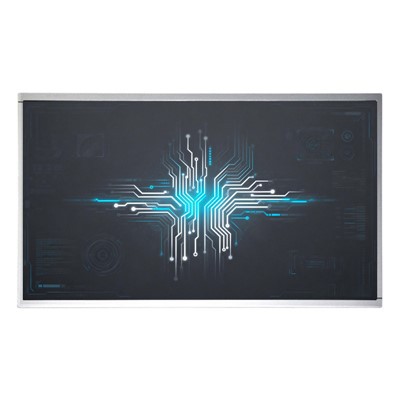
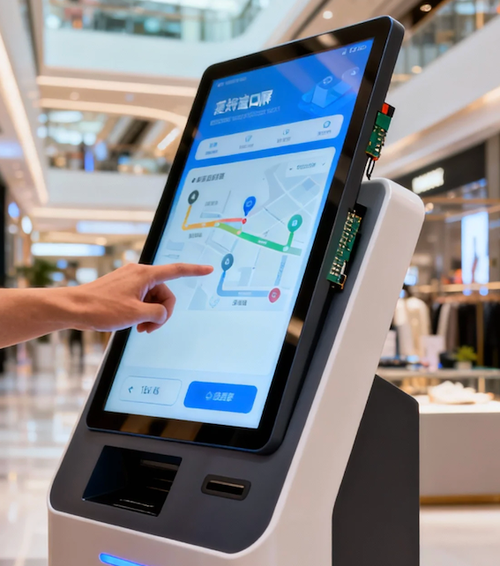
A high brightness LCD (also called sunlight readable LCD or high bright display) is basically a regular TFT LCD pumped up with a much stronger backlight so it can fight direct sunlight or super bright ambient light.
Standard indoor screens? Usually 250–500 nits. Anything 700+ nits starts getting "daylight viewable." But true high brightness LCD for outdoor or harsh environments? We're talking 1000 nits minimum, with serious applications hitting 1500–3500 nits (or even 5000+ for full outdoor signage).
Here's a simple nits cheat sheet based on real-world use (pulled from industry standards like SID and practical tests):
- Indoor office/bright room → 300–500 nits
- Semi-outdoor / shaded outdoor → 700–1000 nits
- Direct sunlight (car dashboard, industrial yard) → 1000–1500 nits (gold standard for most custom needs)
- Full outdoor signage / extreme conditions → 2000–5000+ nits
Check out these real outdoor comparison shots - left side is a standard screen (basically invisible), right side is a proper high brightness LCD at 1500+ nits:
You can instantly see why brightness isn't just a spec - it's what keeps your content readable.
Key Specs You Must Check: Brightness, Contrast, Anti-Glare Type, Thermal Design
Brightness (nits) is king, but it's not the only thing.
Contrast Ratio - Aim for 1000:1 or higher. High contrast helps text/icons pop even when the screen is crazy bright.
Anti-Glare / Anti-Reflection - Look for AR/AG coatings or optical bonding (this glues the cover glass directly to the panel, cutting reflections by up to 90%). Without it, even 2000 nits can look hazy.
Viewing Angle - IPS panels with 178°/178° are best - no color shift when viewed from the side (super important for HMIs or kiosks).
Thermal Management - High brightness = more heat. Good designs use fans, heat sinks, or advanced LED backlights to keep the panel from blackening at high temps. Wide temp range (-30°C to +85°C) is a must for industrial/automotive.
Power Consumption & Backlight Life - 1500 nits might use 2–3x more power than a 400 nit screen. Check for 50,000+ hour backlight life and auto-dimming sensors to save energy.
How Many Nits Do You Really Need? (Indoor Bright / Semi-Outdoor / Full Direct Sun Guide)
This is the question I get asked the most.
Quick rule of thumb (based on ambient light lux levels):
- Indoor bright lighting (1000–5000 lux) → 500–800 nits
- Semi-outdoor / vehicle interior (5000–20,000 lux) → 800–1200 nits
- Full direct sunlight (50,000–100,000+ lux) → 1200–2000 nits minimum, 2500+ for perfect clarity
Pro tip: Don't just trust the datasheet nits - ask for real sunlight test photos or lux vs readability data. Many "1500 nit" screens drop to useless without optical bonding.
Must-Have Features for Reliability: Wide Temp Range, Optical Bonding, Long Backlight Life
Reliability separates good high brightness LCD from junk that fails after 6 months.
Wide Temperature - -30°C to +85°C operating (critical for outdoor/industrial).
Optical Bonding - Reduces reflections, boosts contrast, prevents fogging.
Backlight Longevity - Modern LED backlights hit 70,000–100,000 hours.
IP Rating - IP65+ for dust/water resistance if exposed.
Auto-Brightness Sensor - Adjusts nits based on ambient light - saves power and prevents blinding at night.
Without these, even 3000 nits won't survive heat, dust, or rain.
Common Mistakes When Buying High Brightness Screens (And How to Avoid Them)
Biggest pitfalls I've seen:
- Buying based on datasheet nits only → ignore bonding/anti-glare → screen looks washed out.
- Skipping wide temp → panel blacks out in summer/winter.
- Choosing consumer-grade → dies after a few months 24/7 use.
- Forgetting power/heat budget → system overheats or drains battery fast.
- Not testing in real conditions → "it looked good in the office..."
Always ask suppliers for:
- Real sunlight photos/videos
- Thermal test reports
- Long-term reliability data
Budget Breakdown: Entry-Level vs Premium Custom Solutions
Rough 2026 pricing guide (for ~10–15 inch industrial panels):
- Entry-level (1000–1200 nits, basic features) → $150–400/unit
- Mid-range (1500 nits + optical bonding + wide temp) → $400–800/unit
- Premium custom (2000+ nits, full rugged, touch, custom interface) → $800–2000+/unit
Custom from a specialist like MingHua often ends up cheaper long-term - lower MOQ, exact size/interface, better support, fewer failures.
Why Customization Matters (Size, Interface, Touch, Enclosure Options from MingHua)
Off-the-shelf is fine for testing, but real projects need:
- Exact size (bar-type, square, odd ratios)
- Specific interfaces (LVDS, MIPI, HDMI, eDP)
- Projected capacitive touch
- Custom enclosures/IP ratings
- Wide temp + high bright combo
At MingHua Display, we specialize in custom high brightness LCD with wide temperature range. Whether you need 1500 nits for automotive, 2500+ for outdoor signage, or full rugged industrial screens - we can tailor it without insane lead times or MOQs.
Next Steps: Quick Questionnaire to Find Your Perfect High Brightness Spec
Answer these and you'll know exactly what to look for:
-
What's your main environment? (Indoor bright / semi-outdoor / full direct sun / industrial harsh)
-
Target nits needed? (800 / 1200 / 1500 / 2000+)
-
Size & resolution?
-
Wide temp required?
-
Touch needed?
-
Budget range & quantity?
Drop your answers in the comments or hit us up - we'll give you a free quick spec recommendation (no pressure!).
Picking the right high brightness LCD doesn't have to be overwhelming. Get the nits right, add bonding and wide temp, and go custom when it counts - your project will thank you.
Got questions about your specific setup? Fire away below - happy to help brainstorm!