

Hey everyone, if you've ever tried to run a regular screen in a factory, on a truck dashboard, or out in the elements, you know how fast things can go wrong. For industrial LCD displays, the four biggest threats - extreme heat, bitter cold, nonstop shaking, and dust everywhere - are straight-up killers. These aren't minor issues; they cause real failures that cost time and money.
In this post, we'll break down exactly what happens to ordinary LCD screens in these conditions, why wide temperature LCD makes such a huge difference, and how add-ons like heaters, cooling, and optical bonding turn fragile panels into tough, reliable workhorses. Let's dive in.
The Four Big Killers: What Actually Happens to Your Industrial LCD
Let's start with the bad news: standard consumer-grade TFT LCD panels just aren't built for harsh environments. Here's what each killer does.
High Temperatures (The Slow Cooker Effect) When temps climb above 60–70°C - common near machinery, in direct sunlight, or parked vehicles - the liquid crystals get too fluid, response times drag, colors fade, and you end up with black spots or permanent burnout. Backlights degrade faster too.
Here are some real examples of heat-damaged industrial LCD screens showing faded colors, black blotches, and yellowing:

Vibration and Shock (The Constant Shaker)
Constant movement from machines or rough roads cracks glass, loosens connections, and creates dead pixels. Ordinary panels fail quickly under real vibration.
Look at these cracked and damaged LCD panels from vibration:

Dust and Dirt (The Silent Invader)
Dust settles in air gaps, scratches surfaces, blocks vents, and leads to overheating or shorts. It builds up slowly but kills reliability over time.
Here are dusty, grimy industrial displays covered in buildup:

Wide Temperature LCD vs Ordinary LCD: The Core Difference
The single biggest upgrade? Switching to wide temperature LCD (also called wide temp TFT or industrial-grade LCD).
Ordinary LCD screens usually handle only 0°C to 50°C operating - fine for offices, but useless in real industrial settings.
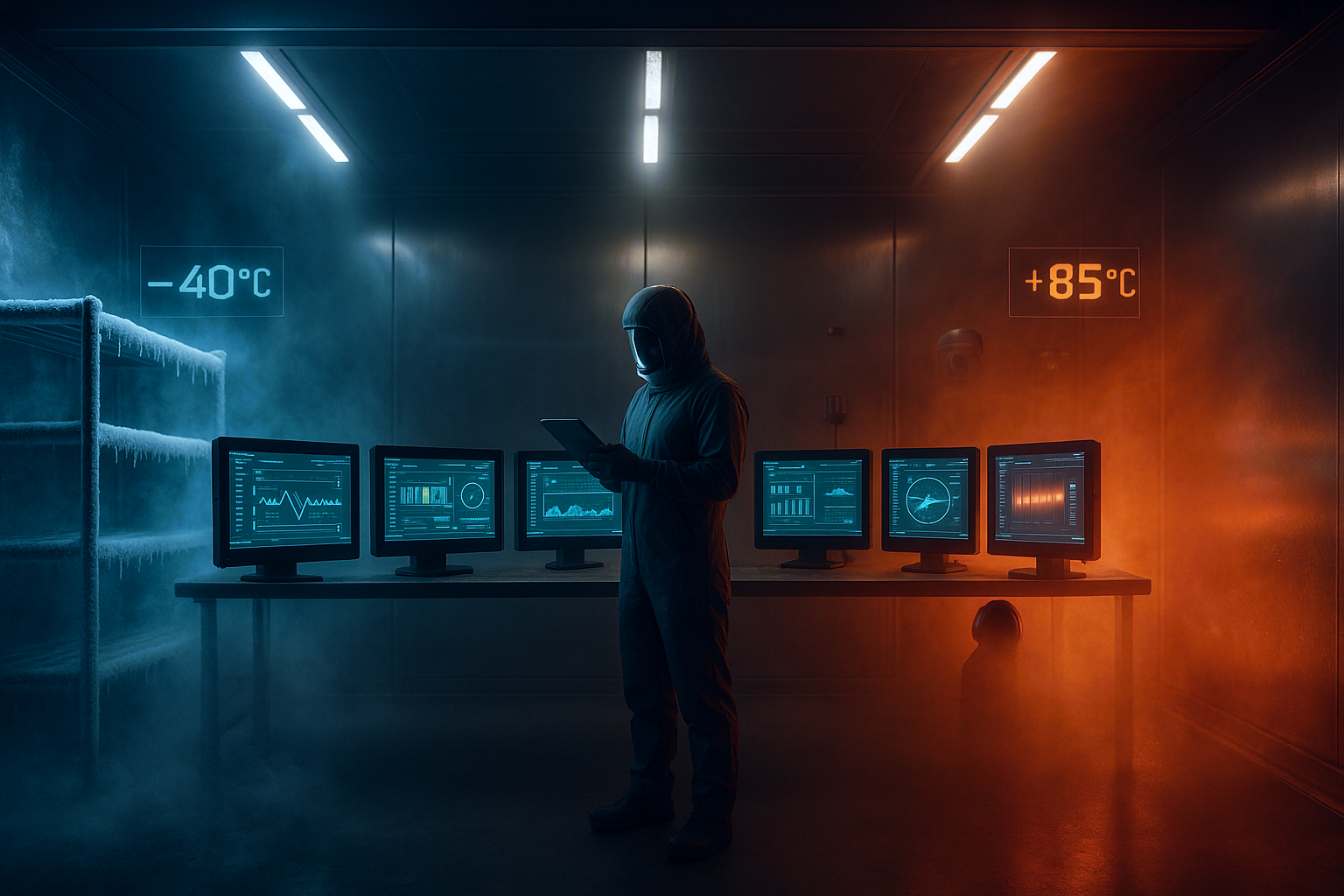
Wide temperature LCD, on the other hand, runs reliably from -20°C to +70°C, often -30°C to +80°C, and premium ones hit -40°C to +85°C. They use special low-viscosity liquid crystals, high-temp polarizers, and rugged backlights so response stays snappy, brightness holds, and no ghosting even in extremes.
These are must-haves for automotive LCD, outdoor kiosks, oil rigs, and factories.
Check out these rugged wide temperature industrial LCD panels tested in extreme environments:
Auxiliary Heating and Cooling: When Wide Temp Alone Isn't Enough
Sometimes even wide temp LCD needs extra help at the edges.
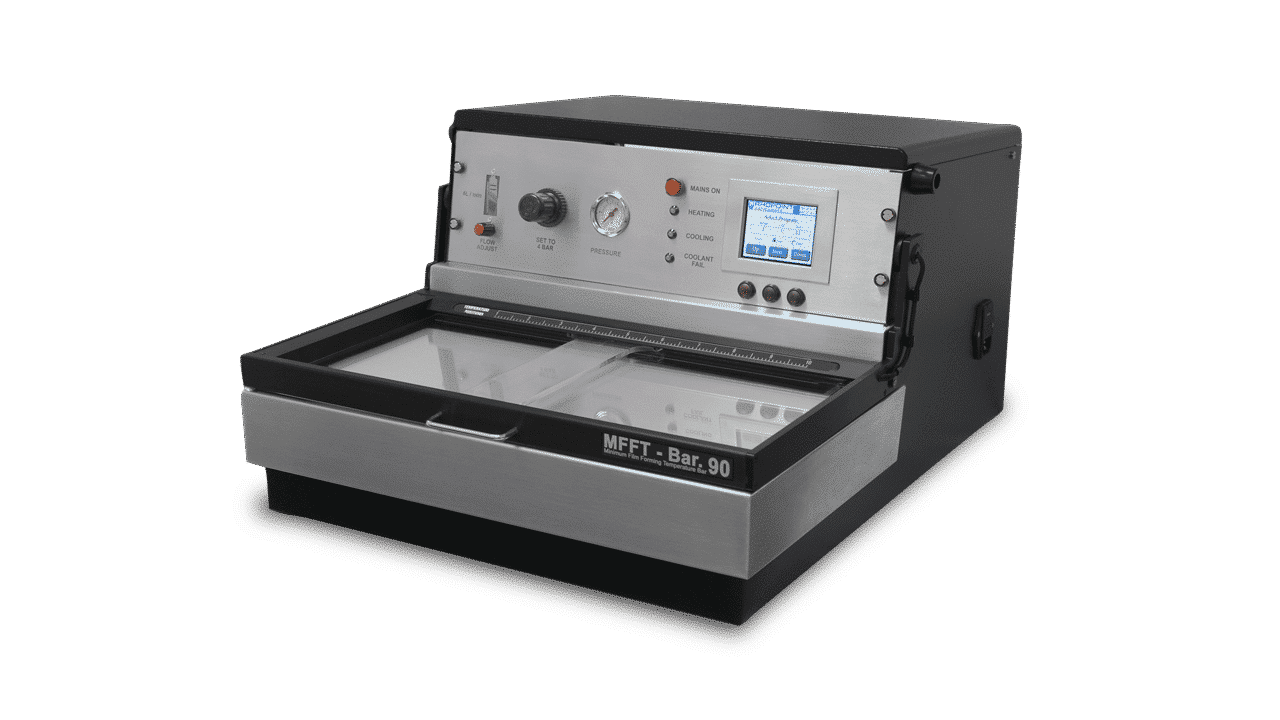
For freezing cold: Add a transparent PET heater film or glass heater. These low-power solutions (5–20W) keep the panel warm enough for quick startup in -40°C or worse.
Here's what a typical LCD heater setup looks like for cold compensation:
For scorching heat: Fans, heat sinks, or even Peltier coolers manage internal temps, especially on high-brightness automotive LCD that generate extra heat.
Optical Bonding: The Ultimate Armor Against Dust, Vibration, and More
Now for the real game-changer: optical bonding (full lamination with optically clear adhesive, OCA/LOCA).
This glues the cover glass or touch panel directly to the LCD panel, eliminating the air gap.
Benefits?
- No space for dust or moisture to enter - perfect for IP65/67 sealing
- Much better vibration and shock resistance (energy spreads instead of cracking)
- Huge readability boost - reflections drop 75%+, contrast soars, making high brightness LCD sunlight-readable
- Overall tougher build
It's a must for any serious industrial LCD or car display.
See the optical bonding process and the difference it makes:

Real-World Applications: Where These Solutions Shine
These aren't lab tricks - they're deployed every day.
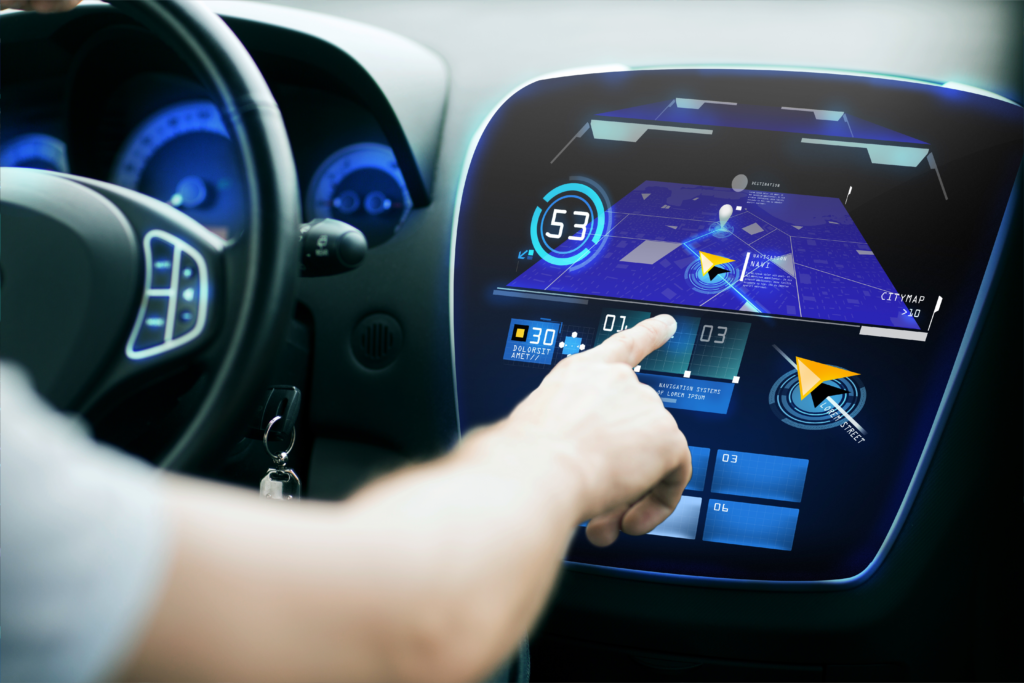
In automotive displays, wide temp + optical bonding keeps dashboards readable and intact in freezing winters or hot summers.
Here are wide temperature automotive LCD in real vehicle cockpits:
In factories, optical bonded industrial HMI touchscreens handle dust, vibration, and 24/7 use without failing.
Check these rugged HMI displays in automation:


Why Choose MingHua Display for Your Custom Wide Temp LCD Needs?
MingHua Display: Your Go-To Expert for Custom Wide Temperature LCD Screens That Beat the Killers!
At MingHua Display, we specialize in custom LCD screens tailored exactly to your toughest applications. With years of experience in industrial LCD and automotive LCD, we offer full customization - sizes, shapes, resolutions, interfaces, and features - perfect for car display dashboards, center consoles, rear entertainment, or rugged HMIs.
What sets us apart? Every wide temperature LCD we build uses premium eco-friendly materials (RoHS-compliant), operates reliably from -40°C to +85°C (no ghosting, fast response, stable performance), and features ultra-high brightness (1000+ nits) with wide color gamut for crystal-clear visibility in direct sunlight. Vibration? Dust? We integrate optical bonding options and rugged designs to make them unbreakable in real industrial environments.
Whether you're in automotive, factory automation, outdoor equipment, or oil & gas, our custom TFT LCD solutions shorten your development time and boost reliability. We partner closely with OEMs and Tier-1 suppliers to deliver durable, high-performance automotive-grade LCD that lasts.
Ready to conquer extreme temps, vibration, and dust? Contact MingHua today - let's turn your project into a success story with screens that truly endure!
Wrapping It Up: Don't Let the Killers Win
Bottom line: If your project involves anything tougher than an air-conditioned office, ditch consumer LCD and go for wide temperature LCD with optical bonding (and heaters/cooling if needed).
It costs more upfront, but you save massively on downtime, repairs, and headaches.
Working on an industrial display, automotive LCD, or TFT LCD project? Drop a comment - I'd love to hear your challenges or share more tips.


