

Hey folks, let's talk about surgical monitors (also called surgical displays or medical grade surgical monitors) and how they're actually used in today's operating rooms. These aren't your average computer screens-they're tough, high-end medical displays built specifically for the OR, delivering crystal-clear, real-time images that surgeons rely on to make split-second decisions. Whether it's a simple laparoscopic procedure or a complex robotic surgery, the right surgical monitor can make a huge difference in precision, safety, and outcomes.
I've pulled together the main ways these displays show up in modern surgery, based on what hospitals and surgeons are doing right now.
Minimally Invasive Surgery (like Laparoscopy, Arthroscopy, etc.)
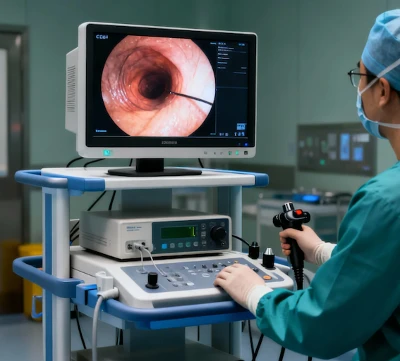
This is probably the biggest everyday use. In procedures where doctors make tiny incisions and use cameras (endoscopes) to see inside the body, everything depends on the screen. No direct line of sight means the surgical display is basically the surgeon's eyes.
These monitors need to be super sharp-often 4K or even 8K resolution-to spot fine details like tiny blood vessels or tissue layers. High brightness (700–1000+ nits) cuts through bright OR lights, low latency keeps movements instant (no lag between tool movement and what you see), and wide viewing angles let the whole team see clearly from different spots.
Common examples: laparoscopic gallbladder removal, hernia repairs, or joint surgeries. The team watches the screen to guide instruments, avoid damage, and get the job done with smaller scars and faster recovery.
Robotic-Assisted Surgery (da Vinci Systems, etc.)
Robotic surgery has exploded, especially with systems like da Vinci. The surgeon sits at a console controlling robotic arms, and the surgical monitor shows high-def 3D views from the camera at the tip of the instruments.
These displays often support 3D (with polarized glasses or active shutters), HDR for better contrast, and deep blacks so shadows and depths pop. That depth perception helps in tight spaces-like prostate surgery, hysterectomies, or heart valve work-where you need to navigate around nerves and vessels without bumping them.

The screen usually pulls in multiple feeds too: robot camera, ultrasound, patient vitals-so everything's in one place.
Interventional Radiology and Cath Labs
In cath labs or IR suites, doctors thread catheters through blood vessels using real-time X-ray (fluoroscopy), ultrasound, or CT guidance. Big surgical displays (often 50–80 inches or video walls with multiple panels) show live imaging so the team can place stents, coils, or ablate tumors precisely.
These need high frame rates to reduce motion blur, DICOM compliance for consistent grayscale (important for seeing subtle vessel details), and low latency. Multi-source inputs let them overlay pre-op scans or show different angles at once.

Examples: coronary angioplasties, brain aneurysm treatments, or tumor embolizations.
Microsurgery, Neurosurgery, ENT, and Ophthalmology
For delicate work under microscopes or endoscopes (brain tumors, eye surgeries, sinus procedures), surgical monitors connect to the scope and show magnified, often 3D views. Some setups use wall-mounted or boom arms for easy positioning.
Newer trends include AR overlays-surgeons wear special glasses that project CT/MRI data right onto the real view, helping "see through" tissue for hidden structures.
Teaching, Remote Consultation, and Recording
Outside the sterile field, large surgical displays in auditoriums or via streaming show live procedures for training or getting second opinions. 4K/8K quality and multi-window layouts let viewers see the main feed plus vitals, notes, etc.
With 5G and better connectivity, remote experts can guide from afar-super useful in tough cases or underserved areas.
Why These Monitors Are So Picky
They have to handle OR realities: waterproof/sealed (IPX ratings), easy to clean/disinfect (antimicrobial coatings), fanless to avoid noise and contamination, multiple inputs (HDMI, SDI, DP), and full medical certs (IEC 60601, FDA 510(k), etc.) for safety.
Looking ahead, AI overlays (highlighting tumors or nerves), 8K resolution, wireless video, and tighter integration with robots are coming fast. These displays aren't just showing pictures anymore-they're active tools helping make surgery safer and more precise.
Got a specific procedure or setup in mind? Feel free to share!
About Minghua Display
Minghua Display is a leading custom LCD manufacturer with over 20 years of experience, specializing in tailored solutions for demanding applications. We excel in producing high-quality industrial TFT LCD, industrial monitor, medical grade monitor, medical LCD display, and Medical TFT Displays-all built to your exact specs. From selecting premium panels and optimizing brightness/color gamut to custom interfaces, touch integration, anti-glare/antimicrobial coatings, and full compliance support (DICOM Part 14, IEC 60601-1, FDA pathways), we handle everything in-house for seamless projects.


Our displays power medical imaging systems, surgical monitors, industrial HMIs, rugged tablets, and more, delivering long lifespans, rock-solid stability, and reliable supply chains. Whether you need wide-temp industrial screens for automation or precision-calibrated medical monitor for diagnostics and surgery, Minghua offers cost-effective customization, fast prototyping, and dedicated technical support including calibration guidance. Drop us a line to talk about your project-we'll work with you to get the perfect display solution that's reliable and fits your budget. Let's chat!


