

Hey everyone, let's chat about the LCD world in 2025 – it's still kicking strong even with all the fancy new tech popping up. LCD screens (those liquid crystal displays) have been the workhorse for TVs, monitors, phones, and pretty much everything with a screen for years. They're reliable, cheap to make in huge volumes, and honestly, most people still use them every day without thinking twice.
The numbers are pretty wild right now. Back in 2024 the whole LCD market was worth about 310 billion dollars, and experts are saying it'll jump to over 1,700 billion by 2030. That's a crazy growth rate of around 33% a year. Why? Because LCD technology just keeps getting better without costing a fortune, and it's everywhere – from your living room TV to car dashboards. Even though OLED and Micro LED steal the headlines for premium stuff, regular LCD panels are still the go-to for most manufacturers.
Here's a shot of what the inside of an LCD factory looks like – massive cleanrooms and those giant glass sheets everywhere.

So how do they actually make these things? It starts with super clean glass substrates – big flat pieces that get polished and coated in layers. Then they add thin-film transistors (that's the TFT part in TFT-LCD) to control each tiny pixel. Liquid crystals get sandwiched between two glass layers, and they twist or straighten up when electricity hits them, letting light through or blocking it. Polarizers and a backlight (usually LEDs these days) finish it off so you see colors and brightness.
New stuff like Micro LED is trying to muscle in because it can be brighter and more efficient, but it's still super expensive and tricky to make at scale. Mini-LED backlighting is actually helping LCD catch up in contrast and blacks, though. It's cool how the old tech keeps evolving.
Check out this production line – those are huge panels moving through the factory.

Looking at 2025 trends, things are moving fast. Flexible displays are getting more real – think curved monitors or even foldable screens that bend without breaking. High refresh rates like 240Hz are standard for gaming now, and energy-saving improvements mean screens use way less power. AI is sneaking in too, with smarter color calibration and touch response.
Mini-LED + LCD combos are giving better contrast, quantum dots make colors pop more vividly, and sustainability is a big deal – companies are using more recyclable materials. In cars and smart homes, LCDs are everywhere because they're tough and affordable.
Flexible screens are one of the coolest directions right now.
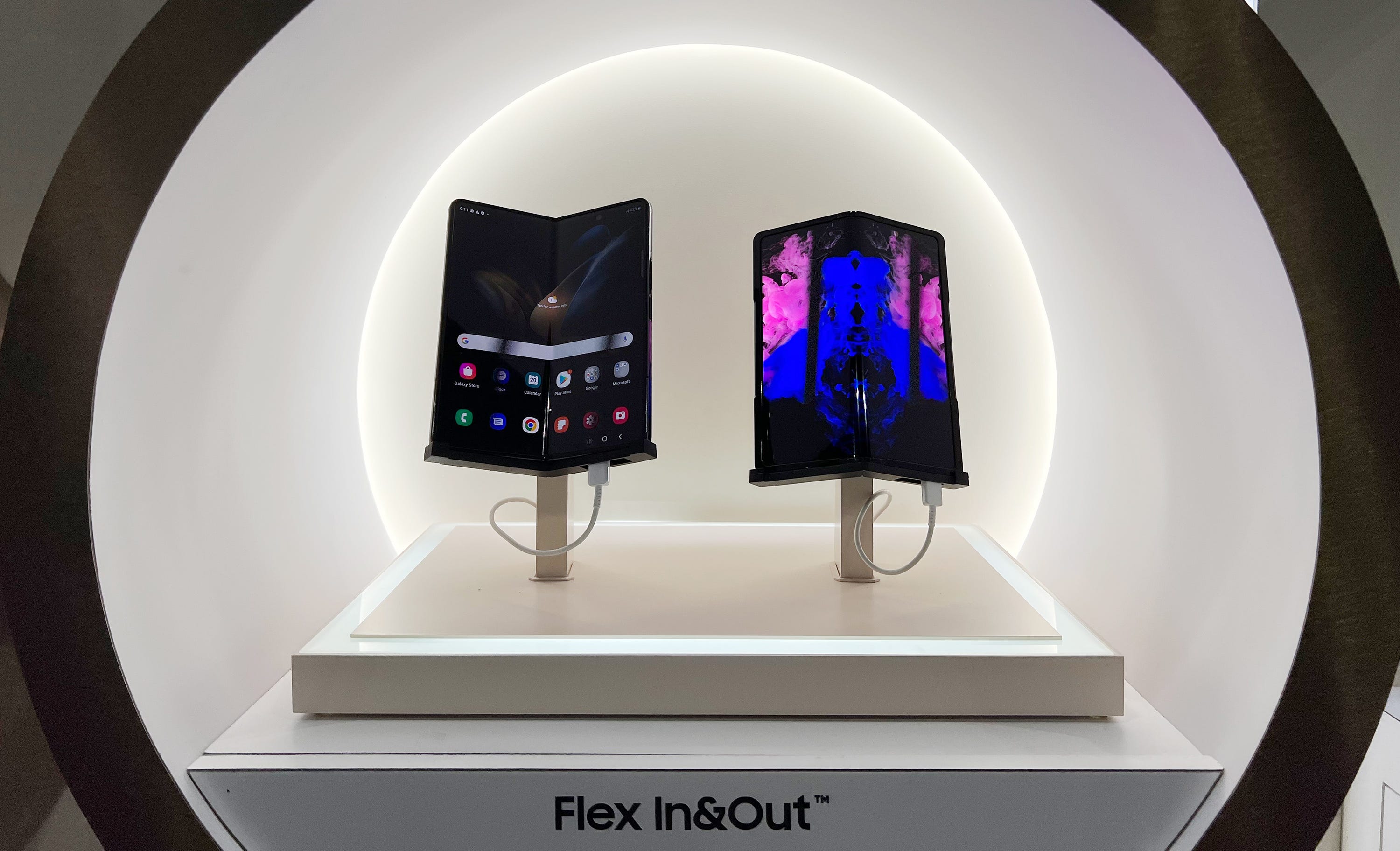
On the brand side, BOE from China is absolutely dominating the LCD game. They're pumping out massive amounts of panels and grabbing huge market share, especially in big sizes for TVs and monitors. Samsung and LG are still in the mix but they've been shifting hard toward OLED for their premium lines – think better blacks and thinner designs. Samsung's QD-OLED mixes quantum dots for brighter colors, while LG pushes their own OLED tech.
BOE keeps winning on volume and cost, though, and they're rolling out upgrades like better contrast versions shown at trade shows.
Here's a glimpse of how Samsung and LG stack up in showrooms.
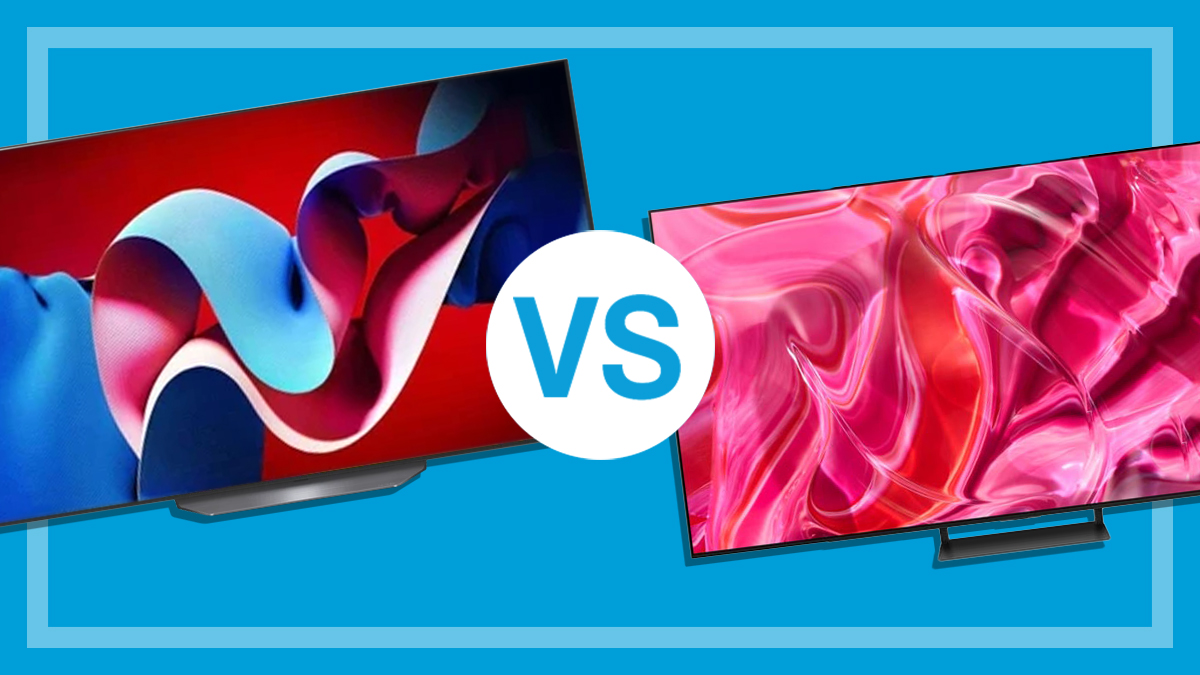
Regionally, China runs the show. Companies like BOE and others control roughly 70-75% of the large LCD panel market. Taiwan's AUO and Innolux are strong in mid-range stuff and automotive displays, while Japan (Sharp) still does great precision work. It's a real power shift – China built giant factories and got government help, so they can make panels cheaper and faster.
Automotive is a huge growth area too – those digital dashboards and infotainment screens are mostly LCD.
Take a look at car screens in action.

Money and government policies keep everything moving. China pours big subsidies into display factories, which is why BOE grew so fast. The US is trying to bring some production home with their own incentives, and Europe pushes green rules that affect how panels are made and recycled. It's a mix of competition and cooperation – everyone wants to be less dependent on one region.
So, will LCD stay king for the next ten years? Honestly, yeah – at least for a lot of everyday stuff. The market keeps growing, especially in budget TVs, monitors, cars, and industrial screens. OLED and Micro LED will take the high-end, but LCD is too cheap and good to disappear.
What do you guys think? Still team LCD for your next TV or monitor, or going all-in on OLED? Drop your thoughts below – I'm curious!
If you're shopping for a new display and want something solid without breaking the bank, check out Minghua. They're making really nice TFT-LCD panels these days with great colors, smooth refresh rates up to 240Hz, and low power draw – perfect for gaming setups, office work, or even car upgrades. Minghua focuses on that sweet spot: high quality at prices that actually make sense, especially compared to the big premium brands.
In 2025 they're pushing flexible options and automotive-grade stuff too, riding the wave of the LCD market growth. People who've tried them say the build quality is solid, colors are vibrant, and support is straightforward. If you're tired of overpaying for names and want reliable LCD technology that performs, MINGHUA is worth a look. Head over to their site, browse the lineup, and if you order soon use code GROK25 for 10% off your first purchase. Seriously, give them a shot – you might be surprised how good everyday LCD can still be!


