

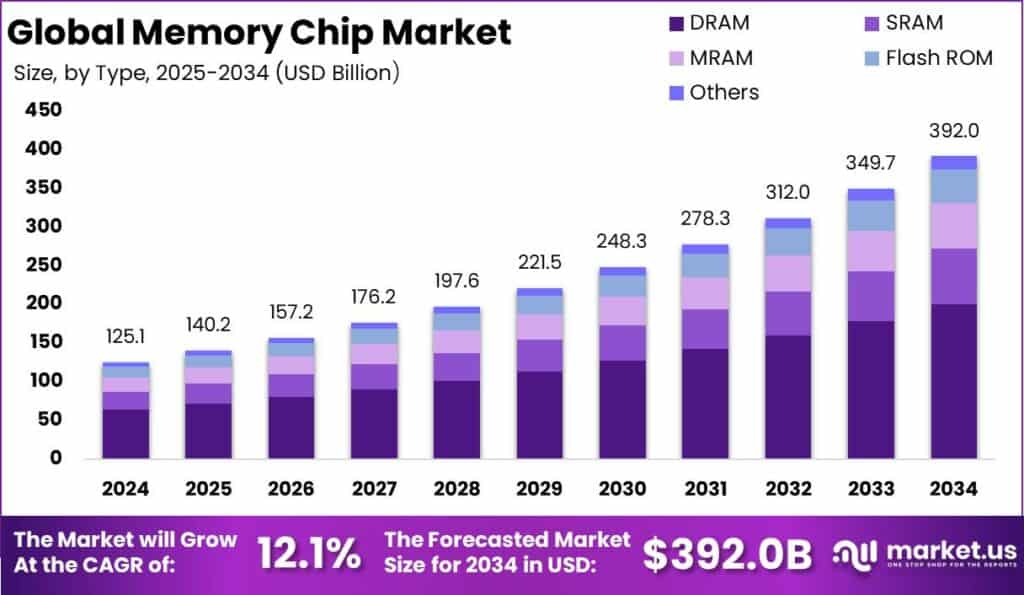
According to the latest report from TrendForce (released on December 11, 2025), smartphone and notebook (laptop) brands are gearing up for notable price adjustments starting in Q1 2026, primarily driven by a sharp rise in memory prices-especially DRAM and NAND Flash.
The surge in memory costs, fueled by strong demand from AI servers and other high-priority applications, is putting heavy pressure on the BOM cost (Bill of Materials) for consumer devices. Even premium lines like the iPhone series are seeing memory take up a larger share of the total cost, which could lead Apple to rethink pricing strategies for new models and potentially scale back discounts on older ones.
For Android brands, particularly those competing in the mid-to-low-end segments where memory capacity has long been a key selling point, the impact is even more direct. With DRAM already accounting for a significant portion of the BOM, brands will likely raise launch prices for new smartphones in 2026 and adjust pricing or availability for existing models to avoid deeper losses.
On the notebook side, the situation varies by segment:
- High-end ultrathin laptops, which typically use soldered mobile DRAM directly on the motherboard, have limited flexibility to downgrade specs or swap components. These models are expected to feel the price increase pressure earliest and most intensely.
- In the mainstream consumer notebook market, existing inventory of finished products and lower-cost memory may help keep prices stable in the short term. However, more noticeable adjustments-through spec reductions or price hikes-are anticipated by Q2 2026.
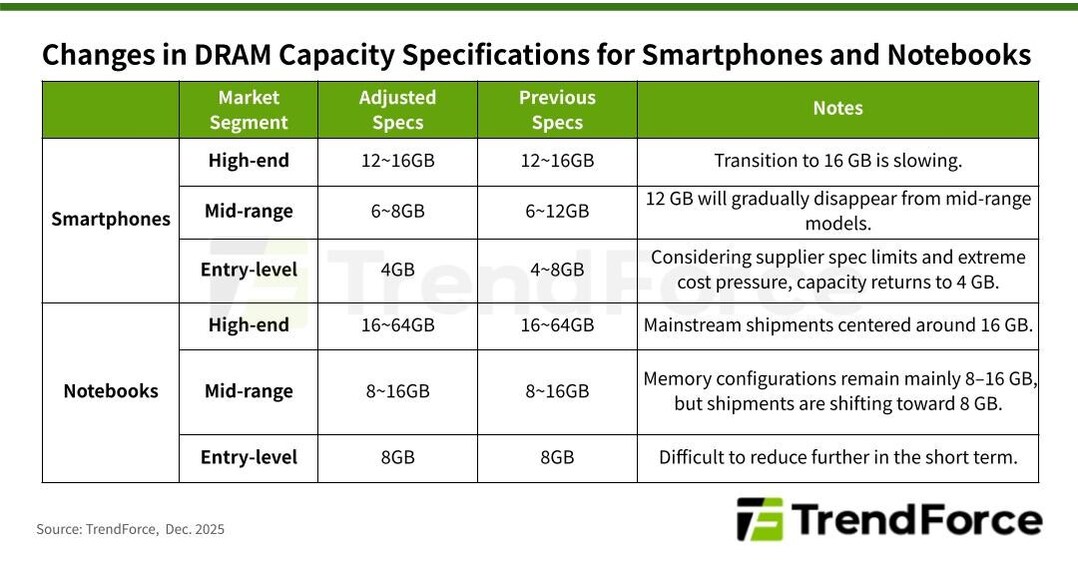
To balance rising costs, many brands are turning to "spec downgrades" or delayed upgrades as a necessary strategy, with DRAM capacity being the most obvious area for adjustments. High- and mid-tier smartphones will likely see slower capacity increases, sticking closer to current minimum standards. The low-end segment could be hit hardest-many entry-level smartphones are projected to revert to 4GB DRAM as the baseline in 2026. Budget notebooks, however, face constraints from processor compatibility and OS requirements, so DRAM reductions there will be more limited in the near term.
Here are some visuals to illustrate the memory impact on devices:
And here's a close-up of DRAM memory chips typically found on a smartphone motherboard, highlighting how integrated and critical these components are:

Overall, this trend points to tougher times ahead for the consumer electronics market in 2026, with higher device prices, slower spec improvements, and potentially softer sales volumes-especially as resources increasingly concentrate among leading brands. If you're in the market for a new phone or laptop, it might be worth considering your options sooner rather than later!


