

With AI chips driving demand for advanced packaging, LG Display (LGD) is now officially getting into the glass interposer field. Industry watchers say the company has formed a special task force to evaluate entering the glass substrate business, with a clear focus on glass interposers.
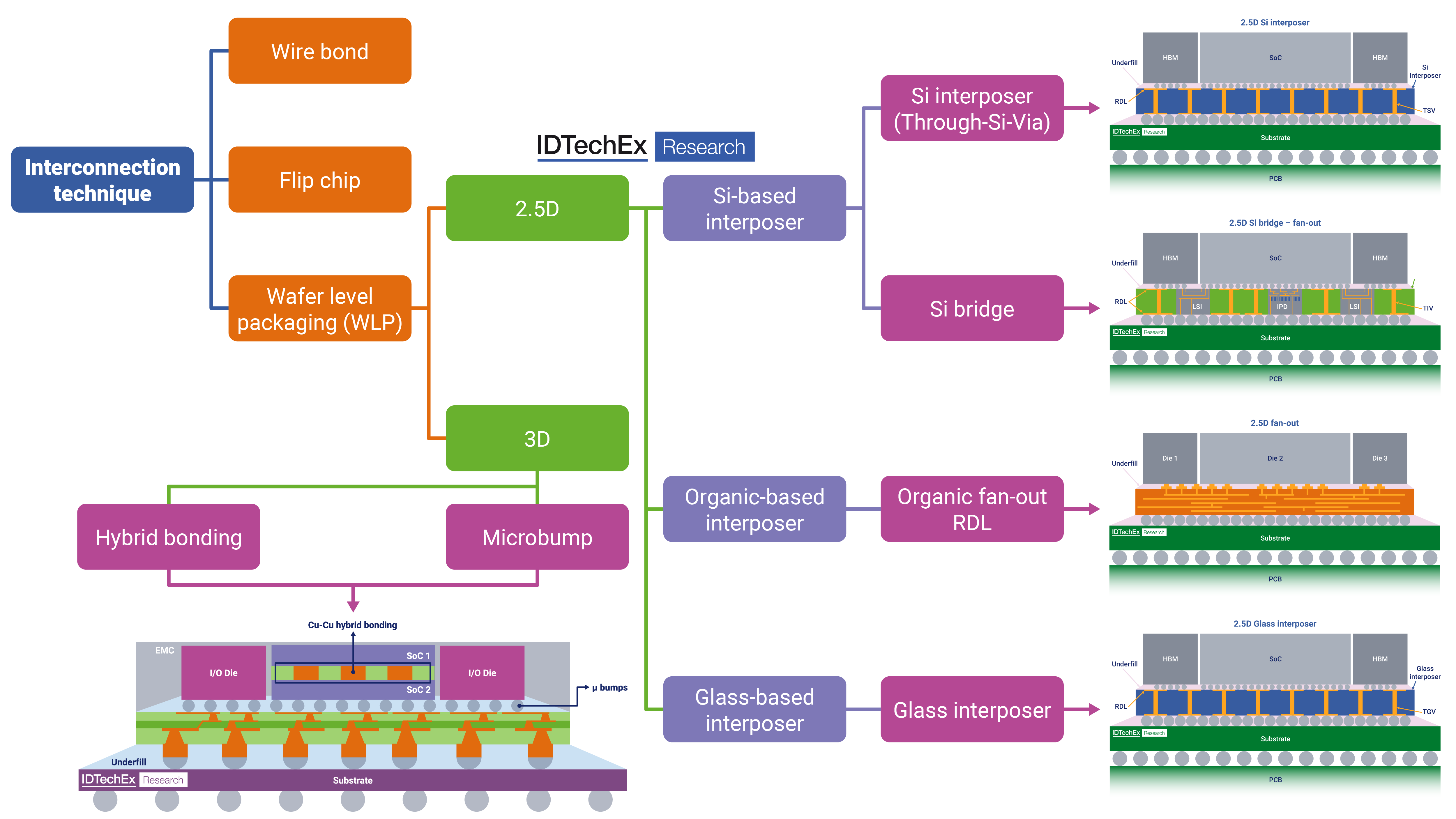
Glass interposers are seen as a promising next-generation packaging technology. They replace the traditional silicon interposer - which connects the chip to the package - with glass. Silicon interposers are limited by wafer size, and any defect can waste the whole piece. Glass, on the other hand, can be made in much larger panel sizes, which should improve yield and efficiency.
LG Display has been quietly doing R&D on this for a while. Recently, it appears the company has gained enough confidence in the commercial potential and has started serious preparations with partners.
Previously, the LG Group had been pushing glass substrate development mainly through LG Innotek. LG Innotek was chosen because of its packaging experience, and it is already building a pilot line in Gumi, aiming to commercialize glass core substrates between 2028 and 2030. Glass core substrates basically replace the core layer of traditional PCBs with glass.
But starting this year, the roles inside the group seem to have become clearer: LG Innotek continues to lead on glass core substrates, while LG Display has taken responsibility for glass interposers.
One industry person familiar with the matter said, "Until January, everyone thought LG Innotek would handle the entire glass substrate business. Now it looks like glass interposers are being handed over to LGD."
The biggest challenge for LGD will be mastering the Through Glass Via (TGV) process. TGV involves drilling tiny holes through the glass and filling them with metal to create electrical connections. Since the interposer is all about connecting the chip and the substrate reliably, TGV performance is critical.
As a panel maker, LGD has plenty of experience handling large glass sheets, but it has almost no background in TGV technology. Making panels is mostly about depositing thin films evenly on glass, while TGV requires precise drilling and metal filling - completely different processes.
Because of this, LGD is expected to rely heavily on partners for TGV know-how. The strongest candidate right now is Abatek. The company already supplies etching equipment for LGD's OLED panel production, and LGD still owns about 9% of Abatek's shares.
Abatek started developing TGV equipment for glass substrates in 2024 and plans to set up its own production line this year. Its affiliate, Abaco, is also active in this area. Through a joint venture with Germany's Schmid Group (Schmid Abaco Korea), Abaco has developed laser drilling and dry plasma equipment specifically for glass TGV.
An industry source commented, "Cooperation with Abatek currently looks like the most realistic option. Since TGV is such a key process, partnerships will be very important going forward."


