

March 27, 2026
According to Korean media, Chinese display companies are moving fast on 8.6-generation OLED investments. This could turn out to be a real game-changer for the global display market.
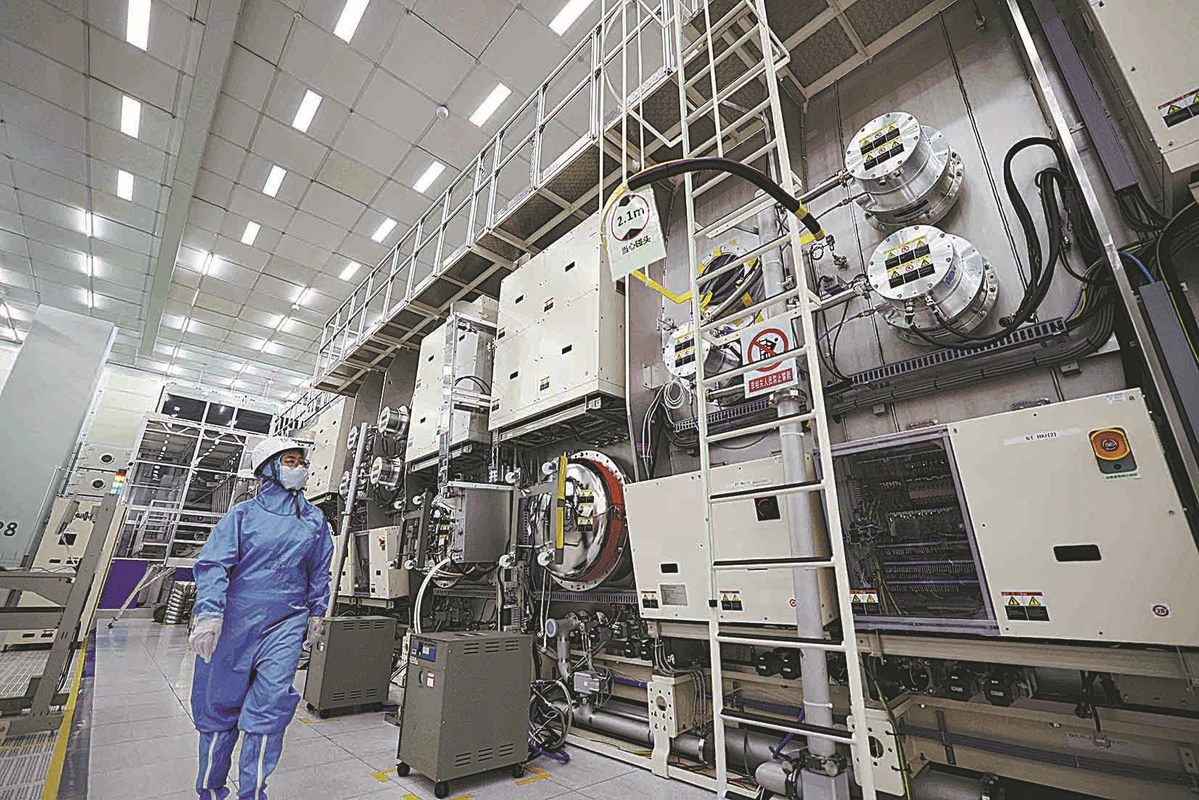
BOE has already started building its factory and is busy stabilizing production yields. Now TCL CSOT and Visionox have also begun placing orders for the key equipment they need.
Sources say both TCL CSOT and Visionox are talking to major Korean and Japanese equipment suppliers about buying OLED evaporation machines, with orders likely to be signed in the first half of this year.
TCL CSOT announced its 8.6-gen OLED project last September and broke ground in Guangzhou in October. The new line will use inkjet printing technology and comes with a total investment of around 29.5 billion RMB. It's planned to handle 22,500 substrates per month.
Inkjet printing is quite different from the traditional evaporation method. It sprays liquid OLED material directly onto the glass, which makes the process simpler, cheaper on equipment, and much faster. More importantly, material utilization can reach over 90%, meaning far less waste compared to the old way.
Visionox is pushing its own 8.6-gen project in Hefei. The company is calling it the world's first 8.6-gen OLED line that doesn't need fine metal masks (FMM). This new approach should cut down on complexity and cost. The cleanroom is already being prepared, and they're about to start moving in and testing the equipment.
Both companies are currently in discussions with Korean and Japanese suppliers. The top contenders are South Korea's Sunic System (which already supplies BOE) and Japan's Canon Tokki (a long-time partner of Samsung Display). Even though the orders aren't officially confirmed yet, these two are basically the only ones who can make 8.6-gen evaporation machines right now, so the deals are expected to go through soon.
The big advantage of 8.6-gen is the substrate size - it's roughly 2.2 to 2.25 times larger than today's 6-gen lines. That means you can cut a lot more panels from one piece of glass. For example, the number of 14.5-inch laptop panels per substrate could jump by about 2.17 times, and overall production costs could drop by around 32%.
One industry person put it simply: "This isn't just about making more panels. It's about bringing costs down enough to finally make OLED affordable for a much wider market."
With TCL CSOT and Visionox speeding things up, the battle for OLED leadership between China and South Korea is clearly heating up.


