

Apple isn't just looking to refine the iPhone; it wants to fundamentally break the "black frame" boundary. Reports surfacing this week suggest the tech giant is leaning heavily on its South Korean partners, LG and Samsung, to realize a long-held dream: a true quad-curved display that looks less like a screen and more like a continuous drop of water.
The timeline is ambitious. While we might see a "micro-curved" preview for the iPhone's 20th anniversary in 2027, the real magic-powered by a new material called Indium Zinc Oxide (IZO)-isn't expected to hit the assembly lines until 2028.
The Physics of the "Dead Zone"
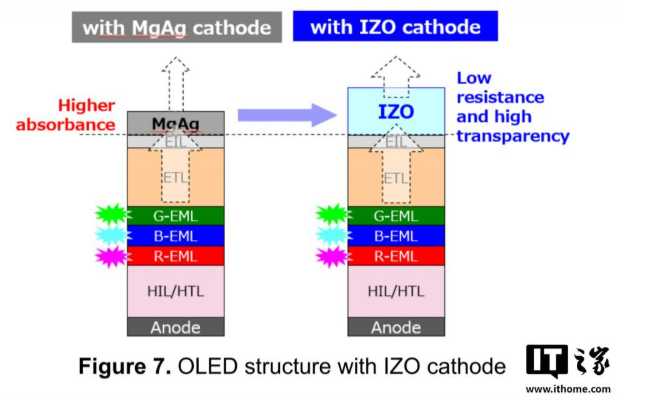
The challenge with current "all-screen" designs isn't the glass, but the plumbing underneath. Standard OLEDs rely on a magnesium-silver cathode that is technically "transparent" but practically opaque enough to cause problems. When you bend these panels around a tight corner, the light gets choked, leading to those familiar dim, distorted edges.
Apple's solution is to swap that alloy for IZO. By leveraging IZO's superior light transmittance, engineers expect to claw back over 30% of the brightness typically lost at the periphery. It's the difference between a screen that wraps around the phone and one that truly glows from edge to edge.

A Billion-Dollar Bet on New Hardware
This isn't a simple software patch or a minor tweak to the glass. It requires a complete overhaul of the "sputtering" process-how thin films are deposited onto the panel. LG Display has already signaled its commitment, earmarking roughly 1.1 trillion KRW (about $800 million) for a specialized production environment that minimizes electrode damage.
Samsung, meanwhile, finds itself in a tighter spot-literally. Their existing OLED facilities are so densely packed that there's simply no physical room for the massive TCO sputtering machines required for the IZO process. The industry buzz is that Samsung may have to break ground on entirely new dedicated lines just to keep Apple's business.
For Apple, the pressure is on. By staggering the rollout-testing the waters with a 2027 anniversary model before going "all-in" on IZO in 2028-Cupertino is playing a calculated game of catch-up with its own design ambitions. If the gamble pays off, the 2028 iPhone won't just be another upgrade; it'll be the "single sheet of glass" Jony Ive always talked about.


