

Picture this: you're in a super bright operating room, lights blasting everywhere, and the surgeon needs to see every tiny detail on a scan right away. If you stuck a normal TV or laptop screen in there, it'd look washed out and useless. That's why medical displays - especially medical LCD monitors - are built completely different. They're made for real hospital chaos, where one glitch could matter a lot.
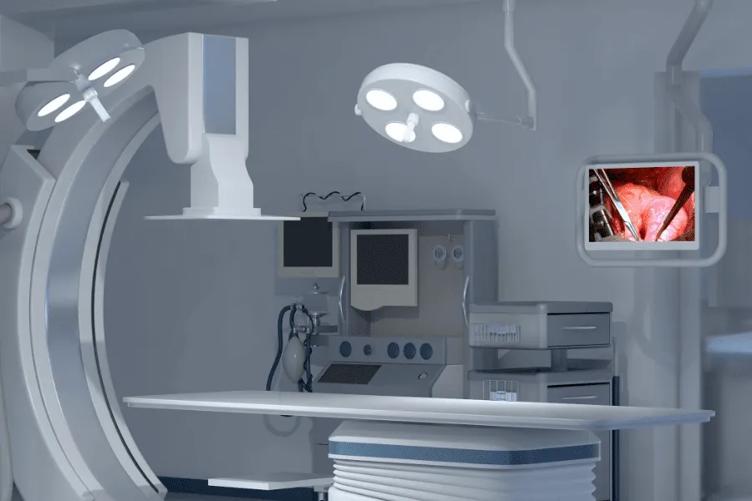
In this post, I'll break down the main stuff that sets medical grade LCD displays apart: the tough rules they follow, how they're easy to clean, the super clear and bright pictures, touch that actually works with gloves, and why they're perfect for things like ventilators. If you're shopping for equipment, designing medical gear, or just wondering why these screens cost more, this should help.
First Things First: What's ISO 13485 and Why Do Medical Displays Need It?
ISO 13485 is basically the big international rulebook for quality in medical devices. It's not about how the screen looks - it's about making sure the whole process of designing, building, and fixing a medical LCD monitor is safe and reliable from start to finish.
Hospitals and regulators care because patient safety is on the line. If a medical display fails during surgery or on a ventilator, it's serious. The standard forces companies to track risks, document everything, test properly, and keep improving. In the US, the FDA updated its rules in 2026 to line up way more with ISO 13485, so it's basically the gold standard now for getting devices approved globally.
Only companies get the certification (not people), but lots of folks inside those companies train as auditors to keep things tight. Bottom line: when you see ISO 13485 on a medical grade display, you know it's built with zero shortcuts.
Keeping Things Clean: These Screens Are Made to Handle Constant Wiping
Hospitals are germ central - constant cleaning with strong stuff is normal. So medical displays are designed flat with almost no cracks or edges where dirt hides. Most have IP ratings for water and dust protection, meaning you can spray disinfectant or wipe with harsh cleaners without breaking anything.
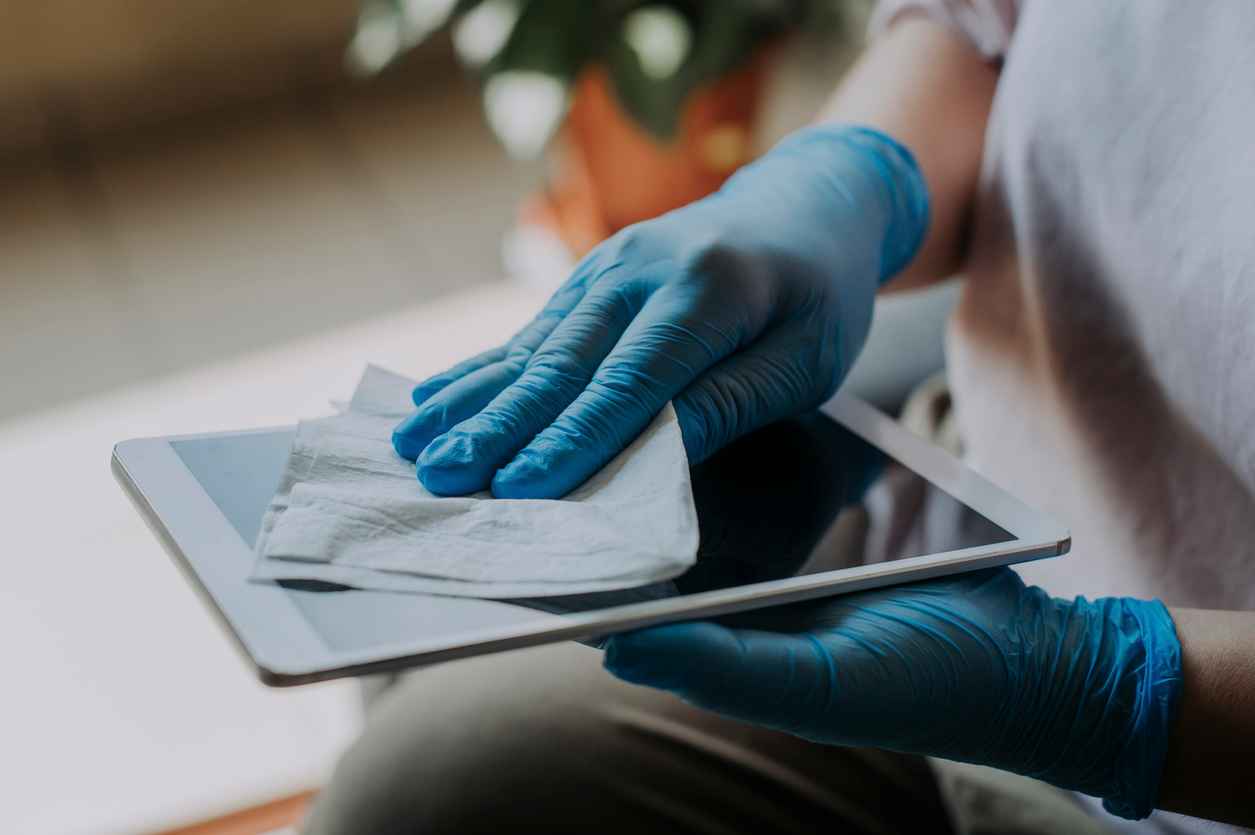
A lot of them also have antibacterial coatings and hydrophobic layers that push away liquids and fight bacteria/viruses/mold. In real ICUs, these medical LCD monitors get wiped dozens of times a day and still hold up for years. It's not fancy - it's just smart design to cut infection risks when patients are already vulnerable.
The Picture Quality: Sharp, Bright, and Actually Useful for Doctors
Medical LCD displays go big on resolution - 4K is common now (3840x2160), with high pixels per inch so details pop without zooming. Doctors looking at X-rays, MRIs, or CTs need to catch tiny things fast; a blurry consumer screen just won't cut it.
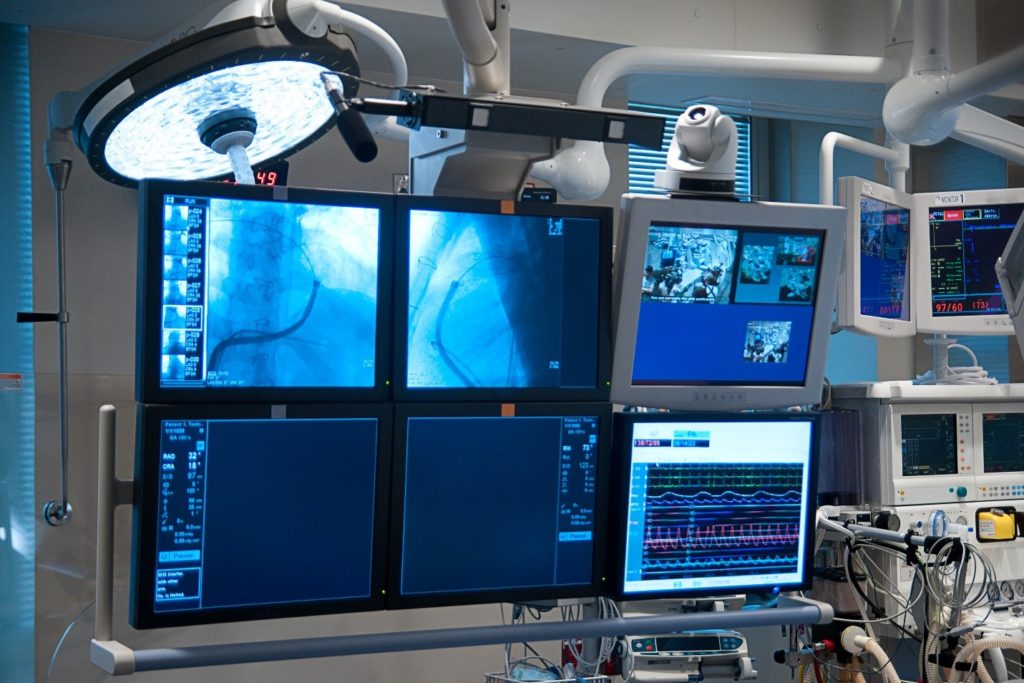
Some even do 3D properly so scans don't lose depth when flattened. And brightness? These medical grade displays hit over 1000 cd/m² (way brighter than your home TV's 300-500), so they punch through glare from surgery lights. Calibrated right (usually to DICOM standards), you get better contrast and grayscale - subtle differences in tissue show up clearly. Surgeons say it's a game-changer for spotting issues quickly.
Touch That Works: Gloves, Wet Hands, No Drama
Nurses and docs wear gloves all the time - sometimes thick ones - and screens get wet or messy. Regular phone-style capacitive touch (PCAP) can be picky: needs tuning for gloves, sensitive to EMI (electromagnetic interference that messes with other medical gear), and might false-touch.
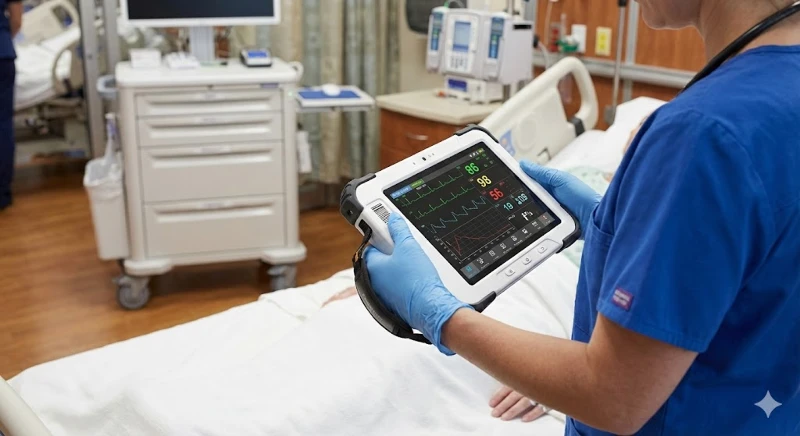
That's why resistive touch is still king for many medical touchscreen displays. It works on pressure, so gloves, water, even a pen - no problem. Low EMI too, which keeps it safe around sensitive equipment (hospitals follow strict IEC rules on that). New hybrids mix both worlds, but resistive is reliable without headaches. No fancy gestures needed - just works when you need it.
Real Talk Example: Ventilators and Their Screens
Ventilators show live curves for pressure and flow, vitals, and let you tweak settings fast - all on the screen. Most use TFT LCD (thin-film transistor) panels: each pixel has its own tiny transistor for sharp, colorful graphics in a small, light package. Perfect for bedside machines that need to be portable.

During COVID, Johns Hopkins built a robot arm thing to control ventilator screens remotely - camera + tablet outside the room so staff didn't have to suit up every time. Saved PPE, cut virus exposure, gave more time for patients. That only works because the medical LCD touchscreen is tough, clear, and glove-friendly.
Wrapping It Up: Why These Details Actually Save Lives
Put it together: ISO 13485 for quality you can trust, easy-to-clean builds, bright sharp images that cut glare, touch that never flakes out with gloves - that's what makes a good medical display or medical LCD monitor worth it. They're not flashy consumer gadgets; they're tools that help doctors and nurses do their job without the tech getting in the way.
As imaging gets better (higher res, AI help, etc.), these screens will keep up. But right now, the focus is on reliability in tough spots.
Need a Custom Medical LCD That Actually Fits Your Gear?
If you're building ventilators, patient monitors, carts, or anything medical and need a medical grade LCD display tailored just right - high brightness, resistive touch, full certifications - hit up Minghua. We specialize in custom LCD business: everything from small ventilator panels to big surgical screens, all built to your specs with ISO 13485 compliance, IP protection, and the features hospitals really need.
We've helped tons of teams get exactly what works without compromises. Drop us a line - let's talk about making your next device rock-solid.


