

According to CINNO Research on April 15, the smartphone panel market is still feeling a lot of pain as we move further into Q2 2026. The pressure that started in Q1 hasn't let up.

The main headache is upstream memory prices - both DRAM and NAND flash - which have been climbing sharply. Raw material costs are also up. Because of this, phone brands are being very careful with their orders. To compete for the limited business that's out there, panel makers and module factories are still cutting prices to move more volume. That's why smartphone panel prices 2026 across pretty much all technologies are continuing to trend downward.
Here's a clearer breakdown by panel type:
a-Si LCD Panels: Budget Smartphone LCD Display Facing Weak Demand
Demand from the big brands for a-Si LCD panels keeps shrinking. The major factories are trying to keep their lines running by pushing more shipments into the white-label market in South China. Module-side competition is still brutal on price, but rising material costs mean module makers can't keep slashing prices as aggressively. In April, the a-Si module price drop slowed down a little. a-Si cell prices are still easing, though the pace has become more gradual.
LTPS LCD Panels: Holding Up in Cars and Laptops, But Struggling in Phones
LTPS LCD production lines are running at relatively high utilization, supported by strong automotive display demand and new orders from refreshed laptops and tablets. In the smartphone area, however, high memory costs are squeezing demand. Prices for older projects are fairly stable, but factories are offering better pricing on new projects to win orders. As a result, LTPS panel prices still edged lower in April.
AMOLED Panels: Price Competition Getting Fiercer
Rigid AMOLED panels dropped further in price in April, influenced by moves from the major suppliers. Flexible AMOLED is in even tougher shape. Brands have cut back purchases significantly, leaving many lines under-utilized. To fill capacity and keep customers, panel makers are making more concessions during negotiations. The price war here is intense, and flexible AMOLED prices stayed on a downward path through April.
CINNO Research expects that in April and May 2026, a-Si module and LTPS panel prices will likely keep easing, while AMOLED panels remain in a declining channel.
Why Memory Prices Are Surging in 2026 (And Hitting Phones Hard)
The root cause is the huge AI data center boom. Companies building AI infrastructure need massive amounts of high-performance memory, especially High-Bandwidth Memory (HBM). The three big players - Samsung, SK Hynix, and Micron - have been shifting a lot of their wafer capacity toward HBM and high-end server DRAM because those bring much higher margins.
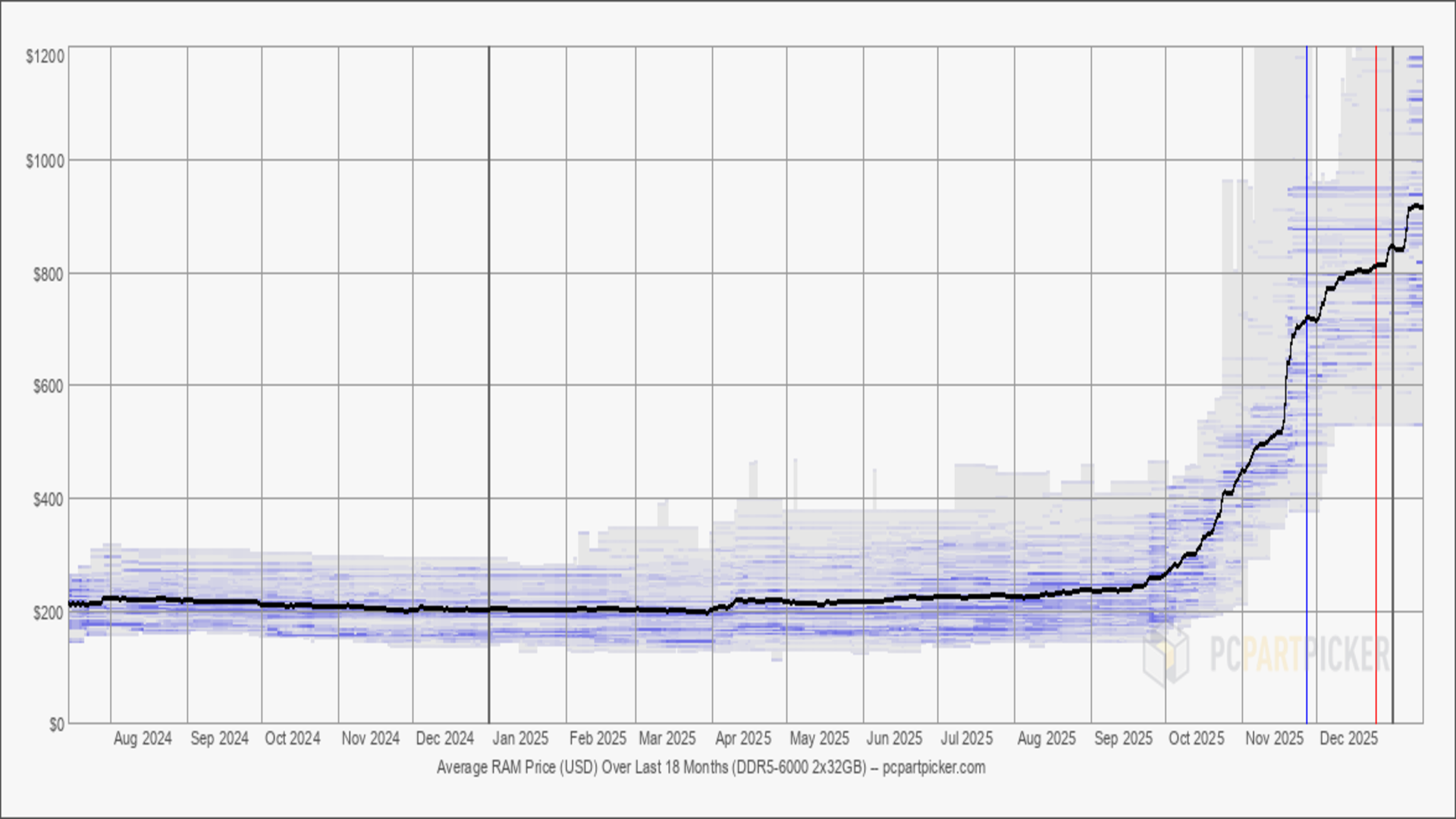
According to TrendForce, conventional DRAM contract prices surged 90–95% quarter-over-quarter in Q1 2026, and are expected to rise another 58–63% in Q2. NAND flash contract prices jumped around 55–60% in Q1 and are forecast to climb 70–75% in Q2. This reallocation means less supply for the mobile DRAM (LPDDR) and NAND (UFS) used in smartphones.
Counterpoint Research points out that for a typical mid-range phone with 8GB LPDDR5X + 256GB UFS, memory's share of the total BOM (bill of materials) rose to about 14% for DRAM and 11% for NAND in Q1 2026 - and is expected to climb to 20% and 16% by Q2. In entry-level phones (under $200 wholesale), memory can now account for as much as 43% of the BOM in some cases. Overall, memory used to be 10–15% of a phone's cost; now it's often 20–40% depending on the model.
This makes brands nervous about ordering components, including displays. As a result, panel makers are under even more pressure to lower prices to secure whatever volume they can.
LCD vs OLED in Smartphones 2026: Could LCD Panel Get a Short-Term Lift?
Even in this tough environment, smartphone LCD display technologies like a-Si LCD and LTPS LCD still matter a lot in the cost-sensitive segments. Many entry-level and mid-range phones use these mature TFT-LCD solutions because they're cheaper than AMOLED.
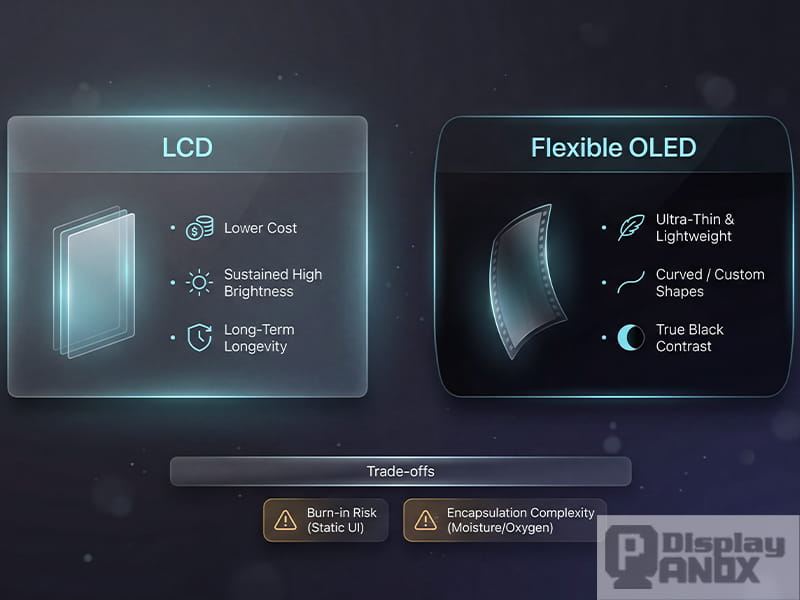
While OLED gives better contrast, color, and thinner designs, the current memory price surge makes LCD panel options look relatively more attractive for controlling overall phone costs. Panel makers are cutting prices aggressively everywhere, but the LCD vs OLED cost gap is especially important in the budget and mid-range market right now.
TrendForce forecasts global smartphone panel shipments to fall about 7.3% in 2026, with AMOLED share rising slightly to 43.2% (from 41.2% in 2025), while LTPS LCD gets squeezed further.
Bottom line: 2026 is shaping up to be a rough year for the whole smartphone panel chain. The memory price surge driven by AI is forcing everyone to be cautious, which keeps pushing display prices down - whether it's LCD panel, rigid AMOLED, or flexible AMOLED.
If you're in the mobile business or just wondering about your next phone, it's worth keeping an eye on memory trends. They're having a bigger ripple effect than a lot of people expected.
What do you think? Will LCD panel technologies get a temporary boost in the low-end market because of these costs, or do you see OLED continuing to take share anyway? Feel free to leave your thoughts in the comments!


