

You might think the worst thing that happens when you put an LCD screen in direct sunlight is that it gets hard to see because of glare. But after years of working with display technology, I can tell you the reality is much worse. Prolonged exposure to strong sunlight can actually cause permanent damage to LCD screens.

High temperatures, invisible UV rays, and repeated heating-cooling cycles can lead to black spots, yellowing, faded brightness, and a host of other problems that shorten the screen's life dramatically. This isn't just a visibility issue - it's a durability problem that costs businesses real money in repairs and replacements.
Why This Matters More Than Ever
We're seeing more and more devices being used outdoors these days. Self-service kiosks in parks, digital signs along busy streets, displays on agricultural machinery, marine equipment on boats, and EV charging stations - all of them need screens that can handle direct sunlight day after day.
A lot of people still believe that if a screen becomes unreadable in bright light, it's just a temporary inconvenience. The truth is, sunlight can quietly destroy the panel over time. That's why understanding LCD sunlight damage has become so important for anyone choosing displays for outdoor or semi-outdoor use.
Can Direct Sunlight Damage an LCD Screen?
Yes, it can - and it often does.
I've come across plenty of cases where standard indoor LCDs were installed in outdoor environments with the assumption they'd be "fine." Within months, many started showing signs of trouble. The combination of intense heat and UV radiation attacks multiple layers inside the display, leading to issues like black spots, color distortion, polarizer degradation, and overall performance drop.
It's not dramatic at first. The screen might still turn on, but the image quality slowly gets worse until one day it's clearly failing.
How Sunlight Actually Harms LCD Displays
There are three main ways sunlight causes trouble:

First, there's the heat. Even on a moderately warm day, direct sunlight can push the surface temperature of a screen well above 60–70°C. Inside the panel, the liquid crystals start behaving erratically. You might see image retention or areas that go completely dark. The trapped heat creates a greenhouse-like effect, especially in displays that have air gaps between layers.
Second, UV radiation quietly breaks down sensitive materials. The polarizer films and optical layers are particularly vulnerable. Over time, they can yellow, lose contrast, or develop a cloudy appearance. This is one of the most common forms of sunlight damage LCD screen issues I see.
Third, the constant temperature swings between day and night create mechanical stress. Materials expand and contract at different rates, which can cause delamination, tiny bubbles, or even separation between bonded layers. What starts as minor stress eventually leads to visible failures.
What Sunlight Damage Actually Looks Like
The symptoms are pretty distinctive once you know what to look for.
Many screens develop black spots - small dark patches that usually appear in the areas that get the most direct sun. These are often caused by localized overheating damaging the liquid crystal layer. Unfortunately, once they appear, they rarely go away.
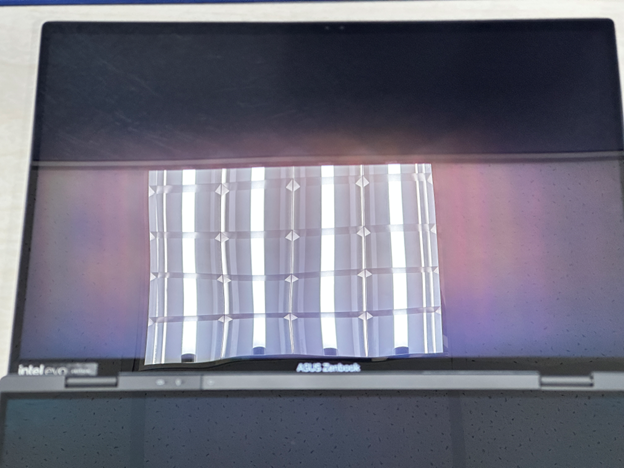
You'll also see discoloration. The screen might take on a yellowish tint or show strange color shifts. Whites look off, and the overall image appears washed out even when you bring it indoors.
Another common complaint is brightness reduction. A screen that used to look decent in daylight gradually becomes harder and harder to read, even when you max out the backlight. This usually comes from both backlight degradation and aging optical films.
Finally, polarizer problems can create rainbow-like patterns or major drops in contrast. In severe cases, parts of the screen look like they've been "burned."
Which Applications Are Most at Risk?
Some uses are clearly more vulnerable to LCD sunlight damage than others. Outdoor kiosks that face south or west tend to suffer badly. Digital signage along roads, marine displays on vessels, monitors on construction equipment, agricultural machinery, and EV charging station screens all face harsh, unrelenting exposure.
These environments don't just have bright sunlight - they often combine it with dust, vibration, and wide temperature swings, making the problem even worse. Standard consumer-grade panels almost always struggle in these conditions.
Practical Ways to Protect Your LCD Screens
The good news is you don't have to accept rapid failure as inevitable. Several proven approaches can make a huge difference.

Using panels designed for wider temperature ranges helps a lot. Look for industrial-grade LCDs rated for -30°C to 85°C operation. These handle heat stress much better than typical office monitors.
UV-resistant polarizers are another smart upgrade. They maintain color accuracy and contrast longer under sunlight, significantly slowing down degradation.
One of the biggest improvements I've seen comes from optical bonding technology. Instead of leaving an air gap between the LCD and the cover glass, the layers are bonded together. This reduces internal reflections, helps heat escape more efficiently, and makes the whole assembly stronger against thermal expansion issues.
Good thermal management also matters - things like proper ventilation, heat sinks, or even strategic placement to avoid the strongest midday sun. And of course, using much higher brightness levels (1500–3000 nits for direct sunlight) makes the screen readable without overdriving the backlight.
Outdoor LCD vs Regular LCD: A Real-World Difference
There's a night-and-day difference between standard LCDs and properly designed outdoor versions. Regular panels usually top out at around 300–500 nits and have limited temperature tolerance. Good outdoor LCDs offer 1500+ nits, built-in UV protection, optical bonding, and much better longevity.
The extra investment almost always pays off through fewer failures and lower maintenance costs over time.
A Real Case That Shows What Happens
I remember one project involving outdoor self-service terminals. The owner went with standard 500-nit LCDs without optical bonding or special UV protection to save money. After just six months in direct sunlight, the screens had developed noticeable black spots, yellowed polarizers, and lost about 30% of their original brightness. Customer complaints increased, and downtime became expensive.

After switching to a proper high-brightness solution with optical bonding and UV-resistant materials, the new terminals have been running smoothly for over 18 months with almost no visible degradation. The lesson was clear: cutting corners on display quality in sunny environments usually ends up costing more in the long run.
Why Choose Specialized Solutions Like Minghua Display
For companies that need reliable performance in challenging outdoor conditions, working with specialists who understand these issues makes a big difference. Minghua Display focuses on custom LCD solutions designed specifically for sunlight-heavy environments. Their high-brightness panels, optical bonding expertise, wide-temperature technology, and UV-resistant options have helped many clients avoid the common pitfalls of LCD sunlight damage.
Whether you're building EV charging stations, marine systems, agricultural equipment, or public kiosks, having the right display partner can save significant time and money.
FAQ
Q: Can sunlight permanently damage an LCD screen?
A: Yes. Extended exposure to high heat and UV rays often causes irreversible damage.
Q: How long can a normal LCD stay in direct sunlight?
A: It really depends on the quality and protection. Many standard panels start showing problems within weeks or months of heavy exposure.
Q: Are outdoor LCD screens actually UV resistant?
A: Better industrial and outdoor-grade models usually include enhanced UV protection, but you need to check the specifications carefully.
Q: What brightness level works best in direct sunlight?
A: For true sunlight readability, most experts recommend 1500 nits or higher.
Q: Does optical bonding really help against sunlight damage?
A: It does. It improves heat dissipation, reduces reflections, and strengthens the overall structure.
Final Thoughts
Sunlight does far more than make screens difficult to read - it can gradually destroy them if you're not using the right technology. Heat, UV radiation, and thermal cycling are the real enemies, and they affect standard LCDs much faster than most people expect.
If you're planning outdoor or semi-outdoor display projects, investing in proper high-brightness, UV-protected, and optically bonded solutions is almost always the smarter long-term choice. It's not just about better visibility - it's about keeping your equipment working reliably for years instead of months.


Have you experienced sunlight damage LCD screen issues in your own projects? Feel free to share your experiences in the comments. And if you're looking for custom LCD solutions built for tough outdoor conditions, it's worth talking to specialists who focus on exactly these challenges.


