

If you've ever noticed a sudden bright line running horizontally across your screen or a thin dark vertical stripe that just won't go away, you know how frustrating LCD line defects can be. Whether it's on a laptop, industrial monitor, TV, or medical display, these issues always seem to appear at the worst possible time.

Over the years of working with displays, I've seen horizontal bright lines and vertical dark lines more times than I can count. In this article, I'll share what actually causes these problems, how to tell if it's serious or minor, and what your realistic options are. No sugarcoating - just practical information.
Understanding LCD Bright Lines and Dark Lines
A horizontal bright line is a visible glowing or white line that stretches from one side of the screen to the other. A vertical dark line, on the other hand, usually appears as a narrow black or shadowed streak running top to bottom.
Both fall under the category of LCD line defects. In technical terms, horizontal ones are often related to row issues, while vertical ones relate to column problems. Sometimes the line is constant, sometimes it flickers, and sometimes it only shows up on certain backgrounds or after the screen has been on for a while.
From my experience, horizontal bright lines tend to be more noticeable and bothersome for users, especially on light-colored content. Vertical dark lines can be sneakier and are often spotted first in dark scenes or text-heavy applications.
Why Do These Line Defects Happen?
Most LCD line defects trace back to problems in one of three manufacturing stages or from later physical stress.
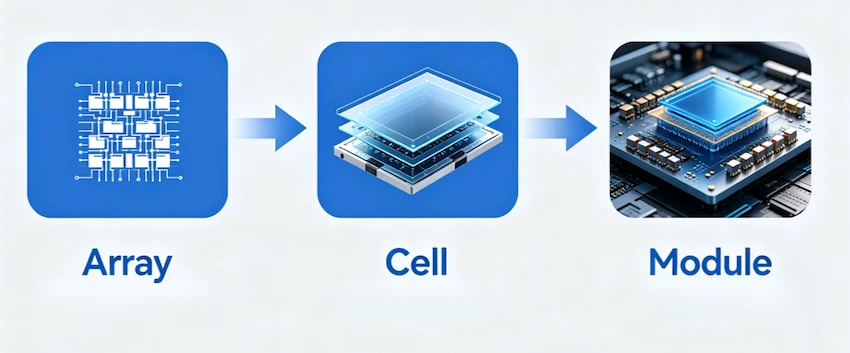
The most serious cases usually start in the Array stage, where the tiny transistors and ITO electrodes are built on the glass. If there's a break or short in the circuitry during production, you'll get a permanent line that's very hard to fix. This is especially common with horizontal bright lines.
During the Cell stage, issues like uneven liquid crystal filling, contamination, or misalignment between the two glass layers can also create line problems.
However, many repairable cases actually come from the Module stage - things like poor FPC (flexible printed circuit) bonding, loose driver IC connections, or COF (Chip on Film) damage. Heat expansion, vibration during shipping, or repeated temperature changes can make these connections fail over time, resulting in vertical dark lines that sometimes disappear when you press gently on the screen edge.
External factors such as dropping the device, electrostatic discharge, or running the screen too hot for long periods can also trigger or worsen these defects.
How to Figure Out What's Wrong With Your Screen
Don't jump straight to replacing the panel. Try these practical checks first:
Run the screen with pure white, black, and several gray backgrounds. Does the line stay exactly the same or change? If it changes with pressure on the edges, there's a good chance it's a connection issue rather than internal glass damage.
Another useful test is letting the device warm up fully. Some horizontal bright lines only appear after 30–60 minutes of use due to heat-related expansion.

In professional settings, factories use automated optical inspection systems to catch these issues early. For everyday troubleshooting, take clear photos under different brightness levels - this helps a lot when talking to technicians or suppliers.
It's also important to distinguish line defects from other common issues like backlight bleeding or cloud-like mura. True line defects follow straight rows or columns very precisely.
What Can Actually Be Fixed?
Here's the reality check: If the LCD line defect is caused by damage inside the TFT glass layers, there's usually no permanent fix other than replacing the entire panel. This is the case for most permanent horizontal bright lines.
However, if the problem is in the connection area (FPC, driver IC, or COF), it's sometimes possible to repair by re-bonding or replacing the flexible circuits. I've seen this work well on some industrial displays, but the success rate drops significantly on consumer-grade products.
For high-reliability applications like medical equipment or factory automation, most engineers choose to replace the display module rather than risk recurring issues.
How to Reduce the Chance of Line Defects
The best approach is prevention. Good suppliers maintain tight control over the Array process, use better bonding techniques in the Module stage, and perform thorough aging tests before shipping.
When designing products, proper thermal management and good mechanical protection make a big difference. For buyers, choosing suppliers with strong quality systems and lower defect rates is one of the smartest moves you can make.
Real Situations I've Encountered
One client had a batch of 27-inch monitors developing vertical dark lines after only three months in the field. Investigation showed the root cause was weak COF bonding that couldn't handle normal shipping vibration. After switching to a supplier with reinforced bonding processes, the problem basically disappeared.
Another case involved a control panel in a hot environment showing multiple horizontal bright lines. The issue was heat buildup affecting the driver circuits. Improving ventilation and choosing a higher-temperature-rated panel solved it.
These real examples show that while some defects are random, many can be greatly reduced with better design and manufacturing choices.
Final Thoughts
Horizontal bright lines, vertical dark lines, and other LCD line defects are annoying but very common. Understanding the likely causes helps you make better decisions - whether you're fixing one screen or sourcing displays for hundreds of devices.
If you're dealing with recurring display quality issues and want a more reliable solution from the start, working with a specialist who understands the full manufacturing process can save a lot of headaches.

At Minghua, we specialize in custom LCD solutions. We focus on delivering stable, high-reliability TFT LCD panels with strong attention to defect control throughout production. If you need custom sizes, special brightness, or industrial-grade displays that minimize problems like bright lines and dark lines, feel free to reach out. We're happy to discuss your project and find the right approach for you.


