

Hey everyone, it's great to have you back on the blog. I've been geeking out over display tech for ages, and right now in late 2025, things are getting really exciting. We're at this crossroads where old-school LCD panels are still hanging in there for big TVs and monitors, but OLED is dominating phones and premium sets, Mini LED is giving LCD a serious boost, and Micro LED is starting to show up in prototypes that blow your mind. If you're wondering what your next TV, phone, or even car dashboard might look like in 2030 or 2035, this post is for you. I'll break down the roadmap based on what's happening right now-no hype, just realistic takes from industry reports and recent developments.
Let's chat about it step by step, like we're grabbing coffee and talking gadgets.

Where LCD Stands Right Now and Its Remaining Life
LCD has been the workhorse for decades-cheap, bright, reliable for big screens. But honestly, its heyday is winding down. In 2025, LCD panels still dominate volume sales for TVs over 65 inches and most monitors, but the market share is slipping as costs for alternatives drop.
Over the next few years, LCD will stick around in budget TVs, commercial displays, and some automotive stuff where cost matters more than perfect blacks. By 2028, it'll probably still be mainstream for large TVs because of existing factories in China pumping out panels cheaply. After that, though, expect a slow fade-maybe holding strong until 2030 in niches like outdoor signage or industrial monitors that need super high brightness without burn-in worries.
The big issue for LCD is competition from better tech. Traditional backlights can't match the contrast of self-emissive displays, so even with improvements, it's playing defense.
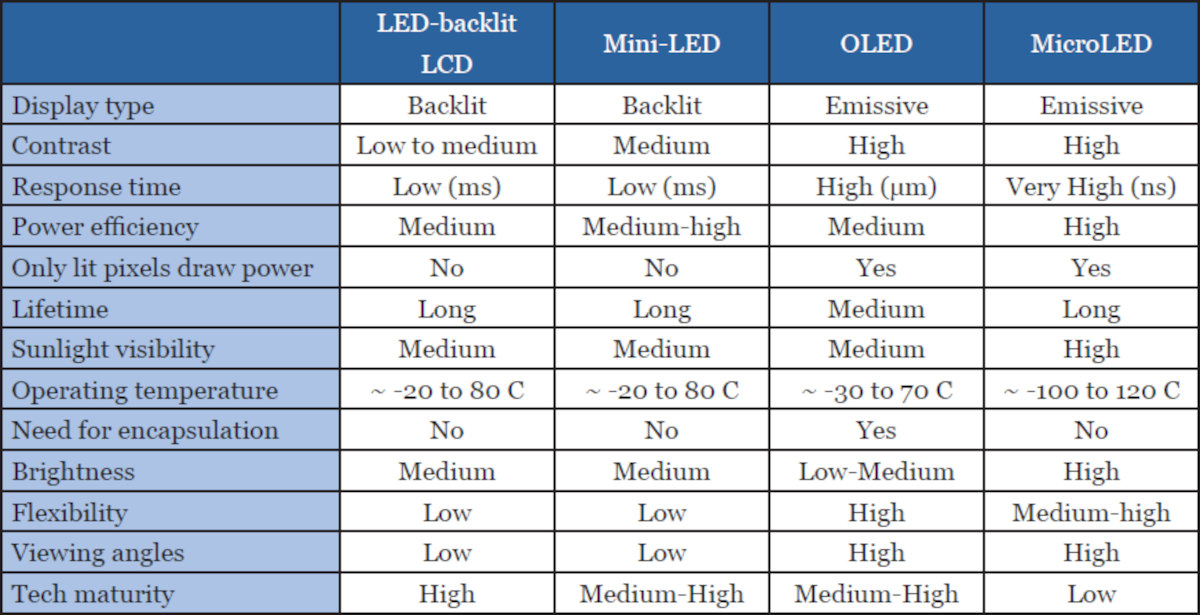
Comparison charts like these highlight why LCD is losing ground in premium segments.
Mini LED: The Bridge That's Keeping LCD Alive Longer
Mini LED isn't a whole new display-it's basically an upgraded backlight for LCD panels, using thousands of tiny LEDs for way better local dimming. This gives deeper blacks and higher brightness without the burn-in risk of OLED.
In 2025, Mini LED is huge in high-end TVs-think models with 2000+ zones for HDR that pops. It's also creeping into laptops and tablets. Costs are coming down fast, so by 2026-2027, we'll see more mid-range options.
Looking further, Mini LED could peak around 2028-2030 as the go-to for bright-room viewing, like big TVs in living rooms. But reports say it'll start getting challenged by Micro LED in premium stuff mid-2030s. Still, for a while, it's extending LCD's life big time, especially in cars where reliability is key.

Examples of Mini LED backlit TVs show how close they get to OLED contrast now.
OLED: Still Growing Strong in Mid-to-High End
OLED is where most of the excitement is right now. Self-emissive pixels mean perfect blacks, insane contrast, and vibrant colors-nothing beats it for movies in dark rooms.
By 2025, OLED is everywhere in flagship phones, and TV market share is climbing fast with brighter panels hitting 2000+ nits. Forecasts show the OLED market exploding to hundreds of billions by 2035, driven by foldables, IT like laptops, and even cars.
The bottlenecks? Burn-in is mostly managed now, but lifespan and peak brightness still lag inorganic options. Expect big gains in efficiency and brightness through 2030, keeping OLED dominant in mobiles and mid-size TVs until Micro LED scales.

Those perfect black levels are why so many love OLED.
Micro LED: The Long-Term Winner Starting to Emerge
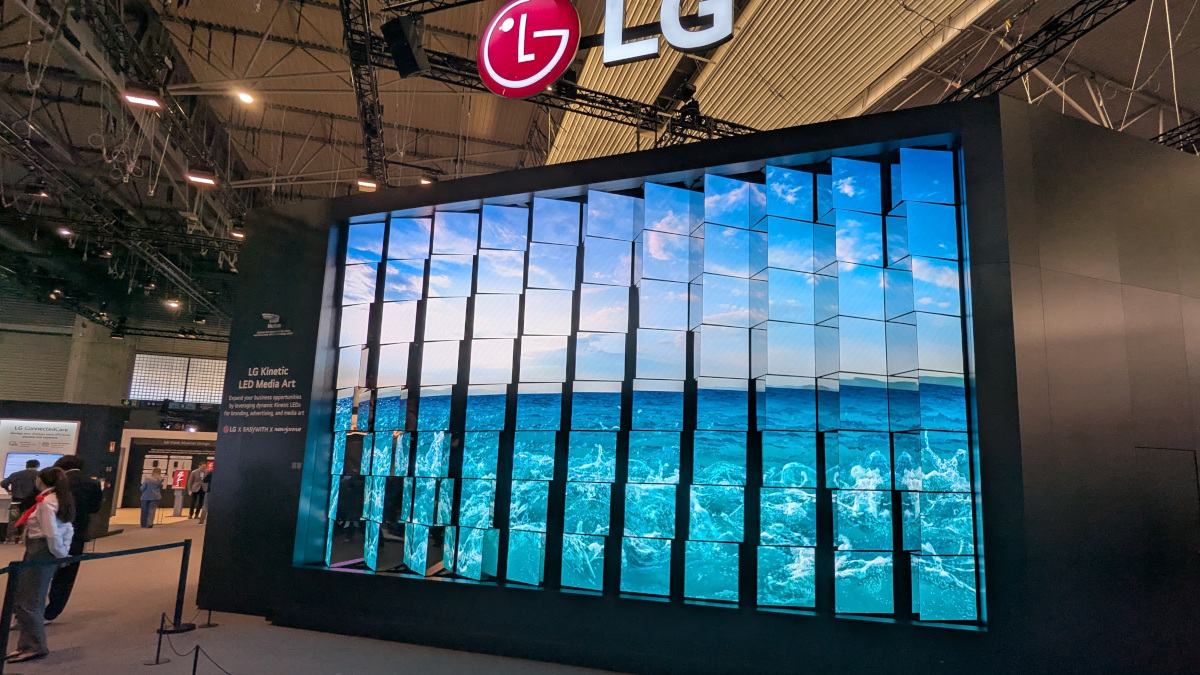
This is the one everyone's talking about as the "ultimate" tech. Inorganic LEDs as pixels-no backlight, no organic materials-means crazy brightness (over 4000 nits possible), no burn-in, long life, modular sizes from watches to walls.
Right now in 2025, it's mostly prototypes and super-expensive signage. Small-batch production ramps in 2026, with costs dropping as mass transfer improves. Wearables and AR/VR first (high brightness outdoors), then automotive by late 2020s, premium TVs around 2030, and broader adoption mid-2030s when it could surpass OLED in high-end.
Challenges are real-yield, transfer tech-but reports predict it'll dominate premium by mid-2030s.
Wrapping It Up: No One Tech Wins Everything
The next decade won't have a single winner. LCD lingers in budget/large sizes, Mini LED bridges the gap, OLED rules mid-premium and mobiles, Micro LED takes over ultra-premium and new forms like AR. It's all about the right tool for the job-cost, size, environment.
What excites you most? Micro LED walls or brighter OLEDs? Let me know in the comments.

If you're building something that needs solid LCD modules, take a look at Minghua Display. They've specialized in this stuff for years, offering everything from basic monochrome LCDs to colorful TFT panels with options for custom sizes, touch, and high-brightness. Perfect for industrial gear, medical devices, car dashboards, or consumer products where reliability counts. Their LCD tech delivers great stability, quick response, and competitive pricing-they handle prototypes or big runs with real tech support and fast samples. Definitely worth checking out their site or dropping a message if you want displays that perform without the headache. Tell them I recommended them!


