

You know, it's kind of wild when you think about it. Back in the early 2000s, Japan was basically owning the world of flat-screen TVs. Those big, beautiful LCD panels that made everything look so sharp and vibrant? Yeah, companies like Sharp and Japan Display Inc.-or JDI for short-were the ones leading the charge.
I remember my first Sharp Aquos TV; it felt like a huge upgrade from those bulky CRTs. And JDI? They were supplying tons of LCD panels to Apple, powering iPhones left and right.
But here we are in late 2025, and things have changed big time. Factories that used to buzz day and night are quiet now, lines shutting down, and Japan's grip on large LCD production is pretty much gone. So, what's the deal? Why are Sharp and JDI basically turning off the lights on this whole era?
Let's talk it through, like we're just chatting over coffee. I'll share some stories, throw in a few details from what's been happening, and maybe it'll all make sense by the end.
If you're into tech or just curious about how stuff like your TV screen gets made, this LCD panel story is a real rollercoaster. Sharp and JDI have been the big names in Japan's display world for years, but now they're facing some tough realities. We'll look at why large LCD panels aren't cutting it anymore, how Sharp's handling their exit, JDI's ongoing fight, and all those outside forces piling on. It's not all doom and gloom-there's some interesting pivots happening too.
Why Large LCD Business Just Isn't Sustainable Anymore: The Brutal Price Wars and Changing Tastes
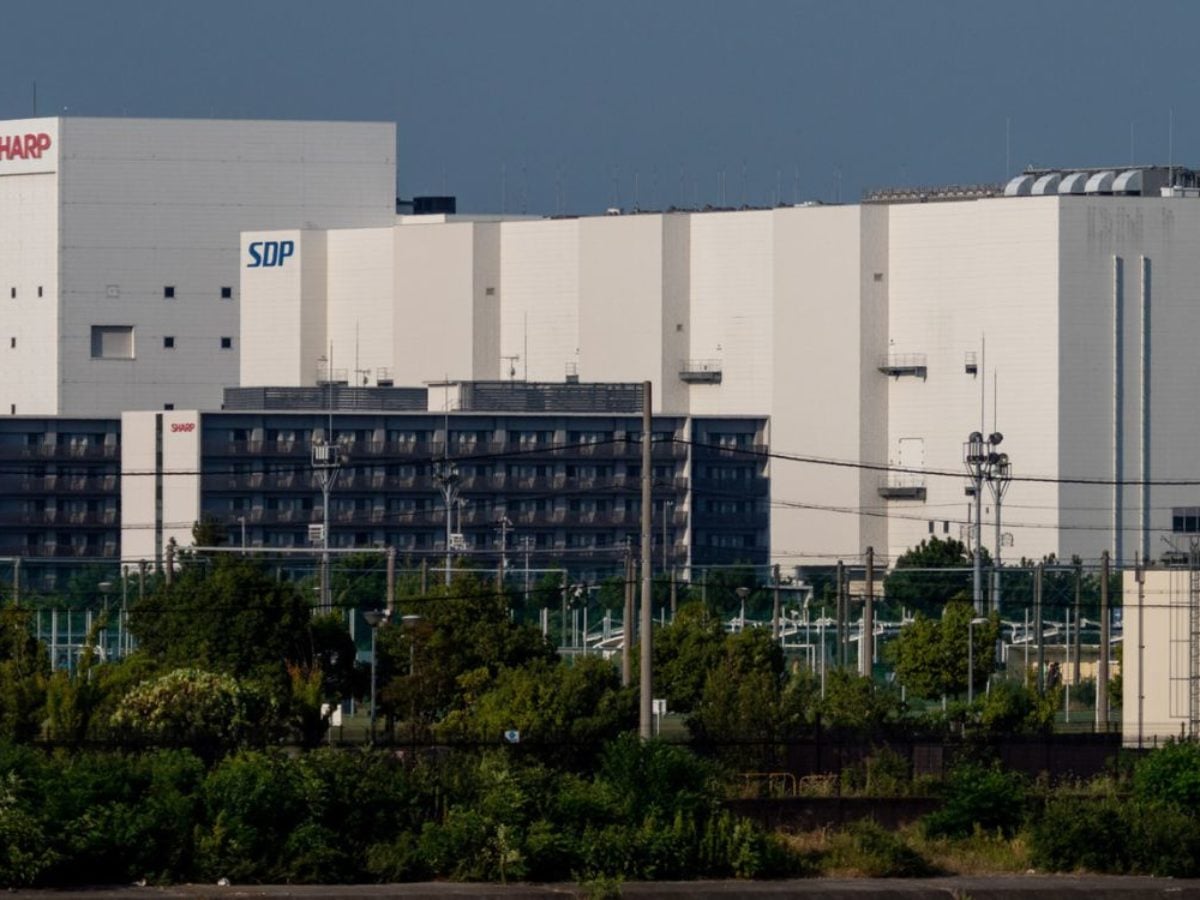
Okay, let's go back a bit. Large LCD panels for TVs and monitors were Japan's specialty. Sharp's Sakai factory in Osaka was this massive, cutting-edge place-the first Gen-10 line in the world, cranking out huge glass sheets that turned into those giant screens. It was impressive; people called it a symbol of Japanese tech prowess. JDI came along in 2012, pulling together bits from Sony, Toshiba, and Hitachi to focus on smaller and mid-size LCD panels, but they got huge with Apple orders. At one point, they were shipping hundreds of millions of LCD panels for iPhones, grabbing a massive chunk of that market.
But man, things shifted fast. By 2025, making large LCD panels profitably? It's just not happening for Japan. The main culprit is the price war from China. Companies like BOE and TCL CSOT built these enormous factories and pumped out LCD panels at rock-bottom prices. Panel costs dropped like a stone-sometimes halving in just a couple years. Japan couldn't keep up with their higher wages, energy bills, and tougher rules on everything. Reports from places like Omdia show the whole market flooded, factories running way below capacity. Sharp and JDI ended up with piles of losses.
On top of that, what people want is changing. Sure, big TVs are still a thing, but we're not replacing them every year anymore. And tech-wise, the OLED shift is huge. OLED panels give you those perfect blacks, insane contrast, and they don't need a backlight-makes colors pop in a way LCD just can't match. Apple's decision to go all-in on OLED for 2025 iPhones was a game-changer. Data from TrendForce says OLED is pulling ahead in phone shipments, and TVs are following. Japanese companies hung onto LCD longer than most, thinking it'd stick around, but yeah... that didn't pan out. China's now holding over 75% of global LCD capacity, while Japan's slice is tiny. It's sad seeing those skilled workers, who've spent years tweaking LCD panel tech, dealing with all this uncertainty.

Sharp's Way Out: Shutting Down Sakai and Betting on Something New
Take Sharp, for example. Their Sakai factory was the last big one in Japan for TV-sized LCD panels. They wrapped up production there in 2024, even moving it up a month because losses were piling up. Chinese competitors were selling similar panels for 20-30% less, and with OLED taking over premium TVs, demand just dried up.
It hit the supply chain too-fewer panels meant TV makers scrambling, and ironically, more business for China. But Sharp didn't just close the doors and walk away. They're repurposing the place in a pretty cool way. Parts of the Sakai site got sold to SoftBank and others for giant AI data centers. Imagine: those super-clean rooms where workers in bunny suits handled delicate LCD glass are now filling up with server racks for training AI models. Starting in 2026, with massive power draws-hundreds of megawatts. It's a total shift from displays to computing power.
They also passed off another plant to Foxconn, their parent company, so no more making their own panels in-house. Instead, focusing on stuff like car displays and VR screens, using tech like IGZO for better performance in smaller formats. Cars need tough LCD or emerging displays that handle heat and vibrations-Japan's good at that precision. Sure, losing large LCD revenue hurts a lot, but mixing in AI infrastructure and other bets might help them bounce back. It's pragmatic, you know? Adapting to what's hot now.

JDI's Tough Fight: Closing Plants and Looking Beyond Displays
 JDI's story is even more of a grind. They were built with government help to take on Samsung in LCD panels, and for a while, Apple was their lifeline-over half their sales from iPhone screens. But as Apple moved to OLED, orders tanked. Plants like Mobara stopped certain lines, consolidating elsewhere, with big layoffs-thousands affected.
They're pushing this "Beyond Display" idea, moving away from just churning out LCD panels to things like sensors and fancy interfaces. Winning awards for car displays, partnering with American firms on advanced OLED for VR. Selling off assets too, maybe for more AI land like Sharp. The car market's growing-lots of screens in dashboards now, and LCD still rules there for reliability. JDI's high-quality stuff could fit nicely. But honestly, with ongoing losses and debt, it's uphill. They're aiming for profit soon, but competing against China's volume is rough. It's inspiring in a way, seeing them hang in there.
All Those Outside Pressures Adding Up: Apple, Competition, and More
And it's not just internal stuff-outside forces are relentless. Apple's full OLED move in 2025 cut ties completely with Japanese LCD suppliers. Korea bailed on large LCD earlier, leaving Japan holding the bag longer. Geopolitics, currency fluctuations, all play in. China's got the scale, subsidies, everything clustered there.
Mix tech advances like better OLED efficiency with economic hits, and it's overwhelming. Depending too much on one big customer like Apple? Risky move, as it turns out.
At the end of the day, Sharp and JDI turning away from large LCD panels isn't because Japan's lost its tech edge-they're still strong in precise stuff for cars or medical screens. It's more that the old way of doing business doesn't fit anymore in this fast-changing world. Niches like automotive displays, VR, even AI facilities offer new paths.
For everyday folks like us, it means cheaper TVs, better phone screens down the line. But yeah, it's bittersweet thinking about those quiet factories. Change happens, right? You've got to roll with it. What do you think-excited for more OLED stuff, or nostalgic for the LCD days? Share in the comments; I'd love to hear your stories about old TVs or whatever.
Products Description
Discover Minghua Display, a leading Shenzhen-based specialist in customized LCD and OLED modules. With over a decade of expertise, we deliver high-quality, tailored display solutions for small to medium-sized applications in automotive, industrial, medical, and consumer electronics sectors.
Our strengths include:
- Fully customizable TFT LCD panels
- Capacitive/resistive touch integration
- High-brightness options
- Wide-temperature reliability
- Fast prototyping and stable mass production
We prioritize quality with ISO-certified processes, competitive pricing, and on-time delivery to help you stay ahead in a shifting market-away from large-panel volatility toward niche, high-value displays.
Whether you need bar-type screens, round displays, or specialized modules, Minghua provides reliable partnership from design to shipment. Contact us today for samples or quotes-let's bring your display vision to life!


