

The LCD panel industry has been pretty rough for the last five years-prices low, competition brutal, profits squeezed. But lately, things are starting to look up. Just this month (March 2026), the A-share panel index shot up over 8%, and big players like TCL Technology and BOE saw nice gains. Feels like the long slump might finally be ending.

How the Whole Global Picture Flipped
The LCD panel world has always been super cyclical. New tech comes in, everyone rushes to build factories, supply floods the market, prices crash, old lines shut down, repeat. Cycles used to last about five years (2005–2015), then shortened to three-ish after 2016. But since around 2023, it's not swinging as wildly anymore. TV panels bounced a little, but monitors and laptops stayed stuck at low prices.
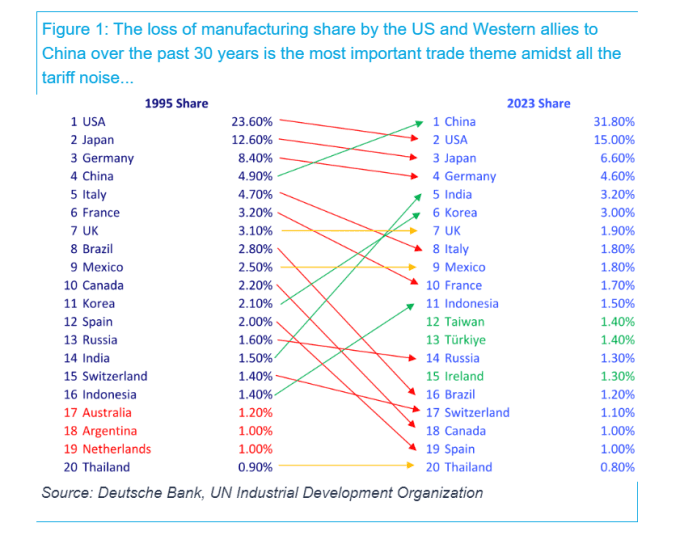
Big reason is China basically took over. Mainland companies now control something like 70–75% of global LCD capacity (and it's climbing). Japan and Korea mostly got out-sold plants or quit LCD altogether. With everything from glass substrates to LED chips made locally in China, costs dropped, competition got intense at home, and LCD panel prices just kept trending lower. That killed a lot of the old boom-bust drama.
Supply Is Finally Getting Under Control
On the supply side, a bunch of old lines closed-over 20 globally in the last decade, mostly overseas. Samsung bailed on LCD in 2022, and deals like TCL buying LG's Guangzhou plant cleared more dead weight. New factory investments slowed way down too. Capex from the big players peaked around 2018 and has been dropping since-way lower now than back then.
Right now, fab utilization sits around 80–85% for most lines-not desperate enough for price wars, but not so tight that orders get lost. Starting mid-2025, the big Chinese makers (BOE, TCL CSOT, HKC) really started doing "anti-involution"-cutting output on purpose, especially around holidays like Lunar New Year, to avoid flooding the market. In early 2026, we saw more of those planned cuts, and TV panel prices actually started rising a bit (some sizes up 2–6% year-to-date).

Demand Isn't Dying-It's Just Getting Bigger Screens
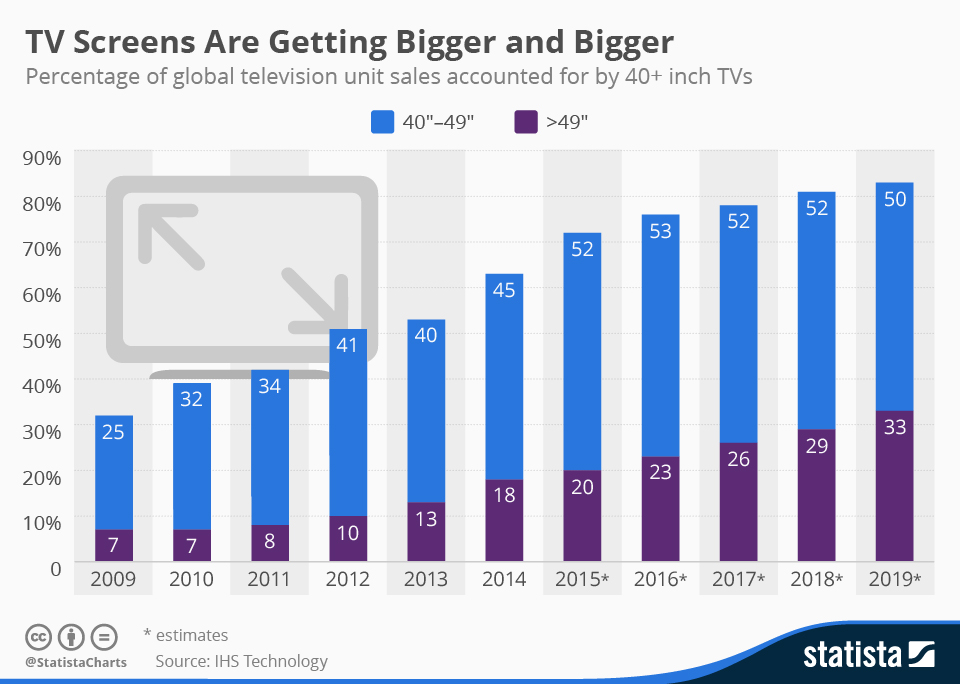
TV unit sales have been soft-people aren't rushing to buy new ones as often, thanks to longer replacement cycles and stuff like short videos stealing attention. But the screens themselves keep getting larger. Average TV size went from around 44 inches in 2017 to over 53 inches recently, and that trend isn't stopping. Even if fewer TVs sell, the total panel area shipped keeps growing (some forecasts say TV display demand hits 200 million square meters in 2026 for the first time).
Bigger sizes (55", 65"+) drive more panel demand overall. Plus, other uses like car displays and commercial screens add steady volume. So even with some weakness in small/medium sizes, large LCD TV panels are holding up and pushing prices higher in 2026.
It's Basically a Duopoly Now-BOE and TCL in Charge
At this point, it's really down to China's top two: BOE with ~35% of large-size panels, TCL CSOT around 15%-over 50% combined. No one's building huge new capacity to crash the party anymore. The old days of everyone undercutting prices to death seem over. Instead, they're coordinating cuts when needed to keep margins healthy.
LCD still rules for TVs, monitors, laptops-large-size LCD panels ship way more volume than OLED (hundreds of millions vs. tens of millions). OLED looks great for premium stuff (better blacks, flexible), but it's expensive and has lifespan issues for big screens. MicroLED sounds amazing on paper (super bright, efficient), but it's nowhere near mass production yet. So LCD is sticking around as the main choice for years.

Profits Should Get Easier-Less Drag from Old Costs
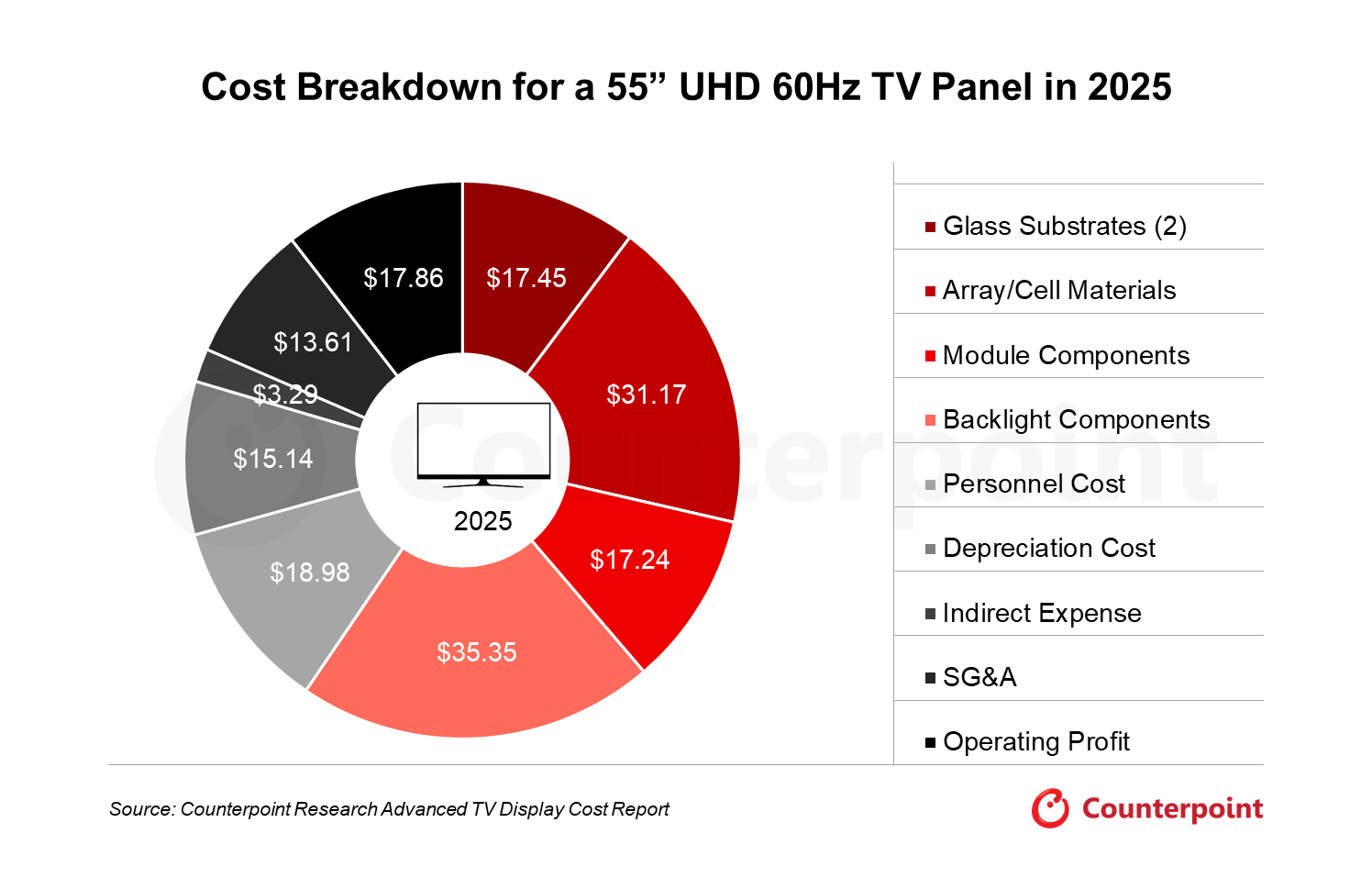
For BOE and TCL, the heavy capex from early big expansions is mostly done. A lot of older lines (like 8.5-gen) are fully depreciated, so that cost drag (often 20–25% of expenses) is fading. New spending is way down, meaning more free cash.
They're already sharing more with shareholders-TCL's dividends jumped big time recently. Valuations are still cheap compared to history, so as prices stabilize and margins improve, there's decent upside.
Bottom Line: Things Are Looking Healthier for LCD Panels
After five tough years, the LCD panel industry seems to be settling into something more stable. China's dominance, controlled supply, bigger-screen demand, and the big two working smarter (not harder) should mean steadier LCD panel prices, better profits, and fewer crazy swings. There are risks-economy slows, or OLED/MicroLED surprises everyone-but right now, 2026 feels like the start of a better chapter.
At Minghua, we're all about custom LCD solutions that actually fit what you need-industrial equipment, car dashboards, medical gear, consumer gadgets, whatever. We handle everything from design tweaks to full custom panels, with solid quality, quick turnaround, and prices that make sense. If you're working on a display project, hit us up-we'd love to help make it happen!


