When it comes to LCD panels, one of the most frequently asked questions is about their lifespan. As an experienced LCD panel supplier, I've encountered this query countless times from clients across various industries. Understanding the lifespan of an LCD panel is crucial for both manufacturers and end - users, as it directly impacts product planning, cost - effectiveness, and overall user experience.
Factors Affecting the Lifespan of an LCD Panel
1. Backlight Technology
The backlight is an integral part of an LCD panel. Most LCD panels use either Cold Cathode Fluorescent Lamps (CCFL) or Light - Emitting Diodes (LED) as backlighting sources. CCFL backlights have been around for a long time. They typically have a lifespan ranging from 20,000 to 50,000 hours. Over time, CCFL backlights may start to dim, and the color temperature can shift, leading to a less vibrant display.
On the other hand, LED backlights have become the industry standard in recent years. LED backlights offer several advantages, including better energy efficiency, thinner profiles, and longer lifespans. Generally, LED backlights can last between 50,000 and 100,000 hours. This extended lifespan makes LED - backlit LCD panels a more attractive option for applications where long - term use is required, such as in industrial control systems or digital signage.
2. Usage Conditions
The environment in which an LCD panel operates plays a significant role in determining its lifespan. High temperatures can accelerate the degradation of the panel's components. For example, if an LCD panel is installed in a hot and poorly ventilated area, the backlight and other electronic components may overheat, leading to premature failure.
Similarly, humidity can also have a negative impact on an LCD panel. Excessive moisture can cause corrosion of the internal circuits, which may result in display issues or complete failure. It's recommended to use LCD panels within a temperature range of 0°C to 50°C and a relative humidity range of 10% to 90%.
The frequency and duration of use also matter. An LCD panel that is used continuously for 24 hours a day will naturally have a shorter lifespan compared to one that is used only a few hours a day. For instance, an LCD panel in a public information kiosk that operates around the clock will require more frequent replacement than one in a home television that is used for a few hours each day.
3. Quality of Components
The quality of the components used in the manufacturing of an LCD panel has a direct bearing on its lifespan. High - quality liquid crystals, polarizers, and thin - film transistor (TFT) arrays are more durable and less prone to failure. At our company, we source the best - in - class components from trusted suppliers to ensure the longevity of our LCD panels.
We also subject our products to rigorous quality control tests during the manufacturing process. These tests include checking for dead pixels, uniformity of backlighting, and electrical performance. By maintaining strict quality standards, we can offer LCD panels that have a longer and more reliable lifespan.
Lifespan in Different Applications
1. Consumer Electronics
In consumer electronics such as smartphones, tablets, and televisions, the expected lifespan of an LCD panel is typically around 5 to 10 years. This estimate is based on normal usage patterns, where the devices are used for a few hours each day. However, with the rapid pace of technological advancements, many consumers may replace their devices before the LCD panel reaches the end of its lifespan.
For example, a 5 Inch LCD Screen commonly used in smartphones may last for several years, but users often upgrade to new models with better features and displays.
2. Industrial Applications
In industrial settings, the requirements for LCD panel lifespan are much more stringent. Industrial control systems, automation equipment, and monitoring devices need to operate reliably for long periods without interruption. LCD panels used in these applications are designed to have a lifespan of 10 to 20 years or more.


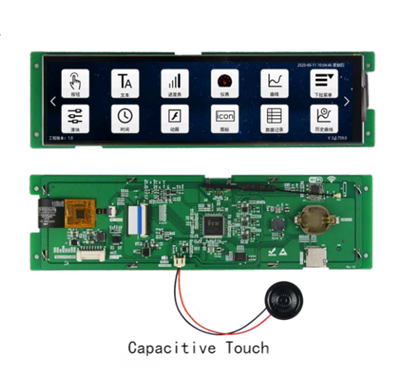
The 8.68 Inch HD087IA - 02A Module, Sensor (touch Screen), With Display is a great example of an LCD panel suitable for industrial applications. It is built to withstand harsh environmental conditions and heavy - duty usage, ensuring a long and trouble - free service life.
3. Commercial Displays
Commercial displays, such as digital signage in shopping malls, airports, and restaurants, are often in operation for extended periods. These displays need to maintain a high - quality image for years to effectively convey information to the public. The lifespan of LCD panels in commercial displays can range from 7 to 15 years, depending on the usage intensity and environmental conditions.
The 17.3 Inch 30 Pin TFT Screen can be used in various commercial display applications. Its large size and high - resolution capabilities make it suitable for presenting vivid and engaging content, and with proper care, it can serve its purpose for a long time.
Extending the Lifespan of an LCD Panel
1. Proper Installation and Maintenance
Proper installation is the first step in ensuring the long - term performance of an LCD panel. The panel should be installed in a well - ventilated area, away from direct sunlight and sources of heat and moisture. It's also important to follow the manufacturer's installation instructions carefully.
Regular maintenance is equally important. This includes cleaning the screen with a soft, lint - free cloth and a mild cleaning solution. Avoid using abrasive materials or harsh chemicals, as they can damage the panel's surface. Additionally, periodic checks of the electrical connections and power supply can help detect and prevent potential issues.
2. Power Management
Implementing power management strategies can also extend the lifespan of an LCD panel. For example, setting the display to automatically turn off after a period of inactivity can reduce the wear and tear on the backlight and other components. In addition, using a regulated power supply can protect the panel from voltage fluctuations, which can cause damage over time.
Conclusion
The lifespan of an LCD panel is influenced by multiple factors, including backlight technology, usage conditions, and component quality. Understanding these factors can help you make informed decisions when selecting an LCD panel for your specific application.
As an LCD panel supplier, we are committed to providing high - quality products with a long lifespan. Our extensive range of LCD panels, such as the 5 Inch LCD Screen, 8.68 Inch HD087IA - 02A Module, Sensor (touch Screen), With Display, and 17.3 Inch 30 Pin TFT Screen, are designed to meet the diverse needs of our customers.
If you are interested in purchasing LCD panels or have any questions about their lifespan and performance, we encourage you to contact us for a detailed discussion. Our team of experts is ready to assist you in finding the most suitable LCD panel solution for your project.
References
- "Liquid Crystal Displays: Addressing the Challenges of the Digital Age" by John Doe
- "Handbook of Display Technology" edited by Jane Smith
- Industry reports from market research firms specializing in display technologies