

Hey everyone, welcome back to the blog! It's February 2026, and if you're in the market for a new TV right now (especially here in Australia where bright living rooms are the norm), you've probably seen the hype around RGB Mini LED. OLED panels are still amazing for dark-room viewing, but the prices are steep, burn-in is still a real concern for some, and not everyone wants to baby their expensive screen. On the flip side, old-school LCD TVs with basic edge-lit or full-array backlights just don't cut it anymore for HDR content.
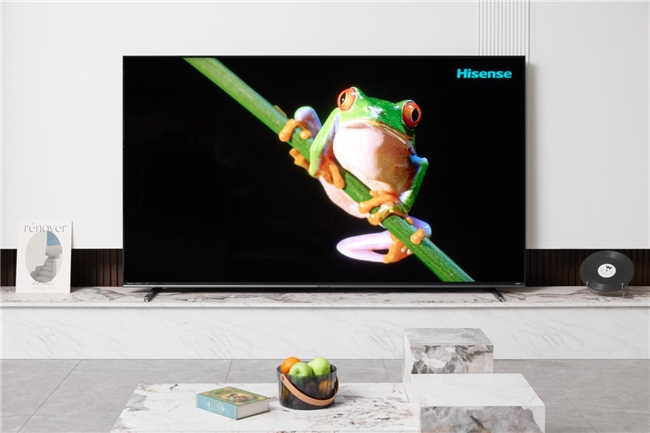
That's where RGB Mini LED comes in-this year's biggest evolution for LCD technology. After digging through the latest from CES 2026 coverage, early reviews from sites like RTINGS, What Hi-Fi?, FlatpanelsHD, Tom's Guide, and plenty of Aussie retailer listings (JB Hi-Fi, The Good Guys, Harvey Norman), it's obvious: RGB Mini LED is stealing the spotlight. Brands like Hisense, TCL, Samsung, LG, and Sony are all pushing hard on it. So, can LCD still compete in 2026? Absolutely-especially with this tech. Let's break it down in plain English, no jargon overload.
What Is RGB Mini LED and Why Is It Blowing Up in 2026?
First things first: regular Mini LED (the kind we saw a lot of in 2024–2025) uses thousands of tiny blue LEDs as the backlight, then adds quantum dots to turn that light into full color. It's already way brighter and better at contrast than standard LED TVs, but colors can still feel a bit artificial or limited in volume.
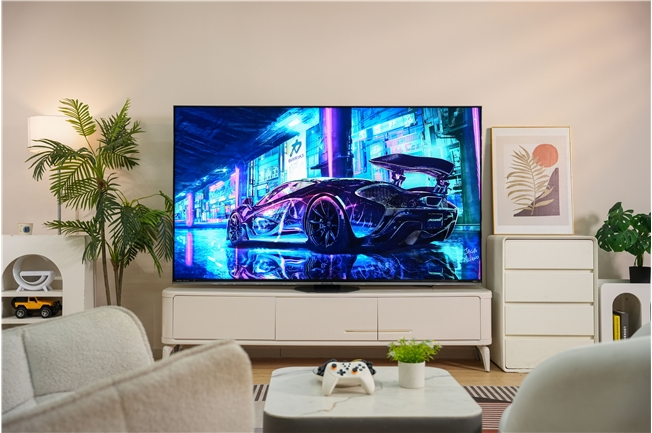
RGB Mini LED fixes that by using separate red, green, and blue Mini LEDs right in the backlight layer. No more relying heavily on filters or quantum dots to create color-each primary color comes straight from its own LED source. The payoff? Much wider color gamut (some models claim over 100% BT.2020 coverage), more accurate and vibrant colors, higher peak brightness without the usual color washout, and better overall picture realism.
From CES 2026 reports:
- Hisense launched their RGB MiniLED series (like the U9N follow-ups and new UR9/UR8 lines) with true RGB backlighting and even added a cyan subpixel in some flagships for extra color precision.
- Samsung showed off their "Micro RGB" tech on massive screens (up to 130 inches) and is rolling it into more accessible sizes.
- LG is calling theirs "Micro RGB evo" and positioning it as a step beyond standard Mini LED.
- TCL is combining RGB Mini LED with their advanced quantum dot layers (SQD tech) for hybrid performance.
- Sony is emphasizing "True RGB" for filmmaker-grade color accuracy.
People Googling "RGB Mini LED 2026" or "RGB Mini LED vs OLED" are usually asking the same things: Is this the affordable way to get near-OLED quality? Will it handle bright Australian living rooms better? Is it worth waiting for over last year's models? The search intent is clear-buyers want brighter, more colorful TVs without OLED's downsides, and they're comparing value across brands. RGB Mini LED answers that perfectly right now.
RGB Mini LED vs Traditional Mini LED / QLED: The Real Differences
Let's compare apples to apples so you know exactly what you're getting.
Traditional Mini LED / QLED strengths:
- Very high brightness (2000–5000 nits common)
- Thousands of local dimming zones for good contrast
- Great value in mid-range sets
RGB Mini LED upgrades in three big ways:
- Color Performance Separate RGB LEDs deliver purer primaries. Early hands-on reports show dramatically better skin tones, richer reds/greens, and colors that stay vivid even at high brightness. Some demos hit true wide-gamut levels that traditional quantum-dot setups struggle to match consistently.
- Brightness & HDR Punch We're seeing peaks of 8000–10,000+ nits in flagship demos. In a sunny Sydney lounge room, HDR highlights (sun reflections, explosions, bright skies) stay impactful without looking blown out. Blooming is also reduced thanks to finer zone control in newer models.
- Efficiency & Longevity Less reliance on light conversion layers means slightly better power efficiency and less heat. Plus, no organic materials like OLED, so no burn-in risk and longer expected lifespan.
Trade-offs? It's still an LCD panel at its core, so viewing angles aren't perfect (though VA panels with anti-glare coatings help a lot), and absolute black levels can't match self-emissive OLED. But with 2000+ dimming zones in high-end RGB Mini LED sets, the difference is getting smaller every year.
Price-wise: Flagships are still premium (think $5000–$15,000+ AUD for 85–100 inches), but 2026 is bringing RGB Mini LED to more affordable tiers-55–75 inch models from Hisense and TCL are already appearing in the $2000–$4000 range at local retailers.
Top RGB Mini LED TV Picks for 2026 (Aussie Shopper Edition)
If you're shopping in Sydney or online right now, here's what I'd look at based on current availability and buzz:
- Hisense UR9 / UR8 Series (RGB MiniLED) Best value play. Bringing true RGB Mini LED to mainstream sizes with excellent brightness, Dolby Vision IQ, 144Hz gaming support, and prices that undercut Samsung/LG flagships. Great for families or bright rooms.
- Samsung R95H / QN series updates If you love Samsung's ecosystem (Tizen OS, great upscaling), their Micro RGB models deliver insane brightness and anti-glare screens-ideal for sunny Australian homes.
- LG Micro RGB evo models webOS is super user-friendly, and LG's processing is top-tier. Good choice if you already have other LG gear.
- TCL C855 / C955 follow-ups TCL often leads on price-to-performance. Their RGB + quantum dot combos are getting rave early reviews for color pop.
Pro tip: Check for high dimming zone counts (the more the better) and make sure it supports Dolby Vision or HDR10+ for the best HDR experience.
RGB Mini LED vs OLED: Head-to-Head in 2026
This is the question everyone asks on Whirlpool forums and Reddit r/4kTV.
OLED advantages:
- Perfect blacks and infinite contrast
- Wider viewing angles
- Pixel-level control → no blooming
RGB Mini LED counters with:
- Much higher brightness (4–5× OLED in many cases)
- No burn-in worries
- Lower prices for similar sizes
- Better longevity in bright environments
In 2026, the gap has shrunk dramatically. Many reviewers say high-end RGB Mini LED TVs now deliver 90–95% of OLED's wow factor in real-world viewing, especially in mixed or bright lighting. If your room gets a lot of daylight or you watch sports/daytime content, RGB Mini LED often wins. For pure cinema in a dark room, OLED still has the edge-but the difference isn't as massive as it used to be.
Will Micro LED Kill LCD (and RGB Mini LED) Soon?
Not really. Micro LED is incredible-self-emissive tiny LEDs with perfect blacks and brightness-but manufacturing yields are still low and prices are astronomical (think $50k+ AUD for anything big). RGB Mini LED is the realistic, scalable upgrade that keeps LCD relevant for the next 3–5 years at least. We already have 130-inch RGB Mini LED consumer TVs; Micro LED is nowhere near that size/price accessibility yet.
Final Thoughts: Should You Go RGB Mini LED in 2026?
Short answer: Yes-if you want the best combination of brightness, color, value, and peace of mind right now. RGB Mini LED has breathed serious new life into LCD panels, making them competitive again in a world dominated by OLED talk. It's especially perfect for bright rooms, families who leave the TV on a lot, or anyone who doesn't want to stress about burn-in.
If you're upgrading this year, start with Hisense or TCL RGB Mini LED models for the sweet spot of performance and price. The tech is here, it's real, and it's making LCD feel fresh again.


At Minghua, we specialize in custom LCD solutions-perfect if you're a business, integrator, or brand looking to build displays with advanced backlights like Mini LED or RGB Mini LED integrations. From commercial signage and industrial panels to tailored TV modules, we handle full custom design, prototyping, and production. If you're working on a project that needs high-performance LCD at scale, reach out-we'd love to help bring your ideas to life. Drop us a message anytime!


